


More people are moving to North Carolina than to any other state in the country right now. From July 2024 to July 2025, North Carolina gained about 84,000 net new residents from other states, the largest domestic migration gain of any state. That tells you something real about the move they're considering. You get lower housing costs than the coasts, a strong job market, and four real seasons, but you also accept hot summers, heavy spring pollen, and a lifestyle that mostly runs on a car.
I want this guide to feel like a straight conversation, so you know what you are signing up for before you commit. If you want to talk through a specific market, you can reach our office at 919-249-8536. I also created this video, if you'd rather watch than read.
Below are the 11 things I think matter most before you make the move.
1. People Are Moving Here, and the Data Backs It Up
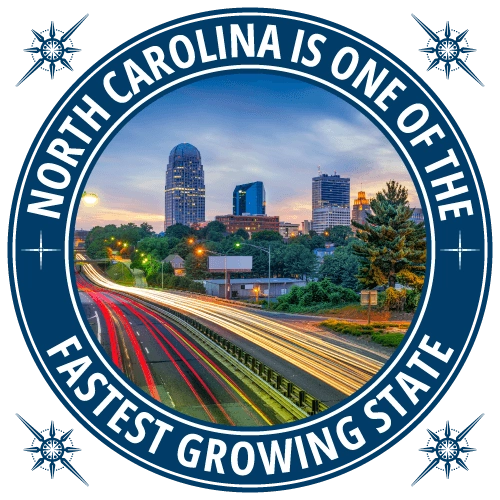 North Carolina now has about 11.2 million residents, making it the 9th-largest state. The growth is not a rumor. The state added roughly 146,000 people in a single year and has gained more than 757,000 residents since 2020. That works out to close to 400 new residents a day.
Why does this matter to you as a buyer? Demand like that keeps home values stable and brings new restaurants, employers, and services into growing areas. It also means popular suburbs can get competitive, so showing up prepared helps. When we help buyers compare neighborhoods, the fast-growing pockets tend to grow faster than people expect.
You can see where the momentum is concentrated in our look at the fastest growing cities in NC.
2. What the Cost of Living Is Really Like in North Carolina
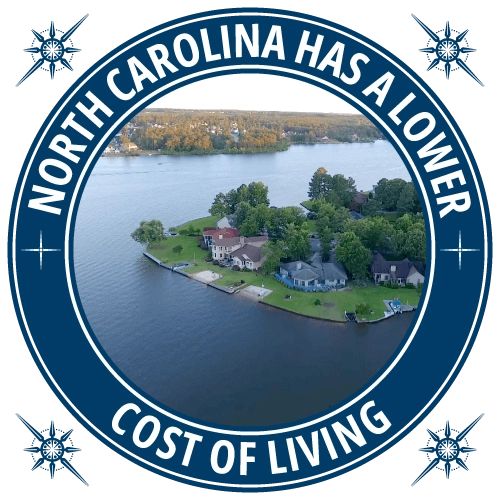 The cost of living in North Carolina sits about 4% to 6% below the national average, and housing is where most of that saving shows up. National cost indexes from US News and others place the state a few points below the U.S. baseline, with rent and home prices notably lower than in coastal metros.
The median household income in North Carolina was about $67,220 in 2024, so local budgets stretch further here than in many higher-cost states. One honest caveat matters, though. The statewide average hides a real gap between metros and small towns. Raleigh, Charlotte, and the close-in suburbs cost more than the state average, while rural counties cost much less. If you want the full picture, our North Carolina cost of living guide breaks it down by category.
Most of the people moving here are coming from higher-cost states, which is why the math feels like a relief. Here is how North Carolina compares with the largest origin states for movers.
- From California: Housing is the headline. California home prices and rents run far above the national average, so buyers often trade a smaller, pricier home for more square footage and a yard in the Triangle or Charlotte suburbs.
- From New York: You give up dense transit access. In return, you gain lower housing costs and a flat 3.99% state income tax in 2026, with no state tax on Social Security.
- From Florida: The draw is usually four distinct seasons and milder summers inland, plus home prices that compete well with those of Florida metros without the same insurance pressure.
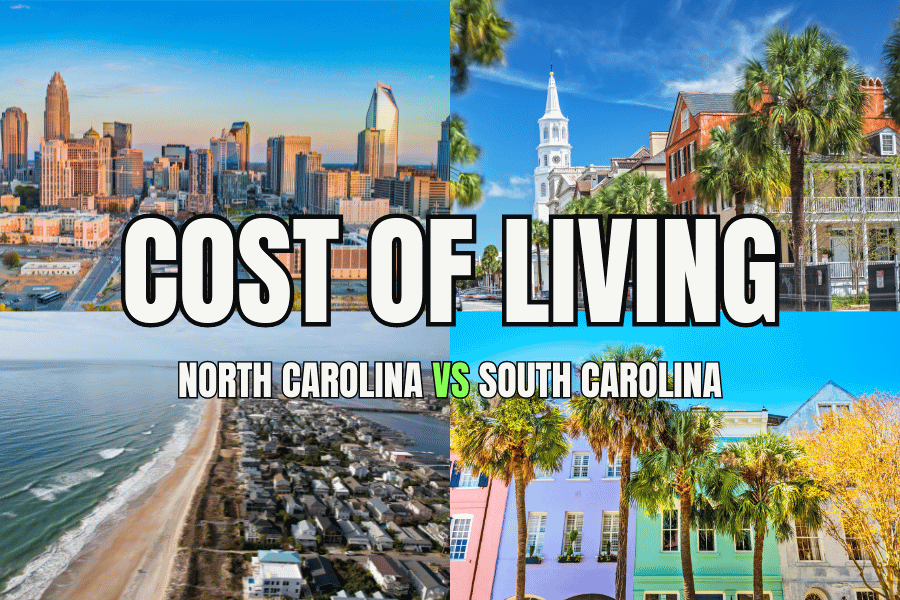
- From South Carolina: The two states are close in cost, so the decision usually comes down to jobs and metro access. Our North Carolina vs South Carolina comparison digs into the details.
I usually tell buyers to focus on the comparison of housing first, since that is where the biggest swing shows up. If you are weighing the two Carolinas specifically, our NC vs. SC cost-of-living breakdown is the place to start.
3. Home Prices and What Your Budget Actually Buys
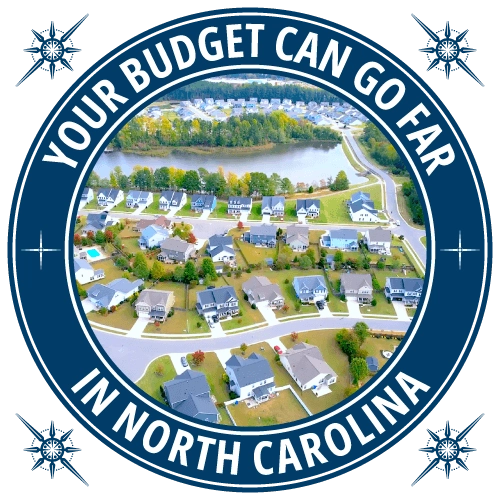 Statewide, the median home price was around $383,700 in late 2025. In the Triangle and Charlotte, well-located homes often land in the mid-to-high $400,000s. Move out to smaller towns and your dollar goes a lot further. Towns like Mount Airy and Marion, for example, both run in the low $200,000s by recent typical-value measures.
Here is the expectation I explain most often. There is no cheap, undiscovered coastal town left in North Carolina. Beach and lake areas have already been found, and metro prices have climbed with the population. I usually tell buyers to decide whether they want metro access or a lower price first, because in this state, you rarely get both in the same ZIP code. If the Triangle is on your list, our Raleigh tech boom and housing market piece explains what is driving prices, and you can browse active listings on our Raleigh homes for sale page.
4. The Job Market and Research Triangle Park
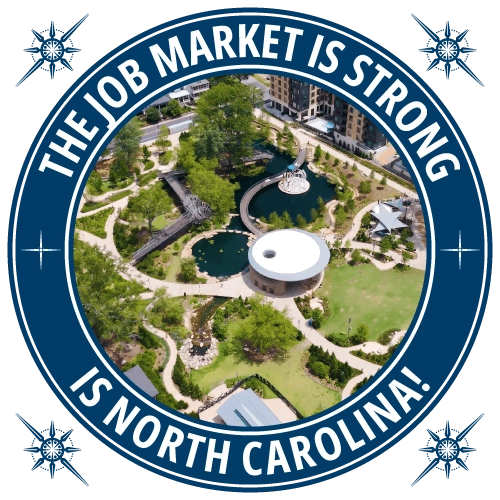 The jobs story is a big reason the migration numbers look the way they do. Research Triangle Park spans about 7,000 acres between Raleigh, Durham, and Chapel Hill and houses hundreds of companies, with Biogen alone committing a $2 billion expansion. Apple, Google, and Meta have all planted or grown operations in the region. Our overview of the Raleigh economy covers how that job growth feeds the local market.
The park sits next to three research universities, which feeds a steady pipeline of talent and startups. Charlotte tells a different but equally strong story as one of the largest banking centers in the country. Buyers relocating for work in the Triangle often start by reading our guide to the Triangle to understand how Raleigh, Durham, and Cary connect. One thing I notice on tours is that remote and hybrid workers tend to prioritize commute flexibility over a short drive, which opens up more towns than they first expect.
5. The Taxes Movers Need to Plan For
North Carolina uses a flat state income tax, and the rate droped to 3.99% in 2026. The state also does not tax Social Security benefits, which makes the math friendlier for retirees. Property taxes are reasonable too, with an effective rate near 0.62% statewide, below the national average.
Older and disabled homeowners have a few relief options worth knowing. The North Carolina property tax relief programs include a homestead exclusion for qualifying residents 65 and older or permanently disabled, a circuit breaker that caps tax as a share of income, and a separate exclusion for disabled veterans. Most of these require applying by June 1, so plan ahead. For a deeper look at how counties assess and bill, see our North Carolina property taxes guide.
6. Getting Settled: NC License, Registration, and Tag & Tax
 This is the part most relocation articles skip, and it trips up new arrivals. North Carolina gives you 60 days to get a state driver's license and to title and register your vehicle after you become a resident. The good news is that the NC DMV usually waives the written and road tests if you hold a valid out-of-state license. Here is the short checklist I share with buyers who just closed.
- Act within 60 days. You have 60 days after becoming a resident to get your NC license and to title and register your vehicle.
- Tests are usually waived. A valid out-of-state license normally means no written or road test.
- Bring the right documents. You need your current license, proof of your Social Security number, proof of address, and proof of insurance.
- Want a REAL ID? Bring two documents that prove your address instead of one.
- Plan for vehicle property tax. It is billed with your registration, not separately.
- Use the deferral if you need time. A limited registration plate lets new residents push the tax out about 60 days.
The cost surprise is that last point. North Carolina uses a program called Tag & Tax Together, which collects your annual vehicle property tax at the same time as your registration renewal. People moving from states that bill those separately are often caught off guard. If you are still organizing the move itself, our guide to relocating to another state and our change of address checklist cover the bigger picture.
7. Honest Weather and the Four Seasons
North Carolina gives you four real seasons without brutal winters. In the Triangle, January highs sit in the low 50s, and snow is occasional rather than a regular event. Summers are the trade. July highs reach the low 90s with real humidity, so July is the hottest month most years.
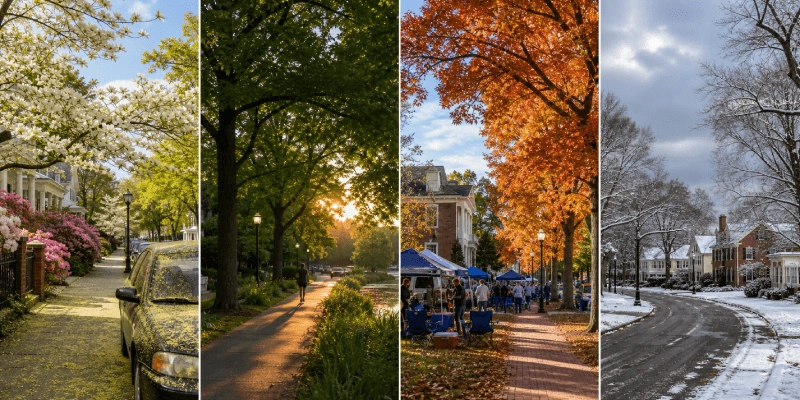
Spring is beautiful, but it comes with heavy pollen from roughly February through May, and the Raleigh area is well known for it. If anyone in your household has allergies, that season is worth planning around. Weather can also turn severe, and the mountains in the west are still recovering from Hurricane Helene in 2024, which damaged roads and infrastructure in some areas. I always tell buyers eyeing the mountains to check current road and utility conditions for the specific town.
8. Traffic, Commuting, and Getting Around
North Carolina runs on cars. Public transit exists in larger cities, but most daily life assumes you drive, which is a real adjustment for people coming from transit-heavy metros. Traffic in the Triangle has grown with the population, especially on the busier corridors at rush hour.
Relief is coming for Triangle drivers. The final piece of the Complete 540 expressway is under construction and scheduled to finish in 2028, which should ease east-west trips around the southern suburbs. Air travel is easy, too, with Raleigh-Durham International Airport setting a record of nearly 15.5 million passengers in 2024. If commute time is high on your list, start with our Raleigh commute times breakdown and our look at public transportation in Raleigh.
9. Beaches, Mountains, and the Outdoors
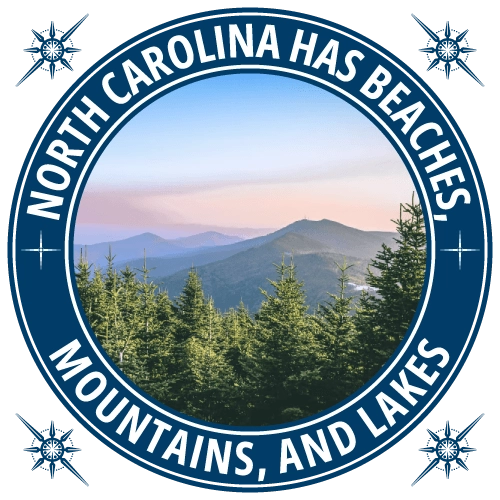 One of the best parts of living here is the geography. You can reach the coast or the mountains from much of the state in a half-day drive, which means you can plan a beach weekend or a mountain trip without a flight. The state also maintains more than 40 state parks, as well as national forests and national park sites.
From the Triangle, the beaches near Wilmington and the Crystal Coast are a reasonable drive, and the mountains around Asheville and Boone are roughly three hours west. Buyers who love the outdoors usually want both options nearby, so we put together guides to the beaches near Raleigh and the mountain towns near Raleigh to help with weekend planning.
10. Schools, Universities, and Education Options
North Carolina runs 115 local school districts and more than 200 charter schools, so families have options across public, charter, and magnet programs. School assignment is tied to where you buy, and boundaries change, so I always tell buyers to confirm current zoning directly with the district before they make an offer.
The state also has strong higher education. The North Carolina School of Science and Mathematics in Durham is a well-known public residential high school, and Duke, North Carolina State, and UNC Chapel Hill anchor the region. If schools are central to your search, our guide to the Wake County schools and our overview of the colleges in Raleigh are good starting points.
11. Picking the Right Area and Checking Safety the Smart Way
Safety is worth researching, but a single statewide number tells you very little. The smarter move is to check the specific area, since conditions vary block by block. I point buyers to local police department reporting and tools like neighborhood crime data, then I encourage them to visit at different times of day before deciding.
There is also a real difference in pace between urban and rural North Carolina. In smaller towns, some stores and restaurants close early, and a few still keep limited Sunday hours, which can feel different if you are coming from a major metro. None of that is good or bad, it just shapes daily life. Our list of the safest places to live in North Carolina can help you build a shortlist to tour.
Is Moving to North Carolina Right for You?
Moving to North Carolina makes the most sense when the core trade fits your life. You get lower housing costs than the coasts, a deep job market anchored by Research Triangle Park and Charlotte banking, friendly taxes, and easy access to both beaches and mountains. In return, you accept hot, humid summers, a heavy pollen season, and a car-first lifestyle in most areas.
If those trade-offs sound right, the next step is picking the area that matches how you want to live. That is the part we do every day, and we are glad to help you compare markets, schools, and commutes before you commit. A good first move is to start your home search with a clear budget in mind. Reach our Raleigh Realty office at 919-249-8536 or send us a note through our contact page, and we will help you find the right fit.