New - 1 Hour Ago



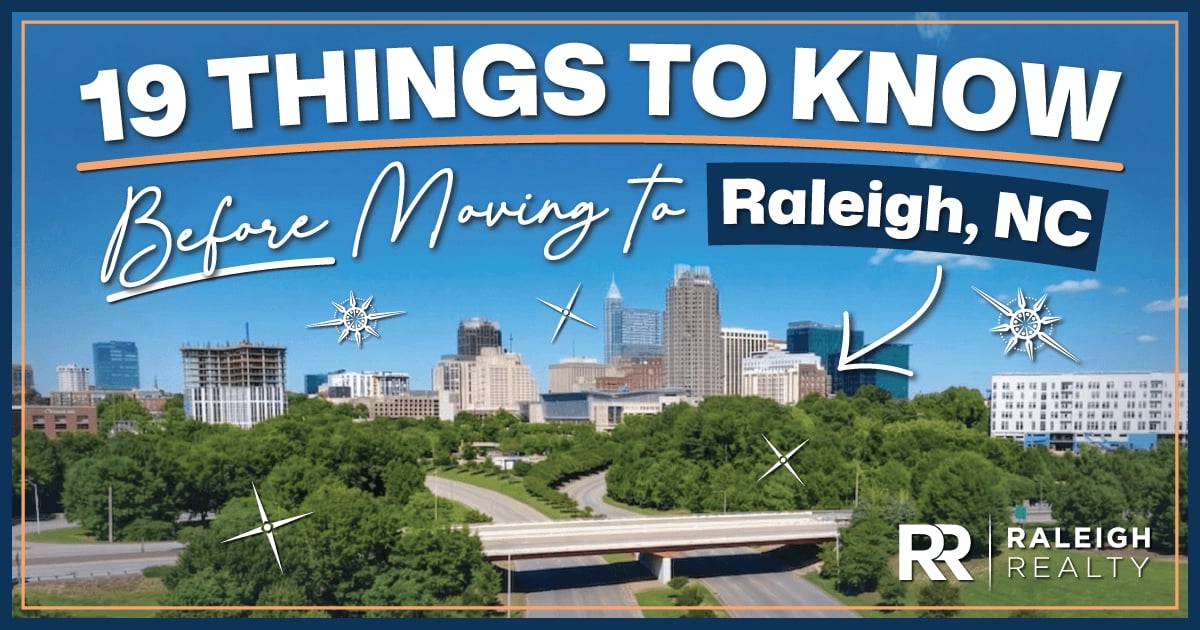
I own and operate Raleigh Realty, and I spend a lot of time helping people understand what life in Raleigh is actually like before they move here. This is my honest guide to living in Raleigh, NC, with the good parts, the annoying parts, and the details most relocation articles skip.
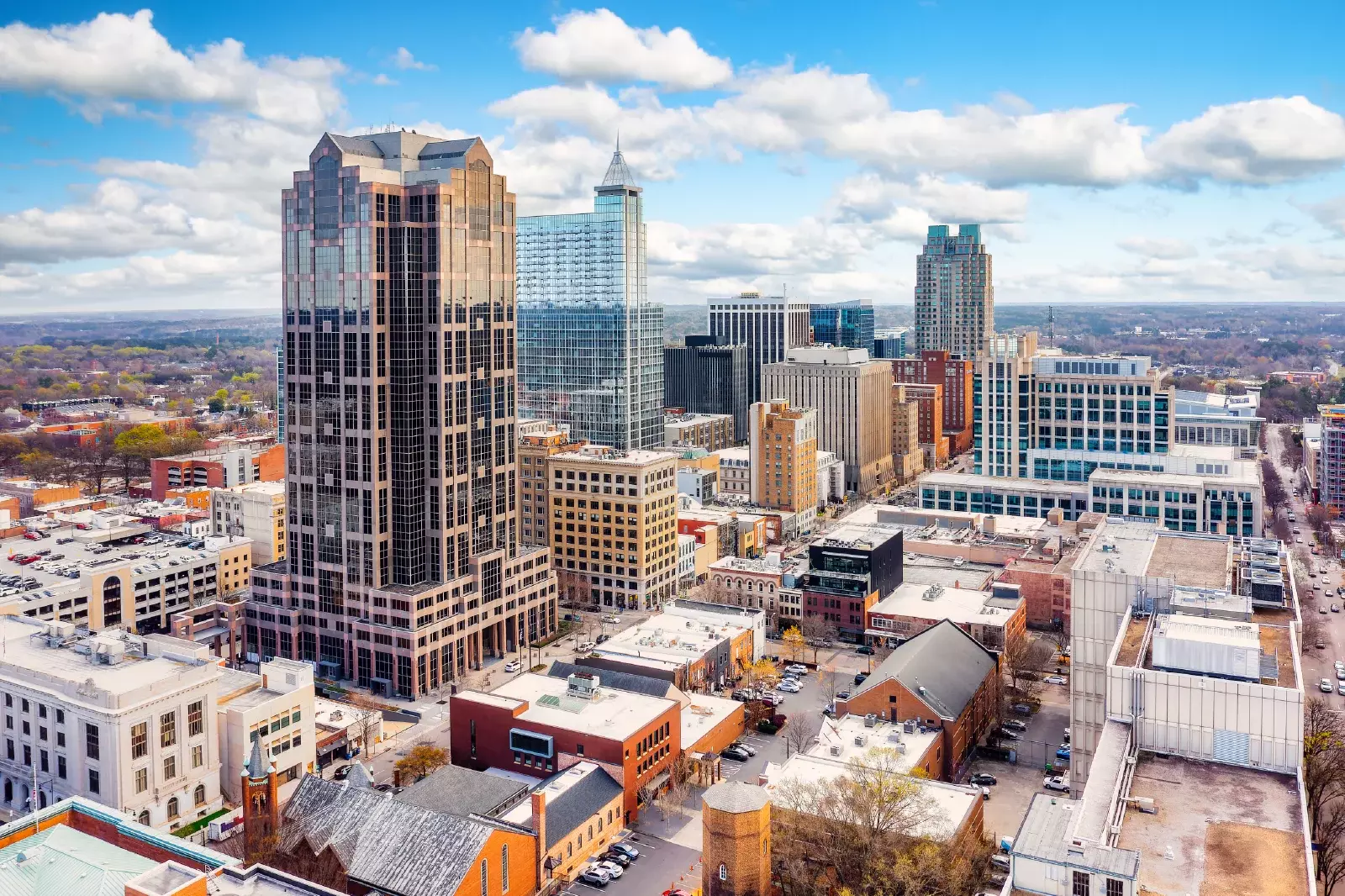
Raleigh is the capital of North Carolina and one of the main anchors of the Research Triangle. The Raleigh-Cary metro had about 1.56 million people in the 2024 ACS estimate from Census Reporter, and growth keeps reshaping the city.
So what keeps pulling people in? The short answer is jobs, schools, weather, access to the rest of North Carolina, and a cost of living that still makes sense for a metro this size. The longer answer is what I will cover below.
One of Raleigh's defining characteristics is its mix of longtime locals and newcomers. You will still find Southern hospitality, but the city is far more varied and connected than old stereotypes suggest.
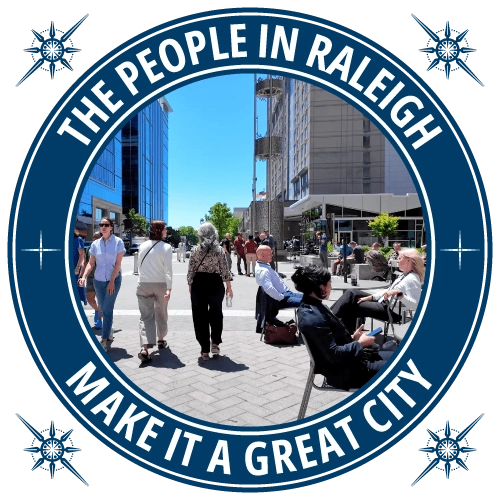 Raleigh is large enough that you are always meeting new people, but small enough that you still run into someone you know at the grocery store. That is part of the charm, and sometimes part of the comedy.
The general feel is approachable, ambitious, and optimistic. Raleigh is less intense than many coastal cities, but it is more connected to tech, healthcare, higher education, and research than many people expect before they visit.
That balance is a big reason people keep comparing Raleigh with Austin, Nashville, Charlotte, Denver, and the D.C. suburbs. Raleigh offers a strong economy without the same level of daily friction as larger metros.
Is Raleigh a good place to find a job? Yes, especially if you work in technology, healthcare, life sciences, education, research, finance, or professional services.
Research Triangle Park is one of North Carolina's largest economic engines. RTP says its 7,000 acres house hundreds of companies, including science and technology firms, government agencies, academic institutions, startups, and nonprofits.
The Triangle gets its name from Raleigh, Durham, and Chapel Hill, with NC State, Duke, and UNC Chapel Hill anchoring a huge amount of the region's research and talent pipeline.
I have worked with plenty of buyers who kept a salary from New York, California, Washington, D.C., or another higher-cost market and moved to Raleigh for a different quality of life. That has helped push demand into neighborhoods that used to feel easier to buy into.
That is the Raleigh story in one sentence. The city still feels practical, but it is no longer undiscovered.
How much does it cost to live in Raleigh? It depends on your comparison point. From the Northeast, West Coast, or D.C. metro, Raleigh can feel reasonable. From a smaller Southern or Midwestern town, prices may feel high.
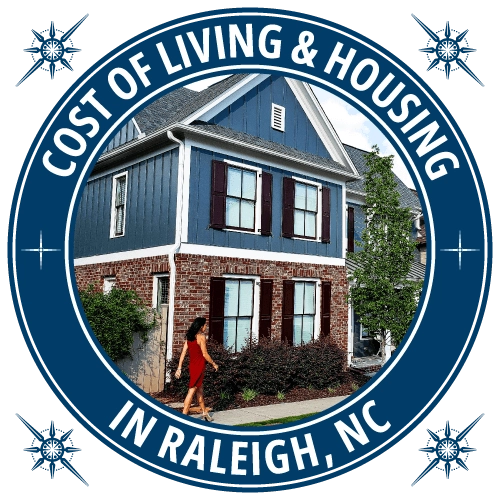 A 2024 SmartAsset study estimated that a single adult needed about $102,752 to live comfortably in Raleigh. That number will not match every household, but it gives newcomers a useful benchmark.
Raleigh housing prices vary widely by location, age, lot size, school assignment, commute route, and whether the home is inside or outside the Beltline. A home in Five Points or Historic Oakwood lives in a completely different price world than a home farther out in Garner, Clayton, or Fuquay-Varina.
That is why averages are only a starting point. If you are moving here, compare actual homes in the areas you would realistically live, not just citywide median numbers.
North Carolina property taxes often feel manageable compared with those in many Northeastern and Midwestern states. Wake County's rate structure, city taxes, fire districts, and special districts can still change your final bill, so buyers should verify the tax record for each address.
North Carolina does not tax Social Security benefits at the state level, which is one reason some buyers include Raleigh in a retirement relocation search. I would still talk with a tax professional before making a major move based solely on taxes.
Raleigh has distinct pockets, and the right one depends on how you want your daily life to work. Commute, budget, home style, walkability, schools, and yard size all matter here.
Inside the Beltline: Five Points, Historic Oakwood, Boylan Heights, and nearby central neighborhoods offer older homes, mature trees, and quick access to downtown. Prices reflect demand.
Walkable districts: North Hills and Glenwood South are well-suited for buyers who want restaurants, apartments, condos, townhomes, and entertainment close by.
Downtown and near-downtown areas: The Warehouse District, Person Street, and parts of the east side have seen major growth in restaurants, breweries, apartments, and infill.
Suburban towns: Cary, Apex, Holly Springs, Fuquay-Varina, and Wake Forest each have their own housing styles, commute patterns, and price ranges.
One thing buyers miss is that parts of northwest Raleigh sit in Durham County. That can mean different schools, taxes, services, and due diligence questions, even with a Raleigh mailing address.
We put together a full breakdown of major areas here: Best Neighborhoods in Raleigh, NC.
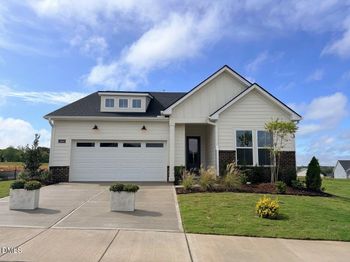
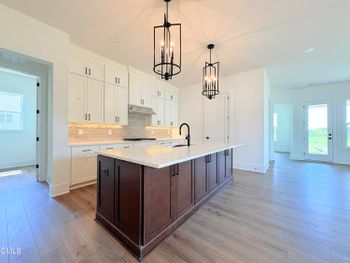


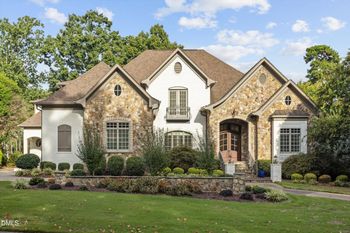


Wake County has one of the largest public school systems in the country, and school assignments often come up during Raleigh home searches.
 The Wake County Public School System serves more than 160,000 students across nearly 200 schools, according to federal district data from the National Center for Education Statistics.
The district includes traditional calendar schools, year-round schools, magnet programs, and application-based options. School assignments should always be checked by address through the Wake County school locator.
Private school tuition varies widely, so buyers should verify current tuition, admissions timelines, and commute times directly with each school.
These three universities shape the region's economy, research culture, healthcare network, and talent pool. They are one of the biggest reasons Raleigh feels different from many other cities its size.
Should you move to Raleigh, Durham, or Chapel Hill? All three share the same regional economy, but they do not feel the same day to day.
| Place | Best Known For | Housing Feel | Daily Personality |
|---|---|---|---|
| Raleigh | State capital, NC State, tech, healthcare, parks | Wide range from urban condos to suburban homes | Polished, practical, growing, and spread out |
| Durham | Duke, DPAC, American Tobacco Campus, food, music | Older homes, renovated areas, new infill, suburban edges | Creative, independent, and more eclectic |
| Chapel Hill | UNC, Franklin Street, college-town culture | Tighter geography and higher price pressure near campus | Academic, quieter, and more compact |
Raleigh is the largest and has the widest housing range. Durham has a stronger independent restaurant and music feel, anchored by Duke, DPAC, and the American Tobacco Campus. Chapel Hill revolves around UNC and has a smaller, more academic daily rhythm.
All three are close enough that people cross between them all the time. RTP sits near the middle, which is why commute routes matter so much.
 Raleigh gives you four real seasons. Spring starts early, fall can stretch into November, and winter is usually mild compared with anything north of Virginia.
July and August are hot and humid. Air conditioning is not optional, and your electric bill will remind you.
The good news is that Raleigh's outdoor season is long. The bad news is that your first August may feel personal.
Winter is usually short. Snow is rare, but ice can be a bigger problem when it happens. Raleigh does not handle frozen roads the same way a Northern city does, so a small storm can slow everything down.
Raleigh is inland, so coastal hurricane impacts usually arrive as heavy rain, wind, and isolated flooding instead of direct oceanfront conditions. Buyers should still check whether a home sits in a FEMA flood zone before making an offer.
Pollen is part of Raleigh life. In late March and April, the pine pollen can coat cars, porches, sidewalks, and patio furniture in yellow dust.
If you have never experienced a North Carolina pollen season, you will probably take a picture of it the first year. By the second year, you will just mutter and buy more allergy medicine.
Raleigh's warm, humid climate means bugs are not just a summer topic. They are part of homeownership here.
Quarterly pest control is common in Raleigh. It is not glamorous, but neither is chasing a palmetto bug across the kitchen at 11 p.m.
Ten years ago, the lazy answer was barbecue and chains. That is not the Raleigh food scene anymore.
 The city now has strong restaurants, coffee shops, breweries, food halls, bakeries, and neighborhood spots that make it feel more interesting than its old reputation.
Raleigh sits near the dividing line between Eastern and Lexington-style North Carolina barbecue. Eastern style uses vinegar-based sauce on the whole hog. Lexington style uses a tomato-vinegar blend on pork shoulder.
People have strong opinions. If you are new here, just know that barbecue debates can sound like college basketball debates with more sauce.
The Pit on West Davie is one of my favorite spots for Eastern-style food.
Raleigh is not New York or Chicago. But for a mid-sized metro, the food scene punches above what many transplants expect.
Coming from New York, Chicago, or Miami, Raleigh will feel quiet. Coming from a smaller city or suburb, you will have plenty to do on a Friday night.
Glenwood South is Raleigh's main nightlife district, with bars, restaurants, and rooftop patios packed between downtown and the Beltline. Weekends get crowded, especially in warm months.
Fayetteville Street anchors downtown with live music spots, bars, cultural events, and festivals. It is quieter than Glenwood South, but it hosts many of the city's biggest street events.
The Raleigh Beer Garden is known for its huge draft list, and Guinness World Records recognizes it as the place with the most varieties of beer on tap, commercially available.
Raleigh has nightlife, but it is not an after-hours city. If packed nightlife is a top priority, Durham may pull you some weekends, and bigger cities will still feel bigger.
 Raleigh is sometimes described as a city built inside a park. That may sound like marketing, but the parks and greenways really do shape daily life here.
The City of Raleigh maintains a large greenway system, and the trail network is one of the best quality-of-life features in the city.
Umstead State Park, between Raleigh and RDU Airport, is the local outdoor crown jewel. It provides the region with a significant natural buffer in the middle of one of the state's fastest-growing areas.
Falls Lake State Recreation Area, north of Raleigh, offers boating, fishing, paddling, trails, camping, and swimming.
Dix Park covers 308 acres just south of downtown Raleigh. The hilltop meadow has one of the best skyline views in the city.
Pullen Park is one of Raleigh's classic landmarks, with a carousel, paddle boats, a small train, playgrounds, and an aquatic center near NC State.
Lake Johnson and Shelley Lake are two of the most popular urban lakes inside the city. Their paved walking trails stay busy because they are easy to use before work, after work, or on a weekend morning.
JC Raulston Arboretum is a free 10-acre garden on NC State's campus with one of the most interesting plant collections in the region.
If you like being outside without planning a major trip, Raleigh makes that easy. You can be on a greenway, at a lake, or in a state park before you have time to overthink it.
Raleigh has an arts and museum scene that catches many newcomers by surprise. Several of the best museums are free or easy to visit without making a full day out of it.
The Martin Marietta Center houses major performing arts organizations, including the Carolina Ballet and the North Carolina Symphony. Durham's DPAC is close enough to use regularly for Broadway tours, comedy, and concerts.
Raleigh is not trying to be New York. It is better understood as a city where culture is accessible, parking is usually manageable, and you can still get home at a reasonable hour.
College athletics dominate Raleigh sports culture. If you move here without a college basketball opinion, someone will eventually assign you homework.
NC State is the Raleigh heartbeat, with football at Carter-Finley Stadium and basketball at Lenovo Center. When NC State, UNC Chapel Hill, and Duke play each other, the whole Triangle gets involved.
Raleigh does not have an NFL, NBA, or MLB team. The Carolina Panthers and Charlotte Hornets are in Charlotte, about a few hours away depending on traffic.
If your last city was Atlanta, D.C., or Los Angeles, Raleigh traffic may feel manageable. If you are coming from a smaller town, rush hour on I-440, I-40, U.S. 1, or Capital Boulevard may take some getting used to.
 Commute time depends heavily on the exact start and end points. The U.S. Census Bureau explains that commuting data comes from ACS journey-to-work questions, but buyers should use public data as background, not a substitute for testing their own route.
The morning rush is usually busiest between 7:30 and 9:00 a.m. The afternoon rush can stretch from 4:30 to 6:00 p.m., or later, along major corridors.
Parts of Raleigh are walkable. Downtown, Glenwood South, Five Points, and North Hills give you more on-foot options. The city as a whole is still car-dependent.
GoRaleigh runs the city bus system, and GoTriangle runs regional buses. Raleigh does not have light rail or a subway.
The city says Bus Rapid Transit is planned across key corridors in Wake County, with service expected to be fully operational by 2035.
Raleigh-Durham International Airport sits between Raleigh and Durham. RDU publishes its current nonstop destination list, which is worth checking if you travel often for work or family.
Most Raleigh-area buyers do not need to live right next to RDU, but airport access can be a real advantage if you fly often.
Safety questions come up in almost every relocation search. Raleigh is a large city with very different conditions by neighborhood, block, and property type, so broad claims only help so much.
Some parts of the New Bern Avenue corridor, southeast Raleigh, and blocks south or east of downtown may have more property crime than other areas. Some of these areas are changing quickly as well, which is why address-level research matters.
Cary, Apex, Holly Springs, and Wake Forest often come up when buyers compare quieter suburban options. Instead of relying on broad rankings, pull the local crime map and compare specific addresses.
Car break-ins and package theft are the issues many new homeowners notice first. Do not leave valuables visible, especially near downtown, apartment lots, parks, trailheads, and entertainment areas.
This is one of those topics where boring advice is still the right advice. Check the address, look at recent activity, and visit the area at different times of day.
 Healthcare is one of the biggest advantages of living in the Triangle. Duke, UNC, and WakeMed provide the region with a robust network of hospitals, specialists, clinics, research programs, and urgent care options.
Many popular primary care practices in Raleigh and Cary can have waitlists. If you know you are moving, start calling before you arrive.
Specialty care is where the Triangle stands out. Between Duke, UNC, and WakeMed, you can access cardiology, oncology, neurology, orthopedics, and pediatric specialists without leaving the metro.
Raleigh sits close enough to the coast and the mountains for weekend trips, but not so close that either one dominates daily life.
Leaving on a Friday afternoon and being on the sand by dinner is a real quality-of-life perk, assuming I-40 behaves itself.
October mountain trips are almost a Triangle tradition. So is underestimating how many other people had the same idea.
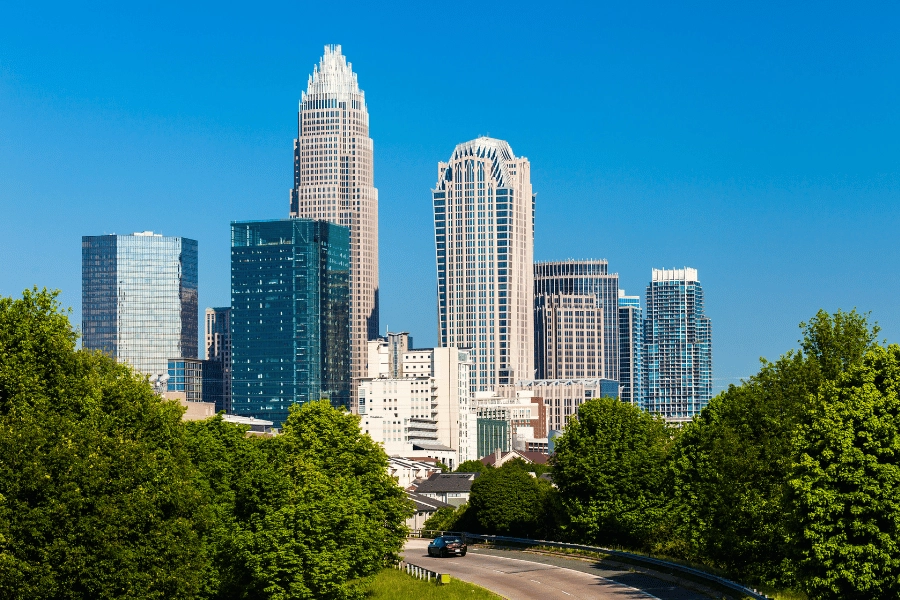
Raleigh is one of North Carolina's major growth stories. The city, suburbs, roads, and skyline all look different than they did a few years ago.
 The North Carolina Office of State Budget and Management reported that Raleigh surpassed 500,000 people in 2024, according to state demographer estimates.
Jobs, universities, healthcare, life sciences, remote work, climate, and relative affordability all play a role. These forces compound and show up in housing prices, traffic, school planning, and new construction.
New subdivisions keep pushing outward across Wake County. Holly Springs, Fuquay-Varina, Apex, Garner, Wendell, Knightdale, Rolesville, and Wake Forest all continue to absorb growth in different ways.
Infrastructure is the frustrating side of growth. Road widening, 540 expansion, interchange work, and future transit plans all matter, but they often arrive after people already feel the pressure.
That is why I tell buyers to look beyond the house. In Raleigh, the road network around the house can matter almost as much as the kitchen.
Here is the practical checklist for your first few weeks in Raleigh.
North Carolina requires new residents to handle driver's license and vehicle registration steps through the North Carolina DMV. Start early, because DMV appointments are not anyone's favorite part of moving.
You can review voter registration requirements through the North Carolina State Board of Elections.
Cary, Apex, Holly Springs, and other suburbs may have different water and sewer providers. Your agent or closing attorney can help confirm what is required for the property.
Primary care waitlists are common. Dentists and vets in fast-growing suburbs can book further out than you expect. Start calling before your move date if you can.
If you are planning a move to Raleigh, contact me. I work with people every day who are relocating to my hometown, and I would love to help you find the right neighborhood and the right home.
Our team at Raleigh Realty has helped hundreds of people relocate to Raleigh, NC, for years. We know the streets, the schools, and the neighborhood quirks that don't show up on listings. If you want a real conversation about your next move, give us a call at 919-249-8536.
Methodology and sources: This guide was updated using Raleigh Realty's local experience, current relocation questions, Raleigh-area housing context, and durable public sources, including Census Reporter, Research Triangle Park, NCES, City of Raleigh, Raleigh BRT project information, RDU Airport, and the North Carolina Office of State Budget and Management.
![17 Best Neighborhoods in Raleigh, NC [2026 Guide]](https://images.agentloft.com/rr-images/uploads/rr-migrated/blogs/August2024/E0Cjyqy5pGsC61lv5bGG.jpg)
Are you looking for the best neighborhoods in Raleigh, NC? Here are 17 great neighborhoods to call home in Raleigh! Raleigh, North Carolina's vibrant capital city, has earned its reputation as one of the fastest-growing metropolitan areas in the United States. Known as the "City of Oaks" for its majestic tree-lined streets, Raleigh offers newcomers an exceptional quality of life that balances Sou
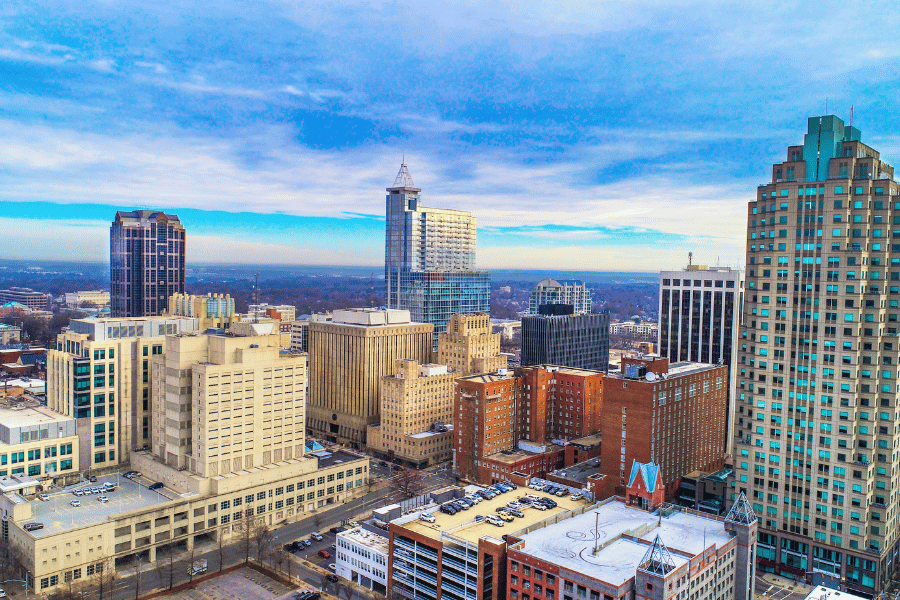
Is Raleigh, NC, a safe place to live? Here is what you need to know about Raleigh crime statistics, the safe neighborhoods in Raleigh, and how to stay safe in Raleigh. Raleigh is not only the capital of North Carolina but also a beautiful city known for its top-rated universities, historic attractions and museums, southern charm, numerous job opportunities, pleasant climate, and affordable housin
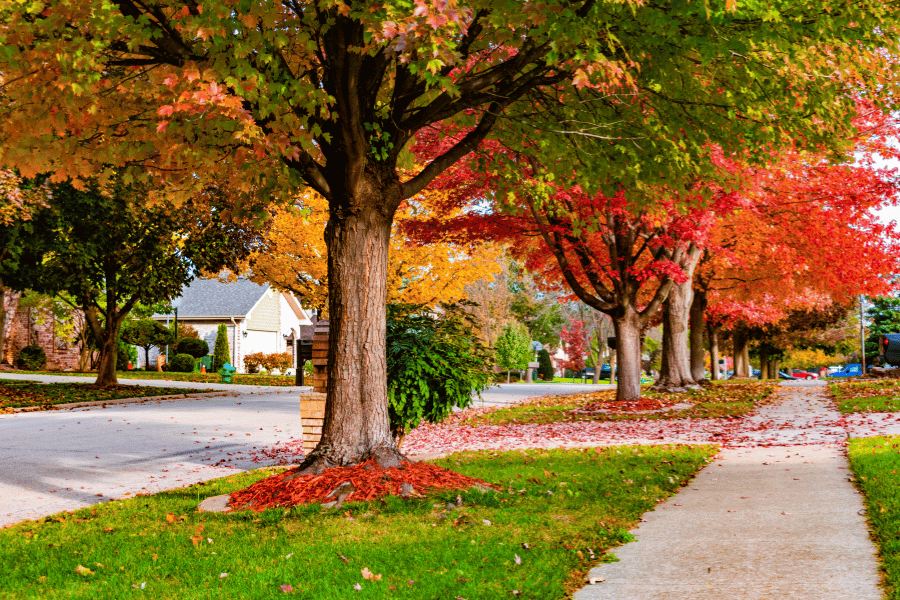
Are you searching for the most walkable neighborhoods in Raleigh, NC? Here are 10 Raleigh communities with outstanding walkability!Raleigh is the capital of North Carolina and is recognized as one of the best places to live in the country because of its high safety rating, abundance of job opportunities, and affordability. Many families choose to live in Raleigh due to its strong housing market a

Are you searching for the best neighborhood in Raleigh, NC, for young professionals? Here are ten great neighborhoods to call home in Raleigh as a young professional.Raleigh, North Carolina, is one of the best places to live in the country. U.S. News and World Report ranked it among the top 25 cities for young professionals. With a median age of 34.7, Raleigh's population centers on young profess

.png)