New - Just Now


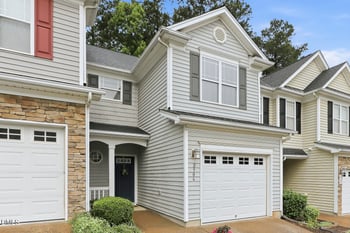

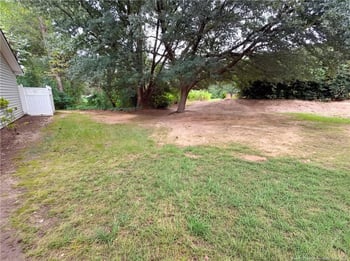


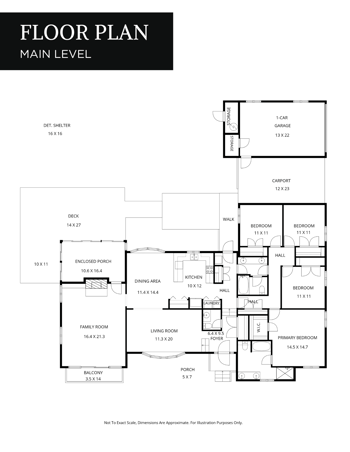
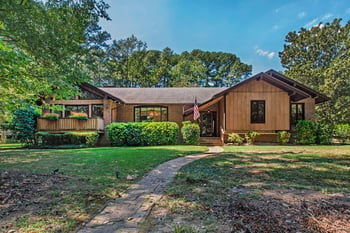


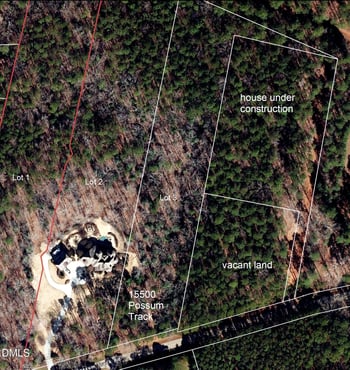
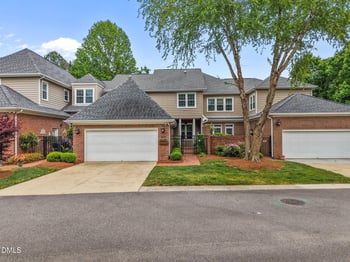
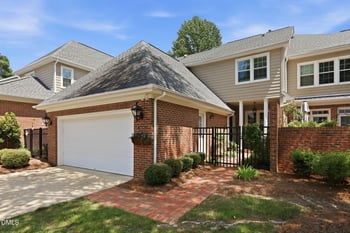

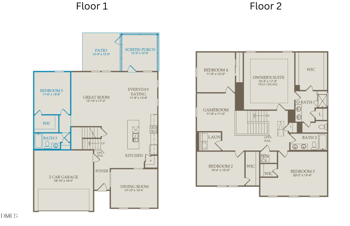
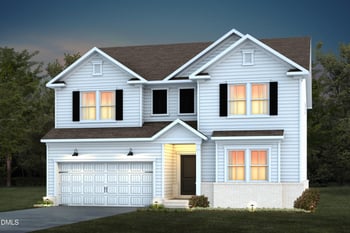

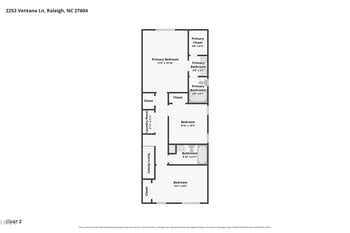
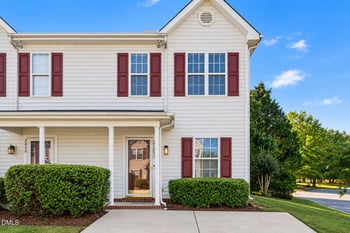
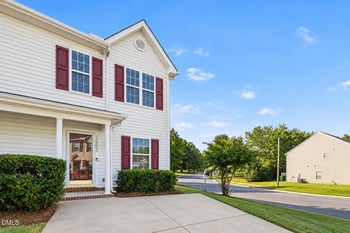
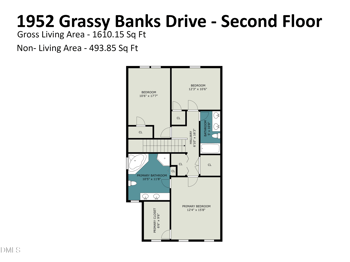
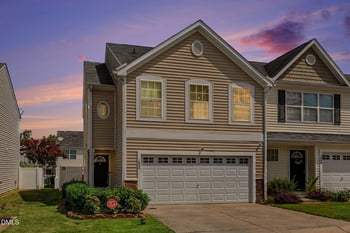

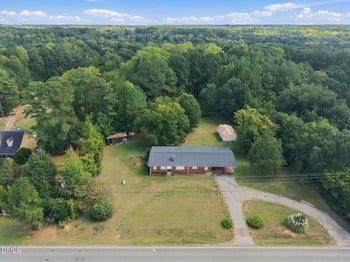
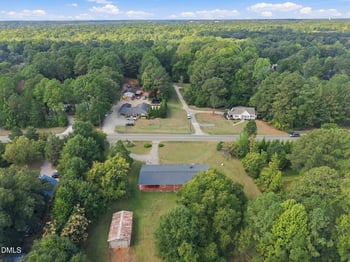
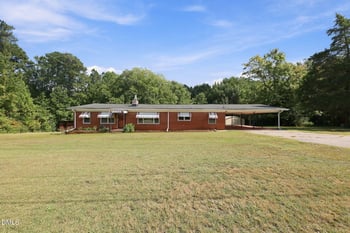
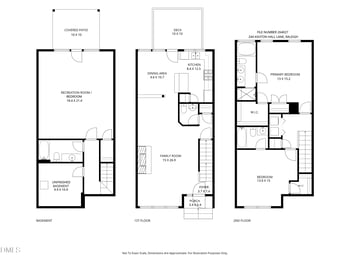
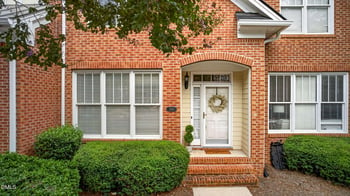
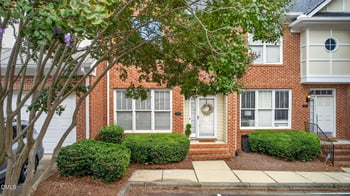
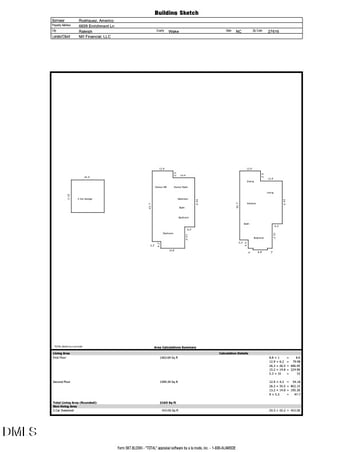
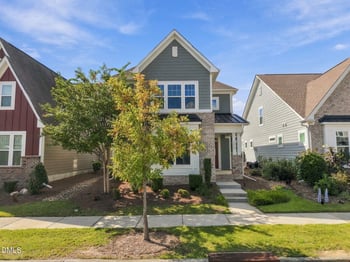
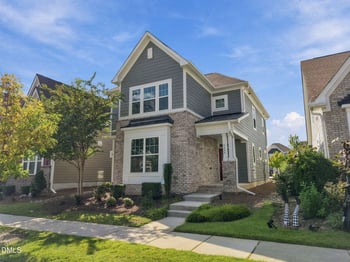
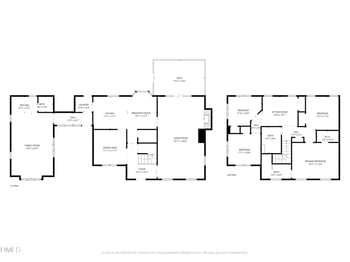
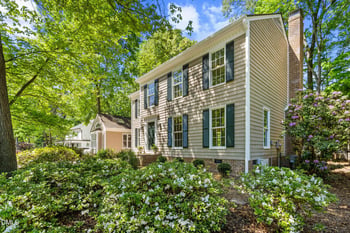
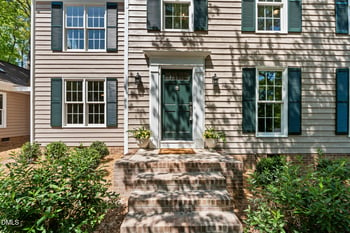
Raleigh crossed 500,000 residents for the first time in the 2025 population estimates, and the houses those people are buying were built across seven decades in five very different parts of the city. That is the thing to hold onto while you scroll the listings above. A 1958 brick ranch on a half-acre lot inside the Beltline and a 2021 townhouse in Brier Creek can carry the same asking price while asking completely different things of you as an owner. Sorting by single-family, townhomes, or new construction is usually a faster first cut than sorting by price.
Raleigh Realty is based here, and readers voted us Best Real Estate Company in Wake County in the INDY Week poll for 2024 and 2025, three years running when you count 2023. Call 919-249-8536 and we will tell you which part of the city fits the way you actually want to live.
The city passed 500,000 residents in the 2025 Census estimates, and North Carolina was among the fastest-growing states in the country over that same stretch. Buyers who come in asking about "Raleigh" are usually asking about one of five submarkets, and those five behave differently on price, lot size, and age of house.
Our rundown of Raleigh neighborhoods buyers ask about and the current Raleigh market report will save you a weekend of guessing before you set a search radius.
If you are still weighing the city against the ring around it, our comparison of the Raleigh suburbs covers what you trade away by moving out.
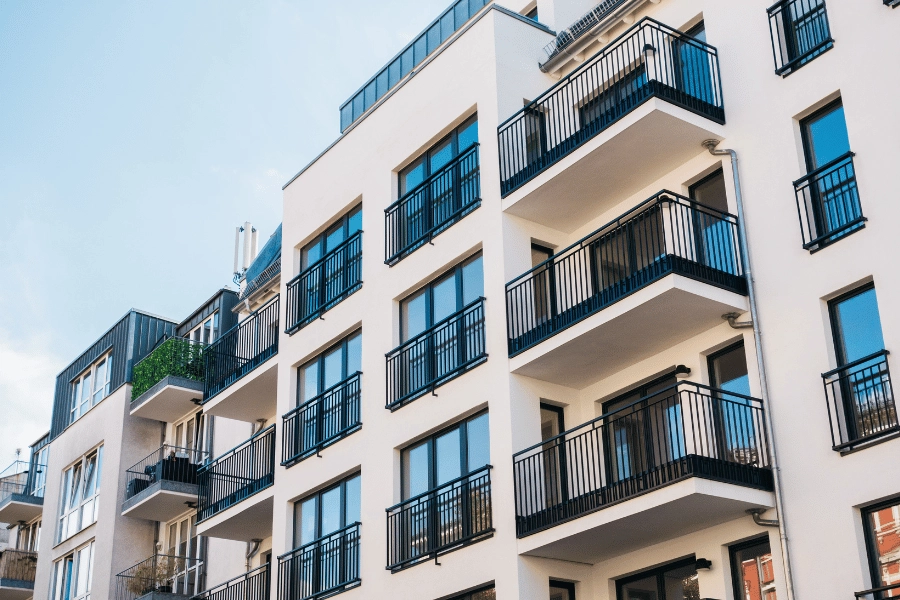
A downtown or midtown condo purchase turns on documents rather than on the unit. Ask for the association budget and the reserve study before you get attached to a floor plan. A building with thin reserves passes those costs straight through to owners in a special assessment. Parking is the second thing people miss. A deeded space, an assigned space, and a leased space in the same garage are three different assets at resale. Financing gets stricter too, and some buildings will not clear conventional or FHA condo review at all, so confirm that with your lender early. Our post on buying a condo in Raleigh walks through the rest, and the current condo inventory is easy to scan by building.
Raleigh adopted text change TC-5-20 in 2021 and a follow-up in 2022, which together removed the units-per-acre density limit in every residential district except R-1 and expanded where duplexes and townhouses are allowed. Lot size, setbacks, and height now decide what fits. In practice that means an older single-family street inside the Beltline or near a future transit corridor can absorb a duplex or a small townhouse row where a single house came down. The City's own missing middle explainer lays out the rules, and I usually tell buyers to look up the zoning on the vacant or tired lots within sight of the house they love. Our overview of Raleigh zoning covers how to read the designation, and teardown value explains why some 1,300-square-foot houses trade like land.
Wake County reappraised all real property at 100% of fair market value as of January 1, 2024, which reset the assessed value on every house in Raleigh. Your bill combines the county rate with the City of Raleigh rate, so two houses with similar assessments can still pay differently once you cross a municipal line. Pull the current owner's record on the Wake County real estate portal and use the county's tax administration page for the current rates rather than trusting the number in an old listing. Our North Carolina property tax guide explains how the bill gets built.
Raleigh drivers live on I-440, I-40, US 1, and Capital Boulevard. Which corridor you are on matters more than the mileage. Getting to Research Triangle Park or RDU from the northwest side is a different trip than from Southeast Raleigh even when the map shows the same distance. The city is also mid-build on transit. Construction is underway on the New Bern Avenue corridor, the first of four bus rapid transit lines planned across Wake County, and the northern corridor study endorsed in 2026 points at Midtown and Triangle Town Center. Drive your actual commute at the hour you would drive it. Our Raleigh commute times and public transportation posts fill in the rest.
Raleigh is served by the Wake County Public School System, the largest district in North Carolina. It assigns a base school by address and then layers magnet, year-round calendar, and application programs on top of that. Two houses on the same street can feed different schools, and assignments shift as new campuses open. Run the address through the district's enrollment tool before you narrow the search rather than after. Our post on how schools affect home values explains what that usually does to resale.
Start with our home inspection guide and the list of issues that actually matter so you can tell a negotiating point from a reason to walk.
The hard part of buying in Raleigh is not finding houses, it is deciding which version of the city you want. We show inside the Beltline, downtown, midtown, and north Raleigh every week. We can tell you which streets are absorbing infill, which condo buildings underwrite cleanly, and which 1960s houses have already had the expensive work done. Call 919-249-8536 or send us a note and we will narrow the list to three or four addresses that fit what you described. You can also meet the Raleigh agents on our team.