New - 1 Hour Ago
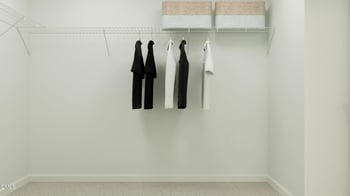
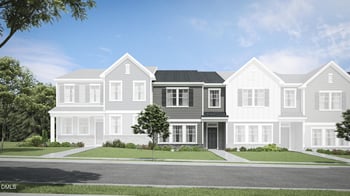
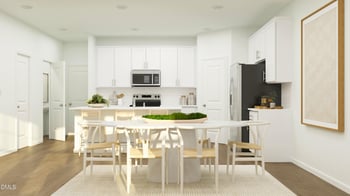
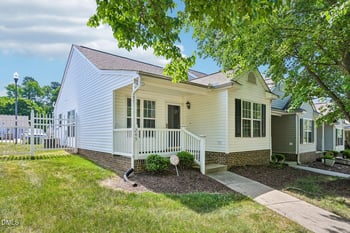
$314,990
Active
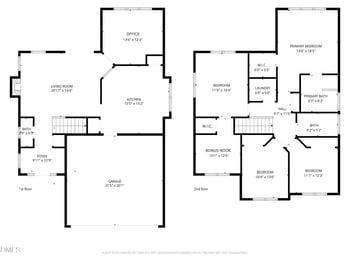
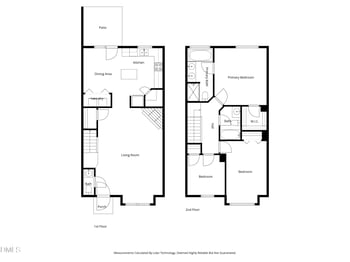
3
Beds
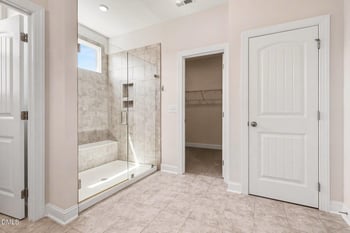
3
Baths
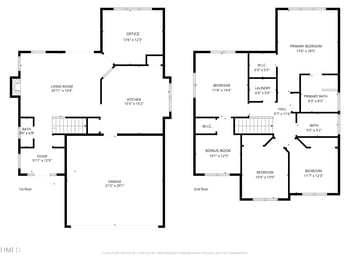
1931
Sqft
0.06
Acres
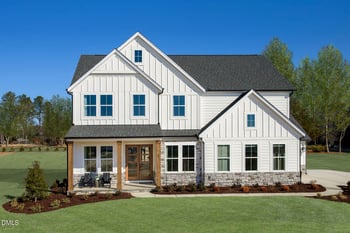
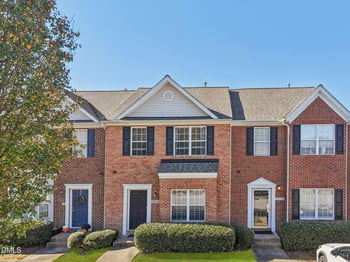
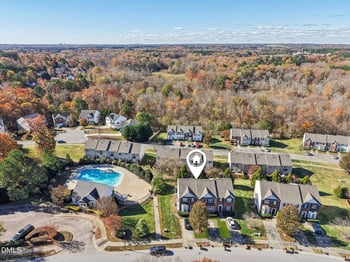
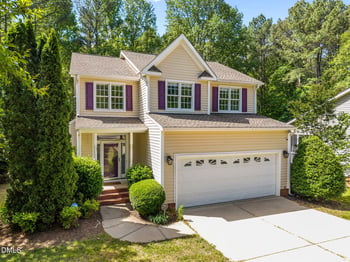
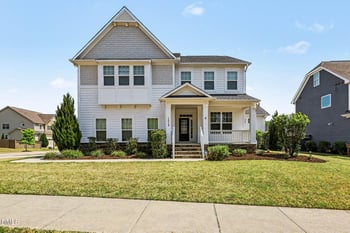
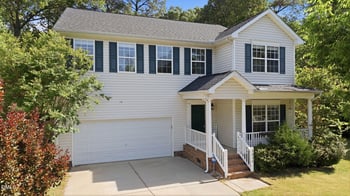
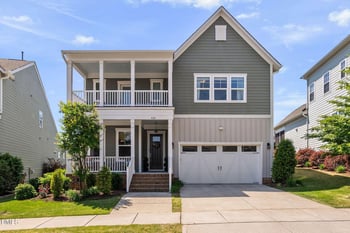
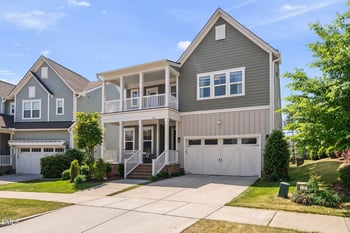
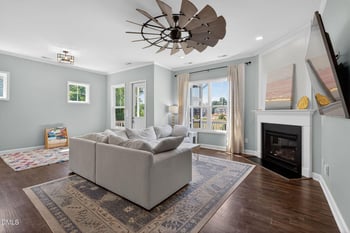
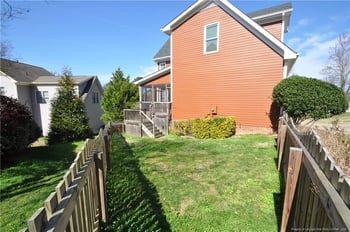
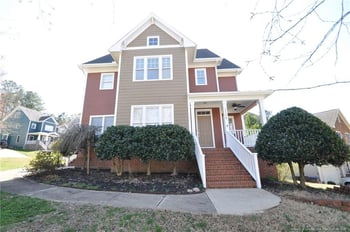
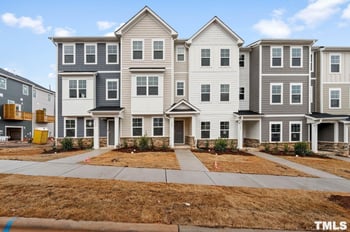
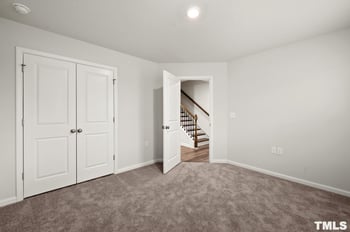
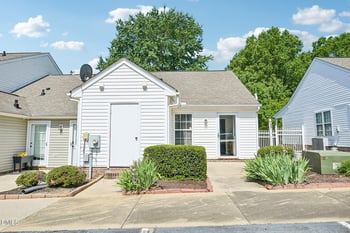
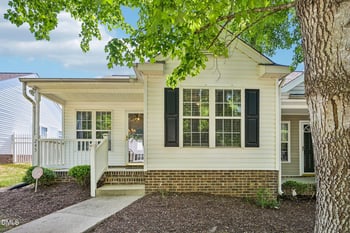
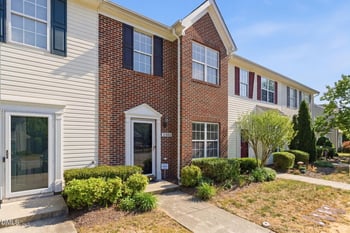
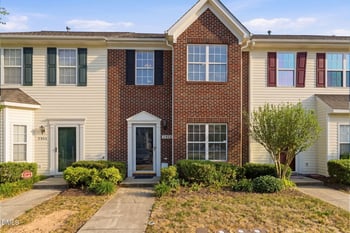
1506 Fruit Tree Ln, Wake Forest, NC 27587
MLS#: 10168121



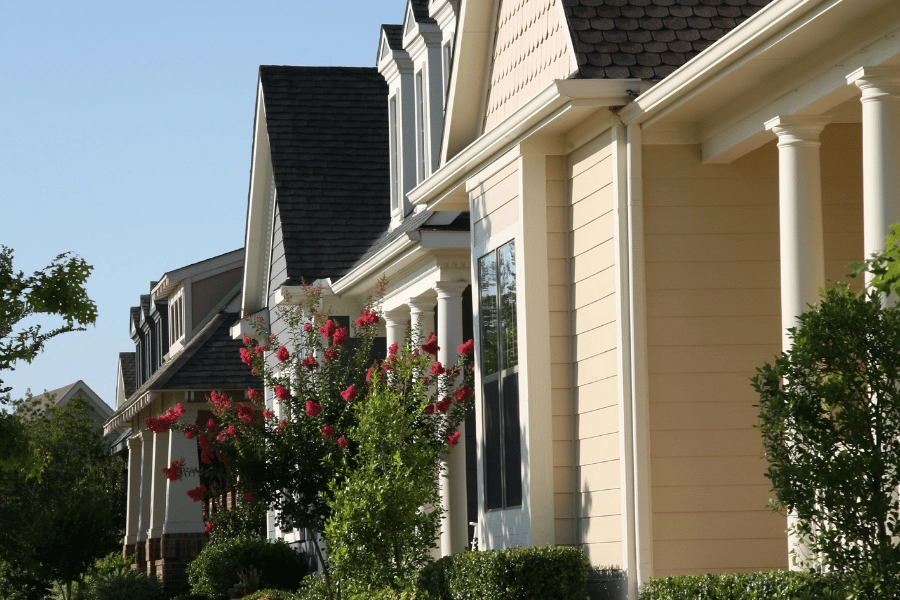
Wake Forest, NC is the Triangle's fastest-rising town right now. The population was near 25,000 in 2010 and has pushed past 58,000. People are showing up from Durham, Raleigh, New Jersey, California, and everywhere in between.
The growth tells you something important. Wake Forest used to be the small town next door to Raleigh. It's becoming a destination of its own. Buyers are catching on to what locals have known for years. You get more land without giving up Triangle access. The construction tends to be newer too. The community feel is stronger here than in central Raleigh.
Before you start touring homes here, you'll want the honest picture. This article covers 12 specific things every buyer should understand about moving to Wake Forest. Call our team at 919-249-8536 if you want to walk through your search with someone local.
Wake Forest sits right against Falls Lake on its west and north sides. That kind of access doesn't exist for the Triangle's other major suburbs. Cary and Apex are landlocked. Holly Springs has no lake of its own. Wake Forest has the 12,000-acre Falls Lake reservoir right there.
The lake is also a North Carolina State Recreation Area. You get developed access points, boat ramps, swim areas, and campsites without driving an hour. Boat launches at Holly Point and Sandling Beach are within a 15-minute drive of most Wake Forest addresses.
The other piece nobody mentions is the greenway connection. Wake Forest's neighborhood greenway trails link to each other and to the lake. You can walk from many subdivisions to a Falls Lake trailhead without crossing a major road. That's rare for a suburb of this size.
Downtown Wake Forest is small but dense with character. White Street is the main strip and runs about half a mile through the historic district. The whole stretch is walkable in about 15 minutes if you don't stop.
The local centerpiece is White Street Brewing Company. Across the street, you'll find Bodega for date nights, Black and White Coffee, and Page 158 Books. The seminary campus sits just east of the main strip and gives downtown its red-brick historic feel.
From April through September, Friday Night on White takes over the street. You'll find live music and food trucks along the block. Beer is available for purchase from 6 to 9 PM. It's the social event of the week for many people.
Two newer additions deserve a mention. Norse Brewing Company opened recently with food and craft beer. Lonerider Brewing's Hideout location brings a second well-known taproom into town. A planned downtown social district will let you carry drinks between participating businesses once it goes live.
South of downtown is The Factory. It's a redeveloped mini-mall with restaurants and unique shops. There's also a full ice skating rink open for public sessions and hockey. A planned food hall and Costco will both expand downtown's reach over the next few years.
When I met newcomers in Wake Forest, they are confused about the old Wake Forest University building that is now a seminary. The current Wake Forest University is in Winston-Salem, about two hours west of here. The original university was founded here in Wake Forest in 1834.
The Reynolds family, of Reynolds tobacco, funded a move to Winston-Salem in 1956. The town kept the name of Wake Forest, but so did the old university. The old campus is now the Southeastern Baptist Theological Seminary. This often confuses people.
For buyers, what matters is the downtown character. The seminary brings students and faculty into town year-round. Many people bring their families with them. It also helps preserve the historic campus buildings. Several of the older brick buildings in downtown are tied to the seminary.
Locals are quick to point out the seminary's footprint. Staff at the Heritage Chick-fil-A and other downtown spots often have ties to the school. The campus also opens up walking access through one of the prettiest parts of town.
The same budget typically buys you more home in Wake Forest than in central Raleigh or Cary. This catches a lot of buyers off guard. They expect the suburb premium to make Wake Forest cheaper across the board. It does, but not in the way you'd guess.
Here's what shows up in real comparisons:
The reason for the affordability is the availability of land. Wake Forest still has farmland and undeveloped lots on its outer edges. Builders have bought up that land over the past decade to build subdivisions. Central Raleigh ran out of room years ago. New construction is rare there, and most homes have been remodeled at least once.
Wake Forest covers more ground than people realize. The town spans Wake, Franklin, and Granville Counties. Each pocket has its own feel and price profile. Here are the names that come up most in buyer conversations.
Heritage is the neighborhood buyers ask about most. It's a large master-planned subdivision with schools serving every grade level. The catch is that Heritage High School hit an enrollment cap in 2015. Overflow students get rerouted to Rolesville High. Lots tend to be smaller here, but the amenities and walkability are strong.
Wakefield is south of Wake Forest along Highway 98 and Falls of Neuse. The mailing address technically reads Raleigh, but most locals still treat it as part of Wake Forest. The area was built up in the 1990s and has more established trees than newer pockets.
Downtown and the East End historic district appeal to buyers who want walkability. Lots are smaller and homes are older. Some of the streets here are tied to the original town. A few streets behind the cemetery have an older character that buyers should explore in person.
The Granville County edge is where buyers go for acreage. Neighborhoods like Bruce Garner and Woodland Church offer one-acre lots and up. The trade-off is a different school district. The drive to downtown Wake Forest is still under 20 minutes from most addresses.


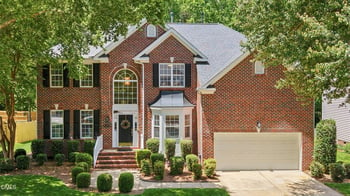
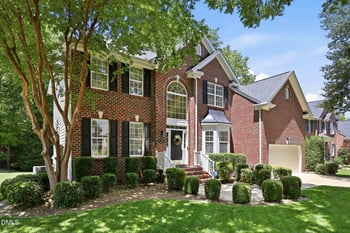
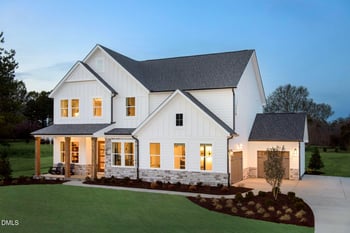
Wake Forest mostly falls inside Wake County Public Schools, one of the larger districts in North Carolina. School assignment is by address, not by neighborhood name. Always confirm zoning with WCPSS before relying on a specific school.
Elementary schools commonly serving Wake Forest addresses include:
Middle school options include Heritage Middle and Wake Forest Middle, with magnet programs available at others across the district. High school assignments split between Heritage High and Wake Forest High, with some overflow to Rolesville High. Heritage High has been on an enrollment cap since 2015 and may not accept new students from inside its base zone.
Public charter schools are another path. Franklin Academy in Wake Forest is one of the most popular and runs from elementary through high school. Envision Science Academy is another charter option with a STEM focus. Both have application processes and waitlists.
For families on the Granville County edge of town, schools are assigned through Granville County Public Schools rather than WCPSS. That's a separate enrollment process. Confirm school assignment before committing to any home outside the Wake County line.
Commute is the make-or-break question for most buyers. Wake Forest sits 20 minutes northeast of Raleigh's downtown core off-peak. Where you work changes the picture more than where you live in Wake Forest.
Here are the typical drive times from a central Wake Forest address:
Rush hour adds 15 to 30 minutes to most of those numbers. The hardest commute is to Research Triangle Park during morning peak. That route involves Capitol Boulevard and the I-540 to I-40 connector. Plan for closer to an hour each way if your office is on the west side of the Triangle.
Highway 98 is your friend for Durham. The route runs west out of Wake Forest and connects to I-540 and I-40 within minutes. Buyers near the 50 and 98 interchange have one of the better Durham commute setups in the metro.
You won't have to leave town for most weekly errands. Wake Forest has the grocery, retail, and service infrastructure of a much larger suburb. That's been a big change over the past five years.
For groceries, you'll find these options inside Wake Forest:
The big-box stores cover most household needs. Target sits near Wegmans, with Home Depot, Lowe's Hardware, and Sam's Club nearby. A Costco is coming in a few years. Locals have also been pushing for a Trader Joe's that may land soon. A new mixed-use development is planned next door to Wegmans with restaurants and shops still being announced.
For healthcare, WakeMed runs a hospital campus in Wake Forest. The town also has many smaller medical offices and urgent care centers throughout. Most residents don't have to drive into Raleigh for routine appointments.
One perk locals know about is the Wake Forest Community Center. Residents get free access to a gym with cardio equipment, plus basketball and volleyball courts. The town also runs leagues and classes out of the building, including youth programs. It's an underrated benefit of living inside town limits.
Wake Forest has more developed park acreage than most suburbs of its size. The town invested heavily in green space during the growth years. That investment shows up everywhere from walking trails to ball fields.
E. Carroll Joyner Park covers 117 acres on the north side of town. The park has paved trails, an amphitheater, a pecan grove, and old farm buildings preserved on site. The amphitheater hosts outdoor movies during warm months. Locals show up with chairs and blankets for free showings.
Flaherty Park serves the east side of town. The 100-acre property packs in a lot of amenities:
The greenway system ties everything together. Wake Forest's trail network connects directly into Raleigh's Capital Area Greenway. You can walk or bike from many Wake Forest neighborhoods straight into Raleigh without crossing a major road. Some loops run for miles inside town limits alone.
The growth story has two sides for buyers. Short term, it means traffic and construction headaches. Long term, it tends to mean rising property values and more amenities. Most buyers who've owned here for a few years are watching their equity grow faster than they expected.
Locals say Wake Forest is becoming the next Cary. The growth pattern looks similar. Cary was a quiet farm town in the 1980s. It's now one of the most expensive zip codes in North Carolina. Wake Forest is roughly where Cary was twenty years ago in its growth curve.
Builders are still active across the outer edges of town. Land along Highway 98 and the Granville border is being developed quickly. Hodges Road has seen heavy new construction, too. The earlier you buy in these phases, the more upside you typically capture as the surrounding area fills in.
Wake Forest is well-suited to buyers who want more land and newer homes than central Raleigh offers. The school options are strong, outdoor access is built into daily life, and the town is investing in long-term infrastructure. It's a worse fit for people who need walkable urban density or daily nightlife.
Wake Forest is known as the original home of Wake Forest University, which moved to Winston-Salem in 1956. Today, the town is recognized for its rapid growth in the Triangle and the Falls Lake recreation area. The downtown historic district is built around Southeastern Baptist Theological Seminary.
Yes, multiple builders are still active across Wake Forest, particularly along the outer edges of town. Newer phases tend to launch along Highway 98, Hodges Road, and the Granville County border. Inventory in established subdivisions is rare since few homes turn over.
This article draws on local knowledge from years of working with buyers across Wake Forest and the wider Triangle. Population figures come from the Town of Wake Forest and the U.S. Census. School information comes from Wake County Public Schools and Granville County Public Schools. Drive times are based on our own measurements and the North Carolina Department of Transportation project documents. Growth pattern observations are drawn from public records and our team's day-to-day market experience.
Wake Forest, NC, is one of the most interesting buyer markets in the Triangle right now. The growth has been steady, and daily amenities have caught up quickly. The investment opportunity matters for buyers considering the next five years. If you've been weighing a move, the next few years will reshape the math.
Call our team at 919-249-8536 to walk through your search. We'll talk through the neighborhoods and schools relevant to your situation. Trade-offs and pricing get a clear look, too. No pressure and no salesy tactics. Raleigh Realty has been working in the Triangle for years. We'd love to help you find the right home in Wake Forest.
![17 Best Neighborhoods in Raleigh, NC [2026 Guide]](https://images.agentloft.com/rr-images/uploads/rr-migrated/blogs/August2024/E0Cjyqy5pGsC61lv5bGG.jpg)
Are you looking for the best neighborhoods in Raleigh, NC? Here are 17 great neighborhoods to call home in Raleigh! Raleigh, North Carolina's vibrant capital city, has earned its reputation as one of the fastest-growing metropolitan areas in the United States. Known as the "City of Oaks" for its majestic tree-lined streets, Raleigh offers newcomers an exceptional quality of life that balances Sou
I own and operate one of the top real estate brokerages in Raleigh. I've spent a lot of time making this the most comprehensive guide for living in Raleigh, NC that you'll find online. I also recorded the video below if you'd rather watch than read.Raleigh is the capital of North Carolina and the anchor of the Research Triangle. About 1.5 million people live in the metro, and that number keeps gr
.png)
Are you searching for the best neighborhoods in Wake Forest, NC? Here are seven great places to live in Wake Forest! Wake Forest is a town northeast of Raleigh that has been exploding with growth over the past few years. One of the best parts of living in Wake Forest is the lively downtown area, which is filled with local shops, restaurants, breweries, and a small-town charm that will surely deli
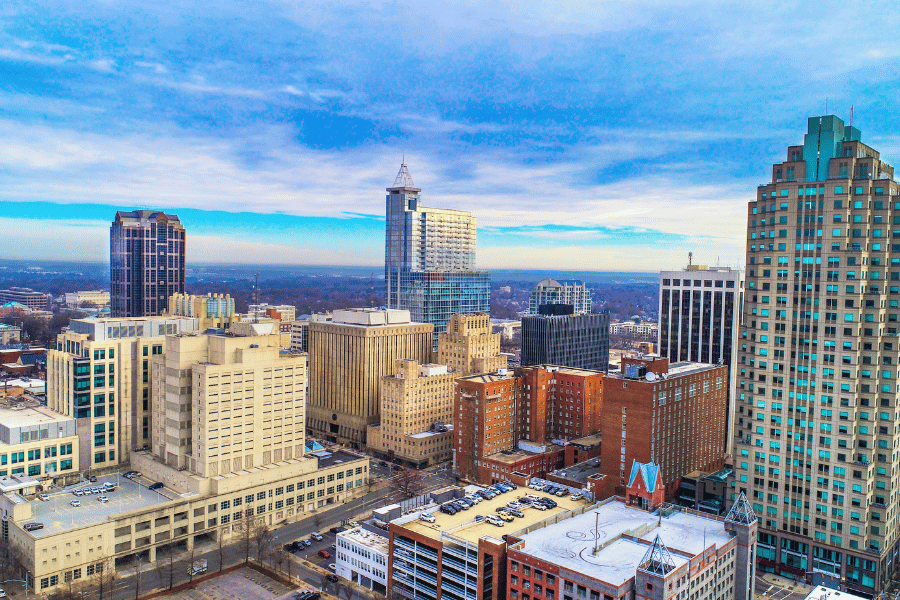
Is Raleigh, NC, a safe place to live? Here is what you need to know about Raleigh crime statistics, the safe neighborhoods in Raleigh, and how to stay safe in Raleigh. Raleigh is not only the capital of North Carolina but also a beautiful city known for its top-rated universities, historic attractions and museums, southern charm, numerous job opportunities, pleasant climate, and affordable housin



![12 Things to Know BEFORE Moving to Cary, NC [2026 Guide]](https://raleighrealty.com/rr-images/uploads/blogs/1777564727997-996302809-Moving-to-Cary-NC.png)
.png)

![15 Best Neighborhoods to Know BEFORE Moving to Apex, NC [2026]](https://raleighrealty.com/rr-images/uploads/blogs/1744406743892-807977027-Best Neighborhoods in Apex, NC.png)
![10 Things to Know BEFORE Moving to Apex, NC [2026 Guide]](https://raleighrealty.com/rr-images/uploads/blogs/1768004357685-634561262-Moving-to-Apex,-NC---Living-in-Apex.png)