


Backyard Astronomy
Astronomy can be defined as the oldest natural study and science of space and the physical universe. Dating back 5,000 years ago to early humans during the civilization of the Babylonians in Mesopotamia, was the first occurrence and documented record of astronomical observations. Transcending culture, language, religion, and even time itself, the practice of Astronomy is a continuous tradition that has intrigued humans to question the mysteries of the universe.
Statistical in nature, astronomy has many uses and is studied to learn about our solar system and life as we know it. Famous astrologer Nicolaus Copernicus in particular was the first scientist to establish that the planets rotate around the sun. Using data collected over time, the universe itself is estimated to be around 13.8 billion years old. While there still be much more to learn about space, astronomy continues to play an important role in today’s society by predicting water levels, weather, climate, and even how to prolong the survival of the human race.
The Basics of Stargazing
The act of stargazing first started off as a way to track time and navigate location. Thanks to the invention of the telescope in 1608 and the advancements of modern-day science, far away galaxies and other space objects can be analyzed and studied. While most astronomical observations include that of what can be seen with the naked eye such as stars, planets, the sun, and the moon, there are plenty of tiny particles of energy that can not be seen at all.
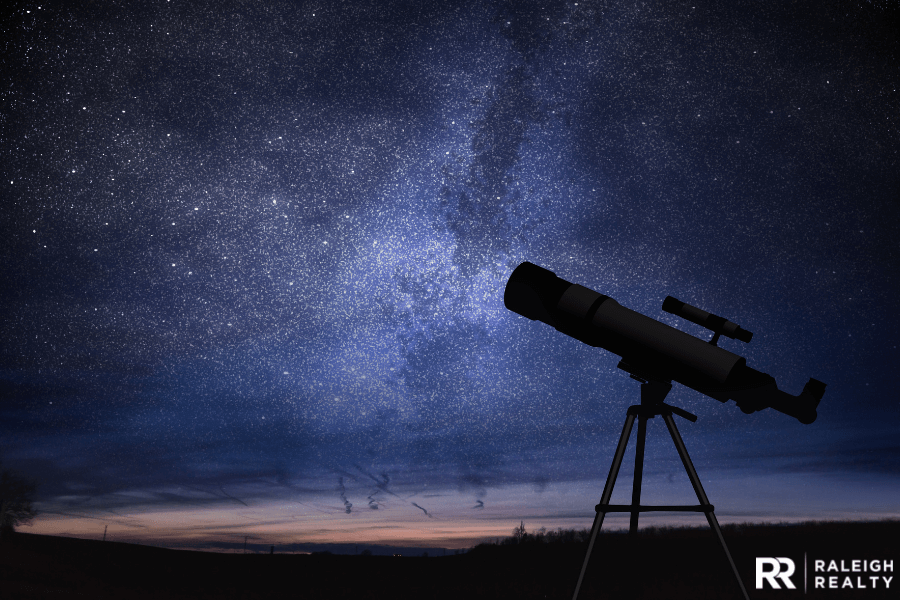
Stargazing is one of the coolest and easiest ways to practice astronomy. While it may seem intimidating, stargazing is actually a great way for beginners to learn more about space. Since there is an entire universe out there to discover, it is best to start off with the basics in order to avoid any confusion.
Here are some common terms associated with stargazing:
-
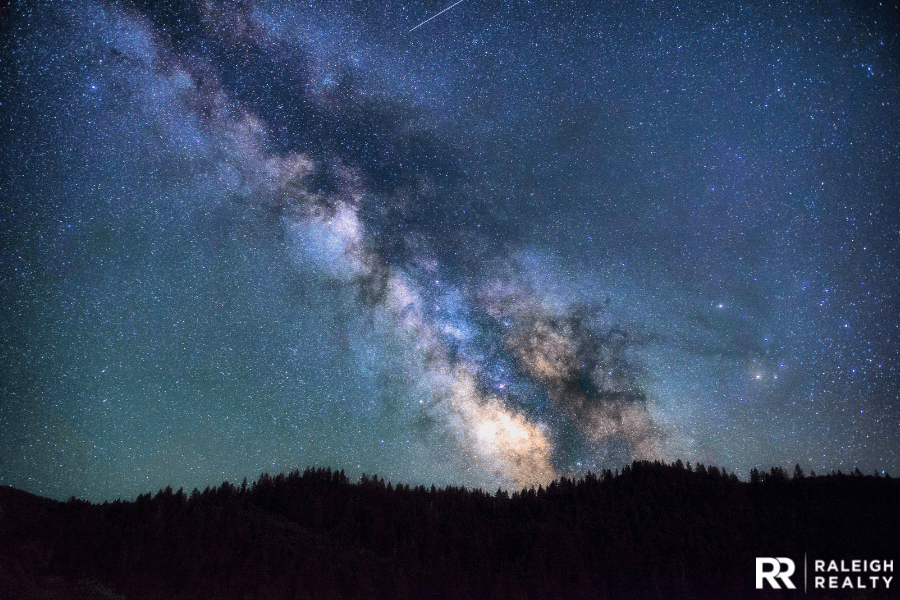
Milky Way: The galaxy containing our Sun. The constellation Sagittarius marks the direction to its center.
-
Eclipse: When one object passes through the shadow of another.
-
Black Hole: A region of space that nothing, including light, can escape from.
-
Aurora: Occurs when energized particles from the Sun react with particles from the Earth to create glows seen over the Polar regions.
-
Dust Tail: The dust left behind a comet that reflects sunlight.
-
Belts: Dark bands around certain planets including Jupiter.
-
Supernova: A massive stellar explosion that involves the destruction of a star which results in a large and sudden burst of light.
-
Orbit: The closed path of an object around another.
-
Light-year: The distance that light travels in one year.
-
Double Star: Two or more stars orbiting each other.
The first step towards stargazing is to get oriented. By learning where north, east, south, and west are from your location will allow for an easier setup and the ability to pinpoint certain stars, planets, and constellations. Since both the Sun and the Moonrise in the east and set in the west, finding the perfect position for stargazing will really depend on the time of the year and the season. Keep in mind that planets shine brighter than stars. Another thing to note is that most sky positions are measured in degrees. If you are looking for a certain object in the sky, then make sure to remember that the horizon is at 0 degrees and 90 degrees is located directly overhead.
The next step is to choose your equipment for stargazing. Ranging from basic tools to some of the most expensive and top-of-the-line telescopes, the gear that an astronomer uses will ultimately decide what objects will be seen in the night sky. While telescopes and binoculars come in many different sizes and price points, they are great to use all year round. Even though a telescope may help your eyes find constellations and nebulas, often the most reliable tool is the naked eye itself. Even though simply looking up at the sky may not provide you with up-close detail, it is still one of the cheapest and easiest ways to stargaze.
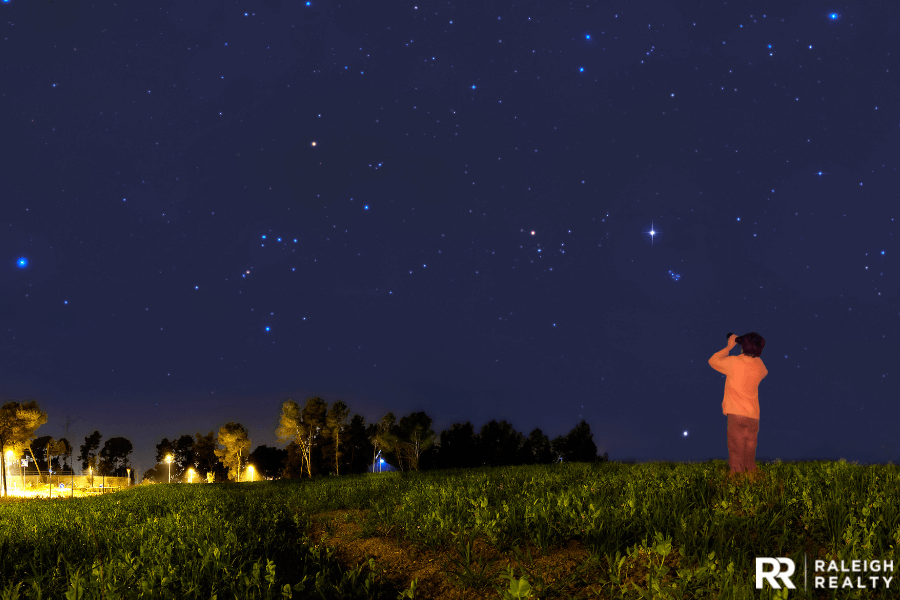
Once you have picked out equipment then it is time to find the perfect location. No matter where you live, finding a stargazing location away from the hustle and bustle of everyday life can sometimes be challenging. It is important to wait for a night that is clear and dark, while also staying away from unnecessary light pollution. Since the darkest skies provide the best stargazing opportunities, finding a dark sky preserve or national park will lead to the best results. But, simply stargazing in the backyard will also do the trick.
What can you see in the sky?
-
Solar System: Dominated by the sun, all planets, comets, planetary satellites, and debris travel in orbit around the sun.
-
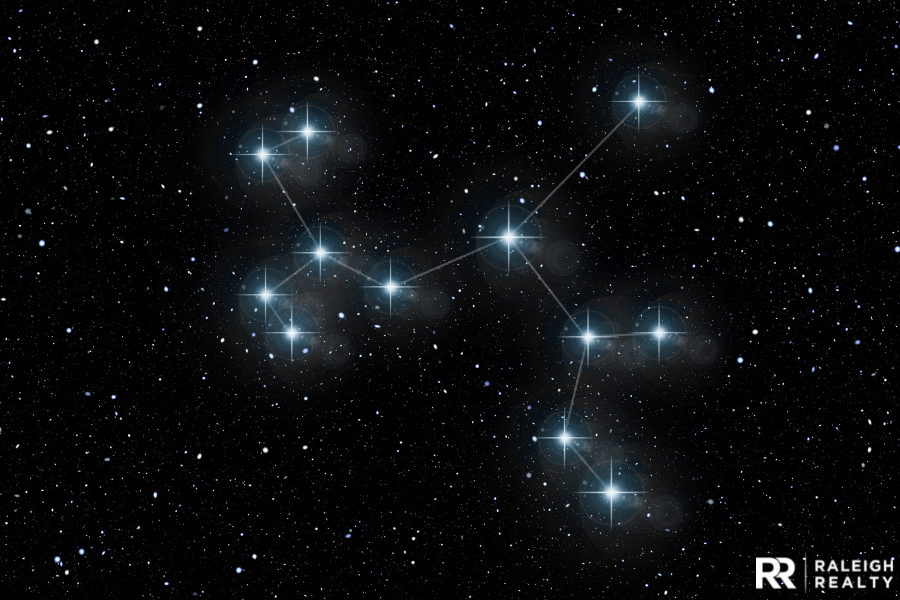
Constellations: A grouping of stars that form a shape or pattern in the sky.
-
Meteorites: A part of a large meteoroid that passes through the atmosphere and falls to the surface as a mass of metal or stone.
-
Stars: A ball of gas that creates its own light and heat due to a nuclear reaction in its center.
-
Meteors: Rock or dust burning up in the Earth’s atmosphere that creates a streak of light in the sky.
-
Galaxies: A large collection of stars, gas, and dust that can be measured in light-years.
-
Planets: A celestial body that orbits a star and is rounded by its own gravity.
-
Moon: A natural satellite that orbits a planet or small solar system body.
-
Comets: A small, frozen mass of dust and gas that orbits the sun.
-
Asteroids: A chunk of rock or “minor planet” that orbits around a star.
Getting A Better Stargazing View From Home
Stargazing from home is one of the best ways to view the night sky. In fact, the naked eye can see the galaxy up to 2.5 million light-years away. No matter if you are a beginner wanting to spot constellations for enjoyment or are interested in the mysteries of the cosmos, stargazing can be done just steps away from your backdoor.
The Impact of Light Pollution
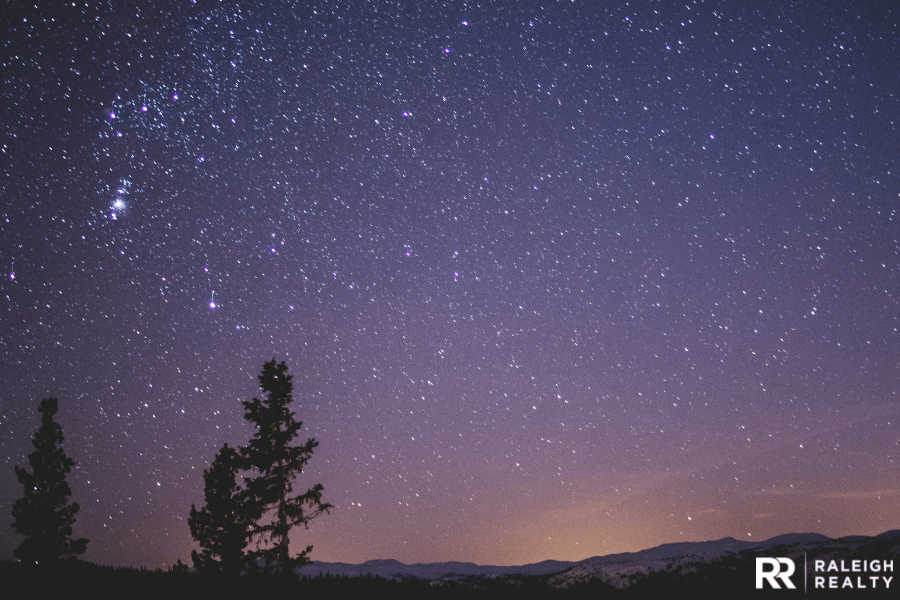
A decade ago, everyone could look up at the night sky and admire the natural beauty of the Milky Way Galaxy. Thousands of stars and constellations could be spotted each and every night no matter where you lived in the world. Unfortunately now with the constant glow of artificial light, the night sky is not as bright as it used to be.
Light pollution is not only a disruption to astronomical observations, but it can have a serious negative impact on the environment, wildlife, and climate. By disrupting ecosystems, light pollution has been shown to affect nocturnal wildlife and migratory patterns of animals. Humans are also at risk of increased stress, anxiety, headaches, and obesity due to lack of sleep and the disruption of the natural circadian rhythm. While outdoor lighting may have many benefits, it is often overly bright, inefficient, and poorly targeted.
Even though light pollution may be detrimental to the natural environment, the good news is that it is an easy fix. While the negative impact of light pollution may not be cured overnight, there are some easy things to do at home that will be a step in the right direction.
Try these five things at home:
-
Use LED light to help reduce energy.
-
Reduce the use of decorative lighting both inside and outside of the home.
-
Use motion sensors on outdoor lights.
-
Invest in light dimmers and timers.
-
Avoid blue lights at night.
Home Observatories
An observatory is normally a structure in a desirable location that features a telescope and other equipment to stargaze and observe objects in the sky. Creating and building your own observatory at home has many advantages and benefits for those interested in astronomy. Not only does an observatory provide protection from the elements, but this type of permanent structure offers a nice sense of privacy while also reducing light pollution around the home observatory itself.
Find a spot that provides a perfect view of the sky in a safe space at home. Common locations for home observatories can be found in the attic or the backyard garden and pool area. Once you decide to build the structure in the preferred location, make sure to build with sturdy materials that are well equipped for the weather. Wood is the most favored home observatory material. Design a structure that will best suit your home and remember to have fun while doing it.
Stargazing Considerations For Homeowners
It is no secret that location is important in real estate. If you are in the process of moving then you may even consider choosing your home based on your stargazing goals. It is important to keep in mind, however, that the stargazing challenges you might face will largely depend on the area, climate, barometric pressure, and cloud cover. For example, the climate and cloud cover found around homes in Raleigh will be very different from the climate and cloud cover found in other places. When looking for a new home, you may decide to lean towards new construction or to purchase land with your ideal conditions in mind. If you are moving cross country, refer to this light pollution map in order to find the perfect home for you.
Games and Activities For Kids
Sharing your love of astronomy and stargazing with your kids is a rewarding experience. No matter the age, astronomy, and stargazing is a great way to encourage your kids to explore and think abstractly. While getting outside and looking up at the night sky is a great place to start, there are also plenty of games and online resources that children can utilize to further their knowledge of space.
Check out these online activities for kids:
Apps For Kids
Not only are there stargazing games and activities available but there are now apps too that are designed with children in mind. Since these apps are child-focused, most are super simple to use and navigate. By simply pointing your phone to the sky, discover the hidden world of the cosmos and learn about the mysteries that lie among the stars.
Download these kid-friendly stargazing apps:
-
International Space Station App: Explore the night sky from the ISS while tracking when it will pass by your home.
-
Solar Walk: This 3D model of the solar system is a cool way to learn all about stars, planets, asteroids, comets, and more.
-
Sky Map: Great for beginners and professionals alike, this app is a go-to for identifying stars, planets, and constellations.
-
Pocket Universe: Learn about the moon phases and the rest of the night sky on this award-winning app.
Stargazing Apps
Designed for iPhones and Androids, choose from a wide variety of apps that will turn any stargazing beginner into a professional. Plus, since most apps are free of charge, find and identify constellations, planets, and stars, without purchasing expensive telescopes and gear. These apps are perfect for stargazing in the backyard and often come with multiple features to discover for all ages.
Download some of these best stargazing apps:
-
SkyView Lite: Track your favorite constellations as they move across the sky with the help of this app’s augmented reality interface. Available in IOS and Android.
-
NASA App: Watch live NASA events, view photos from space, and get a live view of Earth from the International Space Station.
-
Star Walk 2: Discover constellations, stars, and planets, with the help of this app’s built-in GPS. This app is free for Android but $3 for IOS.
-
Star Chart: Learn all that there is to know about the stars and planets.
Additional Astronomy Resources
-
NASA: The National Aeronautics and Space Administration is the number one resource for the solar system and beyond.
-
Sky and Telescope: All things astrology through articles, podcasts, and star maps.
-
Hubblesite: Explore images and videos from the Hubble Space Telescope.