New - Just Now


$359,500
Active
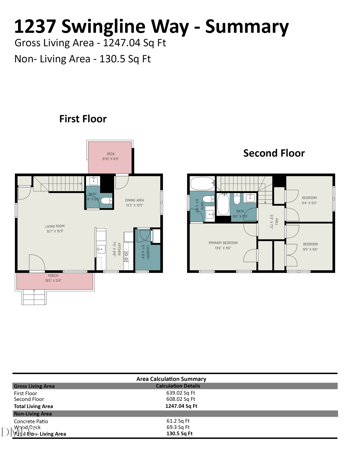
4
Beds
3
Baths
2276
Sqft
--
Acres
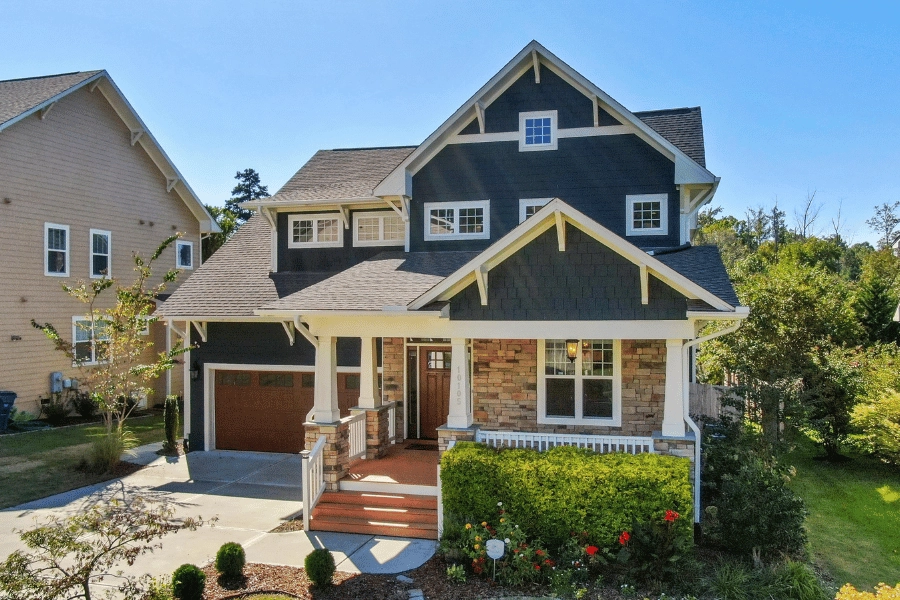
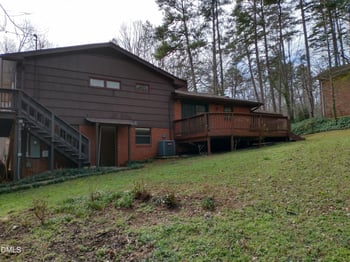
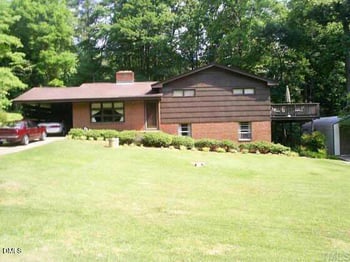
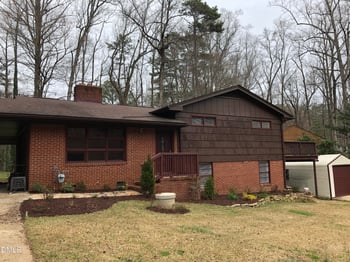
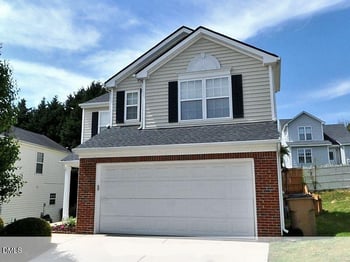
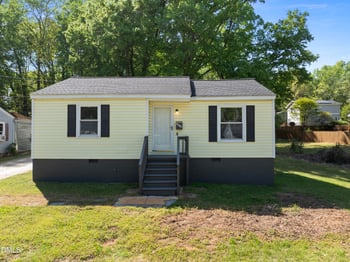
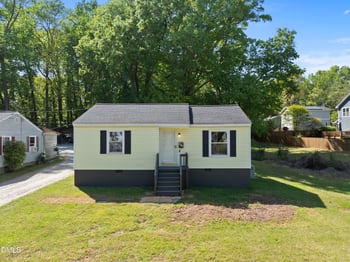
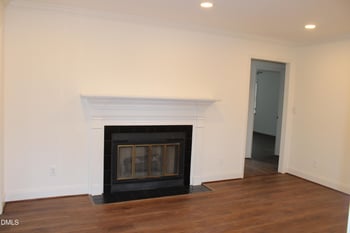
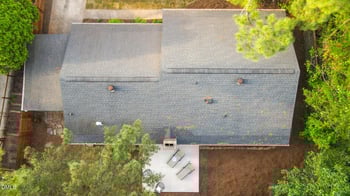
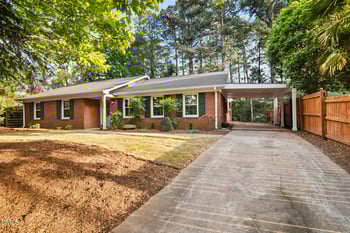
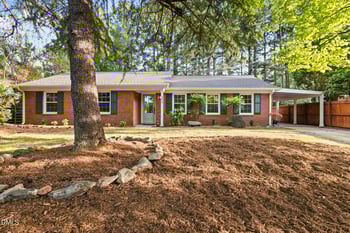
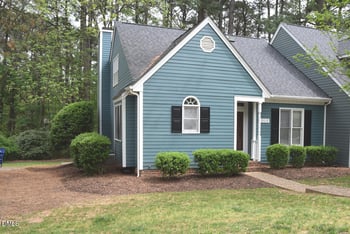
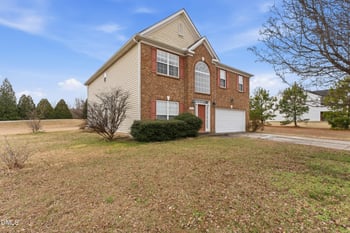
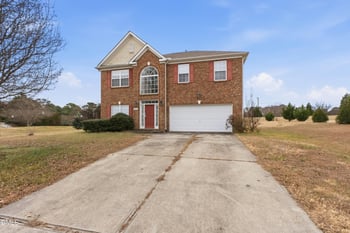
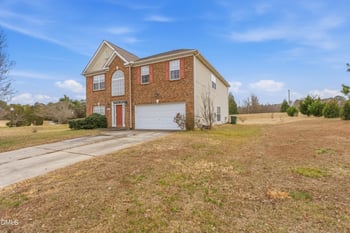
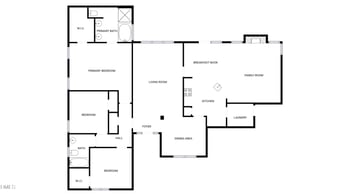
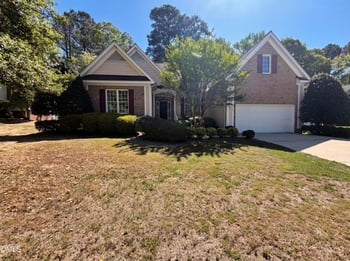
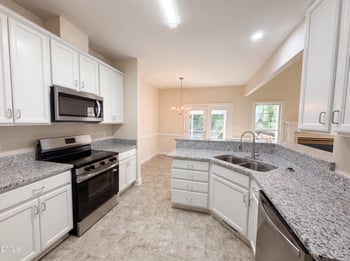
3775 Glencourse Way, Fayetteville, NC 28311
MLS#: LP760674



I own and operate one of the top real estate brokerages in Raleigh. I spent a lot of time making this the most comprehensive guide for living in Raleigh, NC that you'll find online. I also created this video to cover all of the information in this blog post. If you prefer watching to reading, this is for you.
Raleigh is the capital of North Carolina and the anchor of the Research Triangle. About 1.5 million people live in the metro area, and that number keeps growing. An estimated 70 or more people move to Raleigh every single day, and most of them stay.
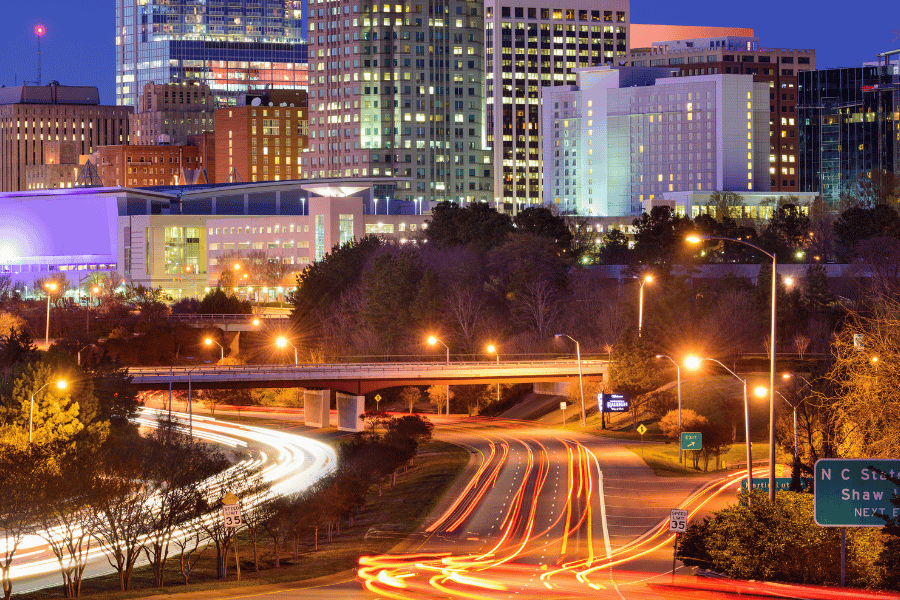
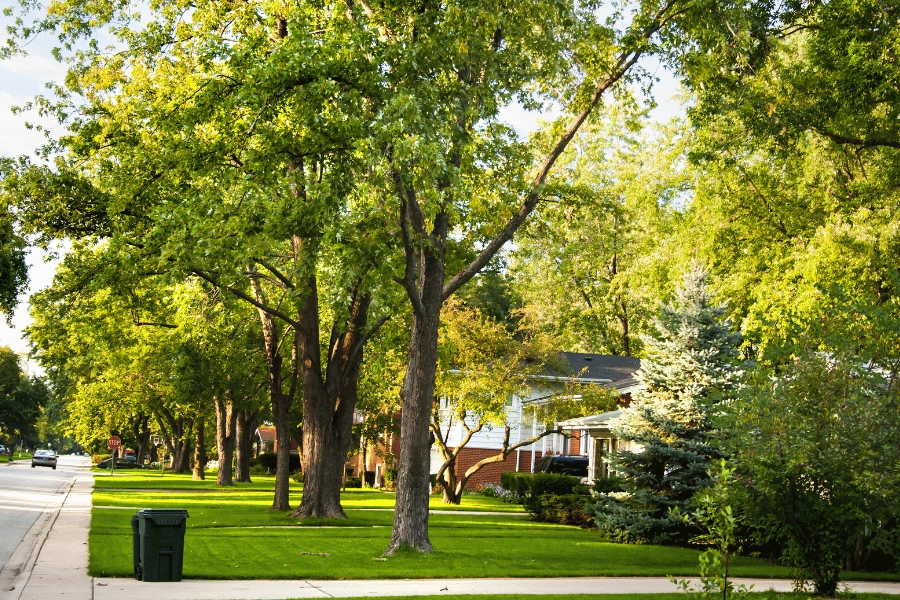
The city earned the nickname "City of Oaks" for the mature oak trees that line its streets and fill its older neighborhoods. It was named after Sir Walter Raleigh, and it has served as the state capital since 1792. The city looks nothing like the quiet government town it was 20 years ago.
So what is it about Raleigh that keeps pulling people in? The short answer is jobs, schools, weather, and a cost of living that still makes sense compared to most metros of its size. The longer answer is what I'll cover in this guide. Let's go.
One of Raleigh's defining characteristics is its population mix. While you will certainly encounter traditional southern hospitality and charm, the city is far more diverse and cosmopolitan than stereotypes might suggest.
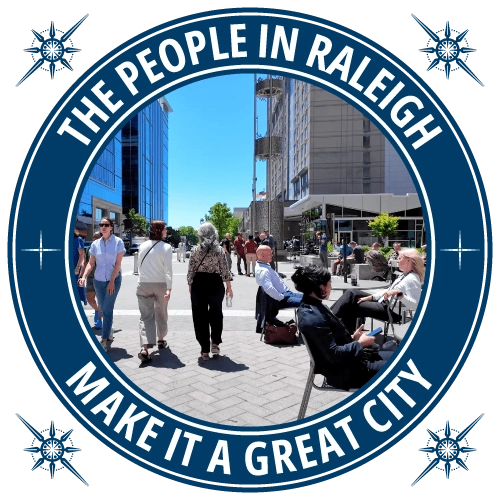 As one of the fastest growing cities in the country, about 60% of current residents were born outside of North Carolina, bringing perspectives and cultures from across the United States and the world.
People here tend to be educated, career-focused, and family-oriented, creating communities where you will find both professionals networking and neighbors organizing block parties.
Raleigh is a city, and it's a small town at the same time. It's large enough so that you're always meeting new people and small enough to run into the ones you know constantly.
The overall vibe is approachable and optimistic, less pretentious than some coastal cities but more progressive and diverse than many other Southern metros.
Is Raleigh a good place to find a job? That is one of the first questions people ask before making the move, and the answer is yes. Raleigh's job market is one of the strongest in the Southeast, and it has been for over a decade.
The engine behind it is the Research Triangle. Raleigh, Durham, and Chapel Hill form a corridor anchored by three major universities and a concentration of tech, biotech, and healthcare employers that few metros can match. Research Triangle Park alone sits on 7,000 acres between Raleigh and Durham and houses more than 300 companies.
The biggest names hiring in the Raleigh area right now include:
Beyond the big names, Raleigh has a growing startup scene concentrated around downtown and the Warehouse District. Biotech and life sciences companies have been expanding in the area too, especially along the I-40 corridor near RTP.
A large number of people moving to Raleigh in the last few years work remotely for companies based in New York, San Francisco, or DC. They keep their higher salaries and pay Raleigh's lower cost of living. That trend has driven up home prices in certain neighborhoods, but it also shows how attractive the area is even when the job itself is not here.
Unemployment in the Raleigh metro hovers around 3%, which is consistently below the national average. Job growth projections for the Triangle over the next decade outpace most of the country. If you are relocating for work or looking to find something after you arrive, this is a market that works in your favor.
How much does it cost to live in Raleigh? That depends on where you are coming from. If you are relocating from the Northeast, the West Coast, or the DC metro, Raleigh will feel like a bargain. If you are coming from a smaller town in the Midwest or rural South, you might be surprised at how much prices have climbed in the last five years.
Raleigh's cost of living sits about 2% below the national average. That number looks modest on paper, but the real advantage shows up when you compare it to other cities with the same caliber of jobs. A software engineer making $140,000 in Raleigh is paying a fraction of the housing costs that same salary would buy in Austin, Denver, or Northern Virginia.
The median home price in the Raleigh metro area is in the mid $300,000s as of early 2026. That is up from the low $200,000s just a few years ago. Prices have cooled from the 2022 peak but remain well above pre-pandemic levels.
Where you buy matters more than the metro average suggests. A home inside the beltline in a neighborhood like Five Points or Oakwood will cost $500,000 to $800,000 or more. A similarly sized home in Clayton, Fuquay Varina, or Garner can run $280,000 to $380,000. Cary and Apex sit somewhere in the middle, with strong school districts that keep demand steady.
North Carolina's property tax rates are lower than most Northeastern and Midwestern states. Wake County's rate is roughly $0.60 per $100 of assessed value, which means a $400,000 home costs about $2,400 a year in county property taxes before any municipal or fire district additions.
One tax benefit that catches retirees' attention is that North Carolina does not tax Social Security income at the state level. That single line item saves some retirees thousands of dollars a year compared to states that do tax it.
Here are some examples of current home prices in Raleigh today:


What are the best neighborhoods in Raleigh? That answer changes depending on your stage of life and what matters most to you. Raleigh has distinct pockets, each with its own personality. Inside the Beltline, neighborhoods like Five Points, Oakwood, and Boylan Heights are close to downtown with older homes and tree-lined streets, but prices reflect the demand. North Hills and Glenwood South attract people who want walkable dining and entertainment without a big yard. The Warehouse District and Person Street area on the east side of downtown has seen a surge of new restaurants, breweries, and infill construction in the last few years.
Outside of Raleigh proper, towns like Cary, Apex, Holly Springs, Fuquay Varina, and Wake Forest each have their own identity and price range. Families moving from out of state often end up in these suburbs because the schools are strong and the dollar stretches further. Brier Creek in northwest Raleigh is popular with business travelers, as RDU Airport is less than 10 minutes away.
One thing buyers need to know is that parts of northwest Raleigh technically sit in Durham County. That means different schools and different tax rates even though the mailing address says Raleigh. Always verify the county before making an offer.
We put together a full breakdown of every major Raleigh neighborhood with pricing, school info, and what each area is best suited for. You can read it here: Best Neighborhoods in Raleigh NC.
Are the schools good in Raleigh? For many families, this is the question that decides whether to move. The short answer is that Wake County has one of the largest and highest-performing public school systems in the state, with options you won't find in most metros.
The Wake County Public School System serves over 160,000 students across more than 190 schools. What sets it apart is the variety. The district operates traditional calendar schools, year-round schools, and a magnet program that draws families from across the county. Magnet schools focus on specific areas like STEM, performing arts, or International Baccalaureate programs, and admission is handled through a lottery system.
School quality varies by location, which is why the neighborhood conversation matters so much when buying a home. Areas like Cary, Apex, and north Raleigh consistently have the highest-rated elementary and middle schools. Parents who are serious about school assignments should check the Wake County school locator tool before they pick a neighborhood, not after.
Raleigh also has a strong private school market. Ravenscroft, Cardinal Gibbons, Saint Mary's, and Cary Academy are among the most well known. Tuition ranges from around $10,000 to over $25,000 per year, depending on the school and grade level. Several families moving from the Northeast come from private school backgrounds and find comparable options here at lower tuition rates.
The Triangle is one of the most concentrated higher education markets in the country. NC State University is in Raleigh. Duke University is in Durham. UNC Chapel Hill is 30 minutes west. Those three schools drive a massive amount of the region's economy,
Should I move to Raleigh or Durham? What about Chapel Hill? This is one of the most common questions people ask when they start researching the Triangle. All three cities share the same regional economy, but they have very different personalities.
Raleigh is the largest of the three with a metro population of about 1.5 million. It is the state capital, has the most suburban sprawl, and offers the widest range of housing options, from downtown condos to new-construction subdivisions 30 minutes out. Raleigh tends to attract families and professionals who want a balance of career opportunities, high-quality schools, and space. The food and entertainment scene has grown fast, but the overall feel is still more polished suburban than gritty urban.
Durham has a grittier, more independent identity than Raleigh. Downtown has undergone a major revival over the last 15 years, anchored by the American Tobacco Campus, the Durham Performing Arts Center, and a restaurant scene that punches above its weight. Duke University and Duke Health dominate the economy. Housing in Durham is generally less expensive than in Raleigh, though that gap has narrowed. People who choose Durham over Raleigh tend to value walkability, local culture, and a less cookie-cutter feel.
Chapel Hill is the smallest of the three and revolves almost entirely around UNC. It has a college town atmosphere that never really goes away. Franklin Street is the main commercial strip, and it feels more like a small town main street than anything you would find in Raleigh or Durham. Housing options are more limited, and prices are higher per square foot because of the tight geography. Chapel Hill works well for people connected to the university or those who prefer a quieter, smaller community.
All three cities are within 30 minutes of each other outside of rush hour. Raleigh to Durham takes about 25 minutes on I-40. Raleigh to Chapel Hill takes about 35 minutes. Research Triangle Park sits roughly in the middle, which is why many people who work in RTP choose to live in any of the three, depending on their lifestyle preferences. During morning and evening rush hour, add 15 to 20 minutes to those estimates.
What is the weather like in Raleigh, NC? You get four actual seasons here, which is one of the biggest draws for people moving from Florida or the upper Midwest. Springs are mild and start early, usually by mid-March. Fall stretches well into November with warm days and cool nights. Winters are short and rarely brutal. Summers are the tradeoff.
July and August in Raleigh are hot and humid. Temperatures regularly hit the low to mid-90s, and the humidity makes it feel even worse. If you are coming from a dry climate, this will be an adjustment. Air conditioning is not optional here. It runs from late May through mid-September in most homes, and your electric bill will reflect it. The good news is that mornings and evenings cool down enough to get outside, and by mid-October, the humidity breaks completely.
Raleigh winters are mild compared to anything north of Virginia. Average highs in January sit around 50 degrees. Snow is rare, usually one or two small events per year, and it rarely sticks for more than a day or two. Ice storms are the real winter threat. They happen every few years and can knock out power for days in some neighborhoods. The city does not have the salt trucks or plows that Northern cities have, so even a light ice event can shut down roads and schools.
Raleigh sits about two hours inland from the coast, which provides a buffer from direct hurricane hits. The city does not get the storm surge or coastal wind damage that beach towns experience. What Raleigh does get is heavy rain and tropical storm-force winds when a hurricane moves inland. Hurricane Florence in 2018 dumped enough rain to flood roads and neighborhoods that had never flooded before. Hurricane Helene in 2024 devastated western North Carolina, but Raleigh suffered minimal damage.
The takeaway is that hurricanes are a factor, but primarily for flooding and power outages rather than the kind of destruction coastal areas face. You will want to know whether your home sits in a FEMA flood zone before you buy. That is something your agent should check early in the process.
How bad are allergies in Raleigh? Bad enough that it is worth its own section. Raleigh consistently ranks among the worst cities in the country for seasonal allergies. In late March and April, pine pollen covers everything in a visible layer of yellow dust. Cars, porches, outdoor furniture, all of it. Oak and cedar pollen follow right behind. If you have respiratory issues or have never dealt with pollen, budget for an allergist visit in your first spring here. Most people adjust after a year or two, but that first season catches a lot of newcomers off guard.
What bugs are common in Raleigh, NC? This is one of those topics that most moving guides skip entirely, but it comes up constantly in conversations with people who just moved here. Raleigh's warm and humid climate means bugs are part of the deal year-round.
Mosquitoes are the biggest nuisance from late spring through early fall. If you live near any standing water, a creek, or one of the local lakes, they will find you. Citronella and a good screen porch help, but most people end up hiring a mosquito treatment service for their yard during the summer months. It runs about $50 to $75 per treatment.
The one that surprises newcomers the most is the palmetto bug. That is the polite Southern name for a large flying cockroach. They live outside in mulch, leaf litter, and wooded areas, and they occasionally make their way indoors. Seeing one in your house does not mean you have an infestation. It means you live in the Southeast
What is the Raleigh food scene like? Ten years ago, the honest answer would have been barbecue and chain restaurants. That is no longer the case. Raleigh has become a legitimate food city, and the national press has started to notice.
Multiple Raleigh restaurants were selected for the first Michelin Guide to the American South. Several local chefs have received James Beard nominations. This is not a city where you need to drive to Charlotte or DC for a good meal anymore.
The names that come up most often in the local conversation include:
Raleigh sits near the dividing line between Eastern and Lexington-style North Carolina barbecue. Eastern style uses a vinegar-based sauce on the whole hog. Lexington-style uses a tomato-and-vinegar blend on pork shoulder. You will find both here, and people have strong opinions about which is better. The Pit on West Davie Street is one of the most popular barbecue spots in the city and serves Eastern-style barbecue.
The food scene has grown alongside the population. The influx of people from other states and countries has brought a wider range of options. You can find strong Korean, Vietnamese, Ethiopian, Indian, and Latin American food throughout the metro area. Many of the best ethnic restaurants are in strip malls along Capital Boulevard and Glenwood Avenue, as well as in Cary and Morrisville. Morrisville, in particular, has become a destination for Indian and South Asian food because of its large tech workforce.
Raleigh is not New York or Chicago when it comes to dining. Nobody who lives here would claim that. But for a mid-size metro, the depth and quality of the food scene punches well above what most people expect when they move here.
Does Raleigh have good nightlife? It depends on what you are comparing it to. If you are coming from New York, Chicago, or Miami, Raleigh will feel quiet. If you are coming from a smaller city or a suburb, you will have plenty to do on a Friday night.
Glenwood South is Raleigh's main nightlife district. It runs along Glenwood Avenue between downtown and the Beltline and is packed with bars, restaurants, and rooftop patios. On weekends, this strip gets crowded, especially in the warmer months when outdoor seating fills up. The crowd skews younger, mostly 20s and 30s. If you want to bar hop on foot, this is where you do it in Raleigh.
The Raleigh Beer Garden holds the Guinness World Record for the most beers on draft in a single location. It has over 350 taps across multiple floors and a rooftop patio. Even if you are not a beer person, the space itself is worth a visit. It draws a mixed crowd and works equally well for a casual weeknight drink or a weekend outing.
Raleigh has a solid live music circuit for a city its size. The main venues include:
For smaller shows, local bars and venues like The Pour House, Neptunes, and Kings host live bands and DJs throughout the week.
Raleigh's nightlife is solid, but it is not a late-night city. Most bars close at 2 AM. There is no real "after-hours" scene to speak of. The city tends to shut down earlier than larger metros, and most people here are fine with that. If a packed nightlife calendar is a priority for you, Durham actually has a slightly edgier bar and music scene that draws some Raleigh people on weekends.
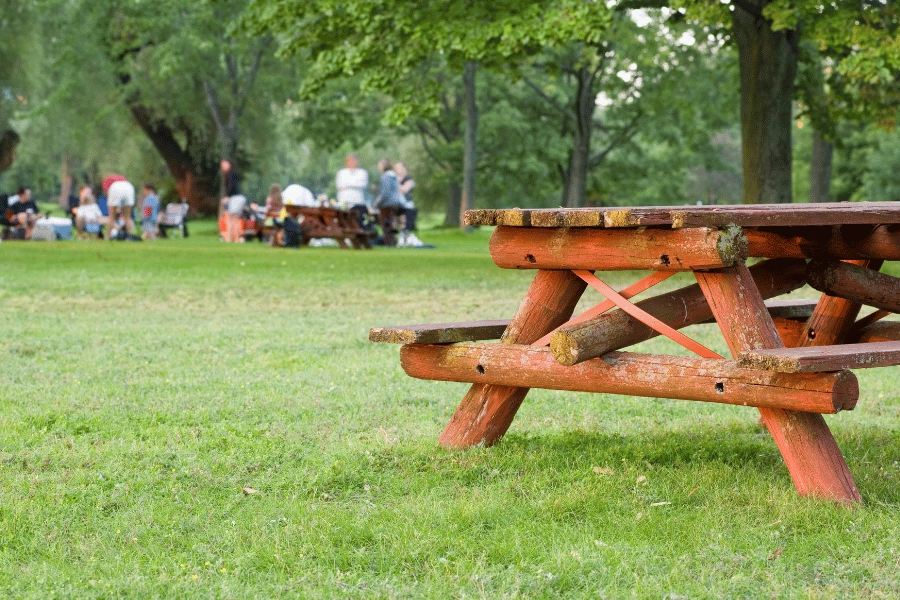
Raleigh is sometimes called a city built inside a park, and once you spend time here, you will understand why. The metro area has over 10,000 acres of dedicated parkland, a greenway system that connects neighborhoods across the city, and access to state parks and lakes within a short drive.
Umstead is the crown jewel. It spans more than 5,000 acres between Raleigh and RDU Airport and is the most visited state park in North Carolina. There are 22 miles of hiking trails and 13 miles of multi-use trails for biking and horseback riding. You can spend an entire day here and forget you are minutes from a metro area. The park gets crowded on weekends in the spring and fall, so early mornings are the best time to go.
Falls Lake is about 30 minutes north of downtown Raleigh and covers seven access areas around a large reservoir. It offers 14 miles of mountain biking trails, sandy swimming beaches at Beaverdam and Sandling Beach, and plenty of room for kayaking, canoeing, and paddleboarding. Fishing is popular here too. Families with boats will find public ramps at several access points. Falls Lake is where a lot of Raleigh people spend their summer weekends.
Dix Park sits on 308 acres just south of downtown and is one of the most talked about parks in the city right now. The master plan calls for it to become Raleigh's version of Central Park, and the first phases are already open. The hilltop meadow has one of the best skyline views in the area. Development is ongoing and will continue for years, but even in its current state, it draws crowds for sunsets, picnics, and weekend walks.
Pullen Park is the oldest public park in North Carolina, established in 1887. It sits adjacent to NC State's campus and has a carousel, paddle boats, a small train, and an aquatic center. It is a family staple and one of those places that every Raleigh kid grows up visiting.
Lake Johnson and Shelley Lake are the two most popular urban lakes inside Raleigh's city limits. Both have paved walking trails around the perimeter and are busy year-round with joggers, dog walkers, and people pushing strollers. Lake Johnson also allows kayaking and has a small boat rental operation.
The Capital Area Greenway system connects many of these parks and lakes through more than 100 miles of paved and unpaved trails. You can bike from one end of the city to the other without touching a road if you know the route. The greenway network is one of those things people do not fully appreciate until they live here and start using it daily.
The JC Raulston Arboretum on NC State's campus is a free, 10-acre garden with one of the most diverse plant collections in the Southeast. It is a quiet spot that most visitors to Raleigh never hear about. Locals use it for walks, photography, and as a break from the usual park routine.
Raleigh is a dog-friendly city. Most of the greenway trails allow dogs on leash. There are several dedicated off-leash dog parks, including Oakwood Dog Park, Millbrook Exchange Dog Park, and Carolina Pines Dog Park. A growing number of breweries and restaurants have outdoor patios that welcome dogs. If you are moving with pets, this is an easy city to settle into.
Raleigh has a museum and arts scene that most people do not expect from a mid-sized Southern city. Several of the best museums here are free, which makes them easy to visit regularly rather than treating them as once-a-year outings.
The Duke Energy Center for the Performing Arts is the hub for live theater, ballet, and symphony in Raleigh. It houses the Carolina Ballet, the North Carolina Symphony, and the North Carolina Theatre under one roof. The building sits on a downtown block that also includes Memorial Auditorium and Meymandi Concert Hall.
For people coming from cities with large performing arts communities, Raleigh's scene is smaller but active. Season tickets for the symphony or ballet are a fraction of what you would pay in a major metro, and the quality is consistently strong.
Durham's performing arts center, DPAC, is also 25 minutes away and books touring Broadway shows and national comedy acts. Many Raleigh people treat DPAC as an extension of their own entertainment options since the drive is short.
Is Raleigh a good sports town? It is, but not in the way most people expect. Sports culture here is dominated by college athletics, and that is not going to change anytime soon.
NC State University is the heartbeat of Raleigh sports. Football and basketball games at Carter-Finley Stadium and PNC Arena generate real energy across the city. Wolfpack fans are loyal, and game days bring traffic, tailgating, and packed restaurants for miles around campus.
The bigger picture is the Triangle rivalry. NC State, UNC Chapel Hill, and Duke are all within 30 miles of each other. When those three schools play each other in basketball, the entire region picks sides. If you move here and do not have an allegiance yet, people will ask you to pick one. It is part of the culture.
The Carolina Hurricanes are Raleigh's only major professional sports team. They play in the NHL at PNC Arena and have built a strong fan base, especially after recent playoff runs. Tickets are more affordable and easier to get than in most NHL markets. Even if you are not a hockey fan coming in, the atmosphere at a Hurricanes game tends to convert people.
Raleigh does not have NFL, NBA, or MLB teams. That is a common complaint from transplants coming from bigger markets. The closest options are the Charlotte Panthers (NFL) and the Charlotte Hornets (NBA), both about 2.5 hours away. Some people make the drive for games, but most Raleigh sports fans focus their energy on college teams and the Hurricanes.
The Durham Bulls are one of the most well-known minor league baseball teams in the country, thanks in part to the movie Bull Durham. Durham Bulls Athletic Park is a great stadium, and tickets are cheap. It is a 25-minute drive from Raleigh and makes for an easy weeknight summer outing.
North Carolina FC plays soccer at WakeMed Soccer Park in Cary. The fan base is growing as soccer continues to gain traction in the Triangle. For families with kids in youth soccer, having a local club to watch adds to the community feel.
How bad is traffic in Raleigh? That depends entirely on where you are coming from. If your last city was Atlanta, DC, or Los Angeles, Raleigh traffic will feel like nothing. If you are coming from a smaller town, the rush hour congestion on I-440 and I-40 will take some getting used to.
The average one-way commute in Raleigh is about 24 minutes, which is below the national average. Most congestion occurs during the morning rush from 7:30 to 9:00 AM and the afternoon rush from 4:30 to 6:00 PM. Outside of those windows, getting around the city is quick. The I-440 Beltline, I-40, and US 1 are the main arteries that carry the heaviest load. Highway 540, the outer loop toll road, has become a popular alternative for people commuting from the southern and western suburbs into RTP.
The biggest complaint from people who have lived here a while is not the current traffic but how fast it has gotten worse. Roads that were easy five years ago now back up during peak hours because the infrastructure has not kept pace with the population growth.
Parts of it are. Downtown Raleigh, Glenwood South, Five Points, and North Hills are all walkable within their own boundaries. You can live in those areas and handle daily errands and dining on foot. But Raleigh as a whole is a car-dependent city. Grocery runs, school drop-offs, and most commutes require a vehicle. You can live here without a car if you pick the right neighborhood and work remotely, but most people would not recommend it.
Does Raleigh have public transportation? It does, but it is limited compared to what you would find in a larger metro. GoRaleigh operates the city bus system with routes covering most of the urban core. GoTriangle operates regional and commuter buses connecting Raleigh to Durham, Cary, Chapel Hill, and Research Triangle Park. Both systems are functional for people who live and work near major routes, but coverage thins out quickly in the suburbs.
There is no light rail or subway system. A bus rapid transit project is in the planning stages with an estimated completion around 2035. Vanpool and rideshare programs coordinated by GoTriangle serve some of the larger employers and commuter corridors, but for most people, a car is still the primary way to get around.
Raleigh has been designated a bicycle-friendly community. Two major bike routes pass through the city: the Maine-to-Florida U.S. Bicycle Route 1 and the North Carolina Mountains-to-Sea route. The Capital Area Greenway system mentioned in the parks section doubles as a bike commuting network for people who live along its path. Most GoRaleigh and GoTriangle buses have bike racks as well.
That said, on-road bike infrastructure is still a work in progress. Some roads have dedicated bike lanes, while others do not. Biking works well for recreation and for commuters in certain neighborhoods, but it is not yet a practical option for everyone across the metro.
Raleigh-Durham International Airport sits between Raleigh and Durham and offers direct flights to most major US cities and a growing number of international destinations. It is a mid-sized airport that is easy to get in and out of compared to hubs like Atlanta or Charlotte. Most Raleigh neighborhoods are 20 to 30 minutes from the terminal. Brier Creek and Morrisville are the closest, at under 10 minutes.
Is Raleigh NC safe? For the most part, yes. Raleigh's overall crime rate is below the national average and has been trending downward in recent years. Violent crime is rare in most neighborhoods and concentrated in a small number of areas. The vast majority of people living here go about their daily lives without safety concerns.
Like any city, Raleigh has pockets with higher crime rates. Southeast Raleigh, parts of the New Bern Avenue corridor, and some blocks south of downtown see more property crime and occasional violent incidents than the rest of the city. These areas are well known locally and tend to have lower home prices as a result.
That does not mean you should write off entire zip codes. Some of these neighborhoods are changing fast. The area around Southeast Raleigh has seen new investment and development in recent years, and long-time owners there have watched their property values climb. But if safety is a top priority, especially with young kids, it is worth looking at the crime map for any specific address you are considering before making an offer.
The surrounding towns like Cary, Apex, Holly Springs, and Wake Forest consistently rank among the safest communities in the state. Cary, in particular, shows up on national "safest cities" lists almost every year. Property crime in these suburbs is low, and violent crime is extremely rare. That safety record is one of the main reasons families with children gravitate toward these areas.
The most common crime that affects new homeowners in Raleigh is car break-ins, especially in neighborhoods near downtown and in apartment complex parking lots. Leaving valuables visible in your car is the fastest way to become a statistic. Lock your car, keep it clean inside, and you are ahead of most people. Package theft from front porches has also increased as online shopping has grown, a trend not unique to Raleigh but worth mentioning.
Access to quality healthcare is one of the things Raleigh does not get enough credit for. The Triangle is home to two of the top hospital systems in the country, and most residents are within 20 minutes of a major medical center.
One challenge new arrivals run into is getting established with a primary care doctor. Many of the most popular practices in Raleigh and Cary have waitlists for new patients. It is worth calling and getting on a list as soon as you know you are moving, even before you arrive. Urgent care clinics are easy to find throughout the metro and can cover immediate needs while you wait for a primary care spot to open up.
Specialty care is where the Triangle really stands out. Between Duke, UNC, and WakeMed, you have access to specialists in cardiology, oncology, neurology, orthopedics, and pediatric medicine without leaving the metro area. People in many other mid-sized cities have to fly to a major hub for that level of care.
How far is Raleigh from the beach? About two to three hours, depending on which stretch of coast you are headed to. How far from the mountains? About three to four hours west. That central position is one of the things people mention most when they talk about why they like living here.
The closest beaches to Raleigh are along the Crystal Coast, which includes Atlantic Beach, Emerald Isle, and Beaufort. That drive is about 2.5 hours east on US 70. These are quieter, family-oriented beach towns with less commercial development than Myrtle Beach or the Outer Banks.
Wrightsville Beach near Wilmington is about two and a half hours southeast on I-40 and is a popular weekend trip for Raleigh families. It has a more active surf and restaurant scene than the Crystal Coast. The Outer Banks is farther north, about 3.5 to 4 hours away, depending on which town you are visiting. OBX is where many Raleigh families do their week-long summer vacations.
The fact that you can leave Raleigh on a Friday afternoon and be on the sand before dinner is a real quality of life factor. It is one of the things that makes the summer heat more tolerable when you know the coast is a tank of gas away.
Asheville and the Blue Ridge Parkway are about three and a half to four hours west on I-40. Boone and Blowing Rock are about three hours northwest. The mountain towns offer a completely different climate and pace from Raleigh, with cooler temperatures, hiking, and fall foliage that draws visitors from across the state every October.
Many Raleigh families keep a rhythm of beach trips in the summer and mountain trips in the fall. The drive in either direction is long enough to feel like a getaway but short enough that you can do it for a weekend without taking time off work.
Raleigh is one of the fastest-growing cities in the United States and has been for several years running. The metro area adds tens of thousands of new residents each year, and that pace shows no signs of slowing. If you are moving here, you are joining a city that is in the middle of a major transformation.
The job market is the biggest factor. Companies keep expanding in the Triangle, and remote workers keep choosing Raleigh for the cost of living. The universities provide a steady pipeline of young talent that stays after graduation. Retirees are moving in from the Northeast for the weather and tax benefits. All of these forces compound, and they show up most clearly in the housing market and traffic patterns.
New subdivisions are going up across Wake County at a pace that is hard to keep track of. Towns like Holly Springs, Fuquay-Varina, Apex, and Wake Forest are adding thousands of rooftops each year. Downtown Raleigh has seen a wave of apartment towers and mixed-use projects over the last five years, with more in the pipeline. The skyline looks different today than it did even three years ago.
For buyers, that means options. There is more new construction inventory in the Raleigh market than in most metros of this size. For existing homeowners, the growth has steadily pushed property values up, though the rate of appreciation has slowed from the frenzied pace of 2021 and 2022.
Road projects are ongoing across the metro. The 540 toll road extension through southern Wake County has been a major project connecting the western and southeastern suburbs. Widening projects on I-40 and I-440 have been in progress for years. The bus rapid transit system mentioned earlier is still a decade out. The gap between population growth and infrastructure investment is real, and it is the source of most traffic frustration for people who have watched the city change over the last 10 years.
If you are buying a home in Raleigh right now, you are buying into a market that has strong long term fundamentals. Job and population growth, along with a limited housing supply relative to demand, support home values over time. The tradeoff is that the city you move to today will look and feel different in five years. New neighbors, new traffic, new construction, and new restaurants are all part of the deal. Most people who live here see the growth as a net positive, even when the construction and congestion test their patience.
Raleigh is one of the fastest growing cities in the United States and has been for several years running. The metro area adds tens of thousands of new residents each year, and that pace shows no signs of slowing. If you are moving here, you are joining a city that is in the middle of a major transformation.
The job market is the biggest factor. Companies keep expanding in the Triangle, and remote workers keep choosing Raleigh for the cost of living. The universities provide a steady pipeline of young talent that stays after graduation. Retirees are moving in from the Northeast for the weather and tax benefits. All of these forces compound, and they show up most clearly in the housing market and traffic patterns.
New subdivisions are going up across Wake County at a pace that is hard to keep track of. Towns like Holly Springs, Fuquay-Varina, Apex, and Wake Forest are adding thousands of rooftops each year. Downtown Raleigh has seen a wave of apartment towers and mixed-use projects over the last five years, with more in the pipeline. The skyline looks different today than it did even three years ago.
For buyers, that means options. There is more new construction inventory in the Raleigh market than in most metros of this size. For existing homeowners, the growth has steadily pushed property values up, though the rate of appreciation has slowed from the frenzied pace of 2021 and 2022.
Road projects are ongoing across the metro. The 540 toll road extension through southern Wake County has been a major project connecting the western and southeastern suburbs. Widening projects on I-40 and I-440 have been in progress for years. The bus rapid transit system mentioned earlier is still a decade out. The gap between population growth and infrastructure investment is real, and it is the source of most traffic frustration for people who have watched the city change over the last 10 years.
If you are buying a home in Raleigh right now, you are buying into a market that has strong long term fundamentals. Job and population growth, along with a limited housing supply relative to demand, support home values over time. The tradeoff is that the city you move to today will look and feel different in five years. New neighbors, new traffic, new construction, and new restaurants are all part of the deal. Most people who live here see the growth as a net positive, even when the construction and congestion test their patience.
Once you have decided to move to Raleigh, there is a checklist of practical things that need to happen within your first few weeks. Most of this is state level paperwork that newcomers from other states do not think about until they are already here.
North Carolina requires new arrivals to transfer their driver's license within 60 days of establishing residency. You will need to visit a NC DMV office in person with your current license, proof of residency such as a utility bill or lease, your Social Security card, and proof of insurance. Plan for a wait. DMV offices in Wake County get busy, especially mid month. Booking an appointment online ahead of time saves a lot of time.
Vehicle registration must also be transferred within the same 60 day window. North Carolina requires an annual vehicle inspection as part of the registration process, so you will need to get your car inspected at a licensed station before you can register it. The inspection is quick and costs around $30.
You can register to vote in North Carolina online, by mail, or in person at your county board of elections. The deadline is 25 days before any election. If you are moving during an election year, it is worth handling this early so you do not miss a registration cutoff.
Setting up utilities in Raleigh is straightforward but varies by location. The City of Raleigh handles water and sewer for homes inside city limits. Duke Energy is the electricity provider for most of Wake County. Dominion Energy handles natural gas. If you are buying a home in one of the surrounding towns like Cary, Apex, or Holly Springs, the water and sewer provider may be different. Your agent or closing attorney can usually tell you which providers serve the specific address.
Internet options include AT&T Fiber and Google Fiber in many Raleigh neighborhoods, with Spectrum available in areas where fiber has not reached yet. Google Fiber availability has been expanding steadily and is one of the perks newcomers from other markets do not expect.
As mentioned in the healthcare section, getting on a primary care waitlist early is smart. The same goes for dentists in popular areas like Cary and North Raleigh where established practices fill up. If you have pets, veterinary offices in the suburbs are also booking further out than they used to. Start making calls before your move date if you can.
Raleigh consistently ranks on national "best places to live" lists, and the reasons are practical. The job market is strong, the school system is above average, the cost of living is lower than most comparable metros, and the weather gives you four real seasons. It is not perfect, but the people who move here tend to stay.
The biggest pros are the job market, school quality, food scene, access to beaches and mountains, and a cost of living that still makes sense relative to salaries. The biggest cons are summer humidity, worsening traffic, pollen season, bugs, and a nightlife scene that is smaller than what you would find in a major metro. Most people who live here feel the pros outweigh the cons by a wide margin.
Raleigh's crime rate is below the national average and trending downward. Violent crime is concentrated in a small number of areas. The surrounding suburbs like Cary, Apex, and Holly Springs are among the safest communities in the state. Like any city, some neighborhoods require more awareness than others, but Raleigh as a whole is a safe place to live.
Southeast Raleigh, parts of the New Bern Avenue corridor, and certain blocks south of downtown have higher crime rates than the rest of the city. These areas are not dangerous for a casual drive through, but they do show up more frequently in property crime statistics. Checking the crime map for a specific address before buying is always a good idea.
Raleigh sits about two hours inland from the coast, so it does not take direct hurricane hits. What it does get is heavy rain, tropical storm force winds, and occasional flooding when a hurricane moves inland. Ice storms in winter are actually a bigger disruption for most people living here. Knowing whether your home sits in a FEMA flood zone is worth checking before you buy.
Raleigh has a bus system operated by GoRaleigh and a regional system called GoTriangle that connects to Durham, Chapel Hill, and Research Triangle Park. There is no light rail or subway. A bus rapid transit project is planned for 2035. Most people rely on a car to get around.
Raleigh ranks among the worst cities in the country for seasonal allergies. Pine, oak, and cedar pollen hit hard in March and April. Everything outdoors gets coated in a visible yellow layer. Most people adjust after their first year, but an allergist visit during your first spring here is not unusual.
Mosquitoes, palmetto bugs (large flying roaches), and fire ants are the most common. Raleigh's warm humid climate keeps bugs active year round. Quarterly pest control service is a normal household expense, running about $30 to $50 per month. It is not a reason to avoid moving here, but it is a reality of living in the Southeast.
They are different cities that attract different people. Charlotte is larger, has a bigger downtown skyline, and offers NFL and NBA teams. Raleigh has a stronger tech job market, better public schools on average, and a more spread out suburban feel. Charlotte feels more like a banking and finance city. Raleigh feels more like a tech and research city. Most people choose between them based on where their job is and what lifestyle they prefer.
Raleigh is larger, more suburban, and has more housing options across a wider price range. Durham is smaller, grittier, and has a more walkable downtown with a strong independent restaurant and arts scene. Many people who work in Research Triangle Park choose between the two based on personality more than practicality, since the commute from either city to RTP is about the same.
Parts of it are. Downtown, Glenwood South, Five Points, and North Hills are walkable within their own areas. But Raleigh as a whole is a car dependent city. Most errands, commutes, and school runs require a vehicle. You can get by without a car in a few select neighborhoods, but most people would not recommend it long term.
Yes. The tech and biotech job market provides strong career paths. The food and bar scene in downtown and Glenwood South gives you plenty of social options. Housing is more affordable than peer cities like Austin, Denver, or DC. The one knock is that nightlife shuts down earlier than bigger metros, but most young professionals here find enough to keep them busy.
Raleigh checks a lot of boxes for retirees. Mild winters, no state tax on Social Security income, access to top tier healthcare at Duke and UNC, and a cost of living that stretches retirement savings further than the Northeast or West Coast. Many retirees settle in Cary, Apex, or north Raleigh for the safety, convenience, and proximity to the airport.
You can, and people do. The job market is strong enough that most skilled professionals find work within a few months. Having savings to cover three to six months of expenses is smart. Remote workers have an even easier time since they bring their income with them. The biggest hurdle is housing. Landlords and lenders both want to see proof of income, so having a job offer or remote employment lined up before you arrive makes the process smoother.
Transfer your driver's license and vehicle registration within 60 days. Get your car inspected at a licensed station. Register to vote at your county board of elections. Set up utilities through the City of Raleigh for water, Duke Energy for electricity, and Dominion Energy for natural gas. Check Google Fiber or AT&T Fiber availability at your address for internet.
The closest beaches are about two to two and a half hours east. Atlantic Beach, Emerald Isle, and Wrightsville Beach are the most popular drives from Raleigh. The Outer Banks is about three and a half to four hours north and east.
Asheville and the Blue Ridge Parkway are about three and a half to four hours west on I-40. Boone and Blowing Rock are about three hours northwest. Most Raleigh families do mountain trips in the fall for the foliage and cooler temperatures.
![17 Best Neighborhoods in Raleigh, NC [2026 Guide]](https://images.agentloft.com/rr-images/uploads/rr-migrated/blogs/August2024/E0Cjyqy5pGsC61lv5bGG.jpg)
Are you looking for the best neighborhoods in Raleigh, NC? Here are 17 great neighborhoods to call home in Raleigh! Raleigh, North Carolina's vibrant capital city, has earned its reputation as one of the fastest-growing metropolitan areas in the United States. Known as the "City of Oaks" for its majestic tree-lined streets, Raleigh offers newcomers an exceptional quality of life that balances Sou
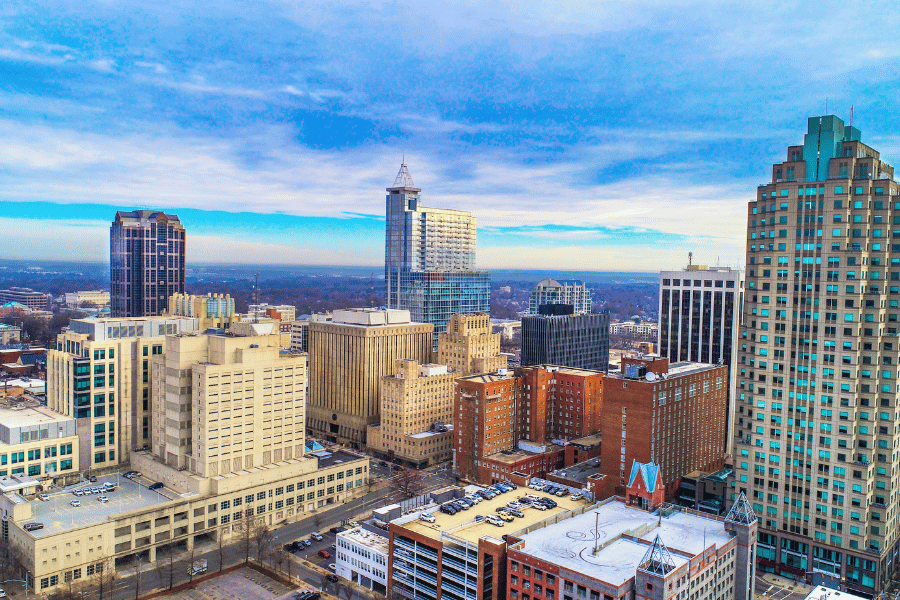
Is Raleigh, NC, a safe place to live? Here is what you need to know about Raleigh crime statistics, the safe neighborhoods in Raleigh, and how to stay safe in Raleigh. Raleigh is not only the capital of North Carolina but also a beautiful city known for its top-rated universities, historic attractions and museums, southern charm, numerous job opportunities, pleasant climate, and affordable housin
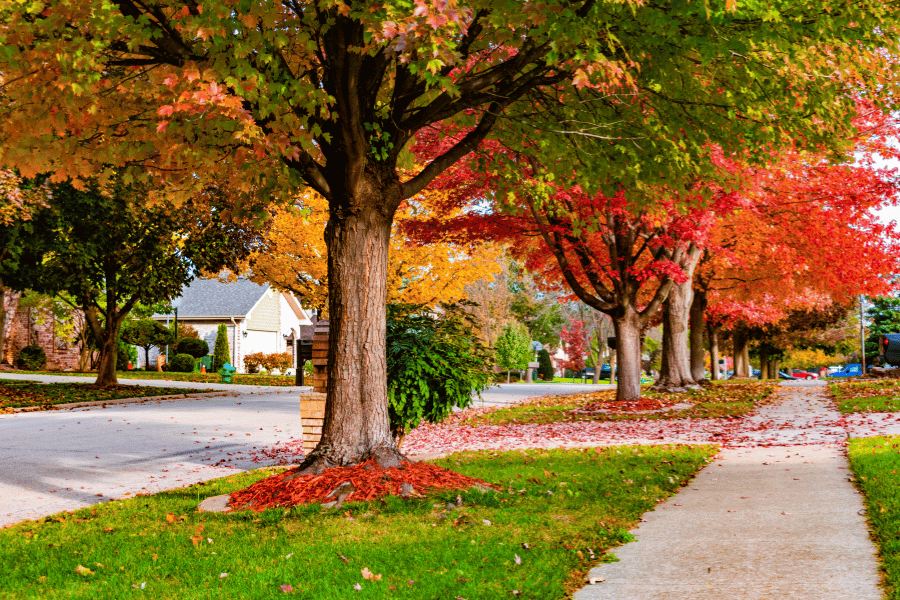
Are you searching for the most walkable neighborhoods in Raleigh, NC? Here are 10 Raleigh communities with outstanding walkability!Raleigh is the capital of North Carolina and is recognized as one of the best places to live in the country because of its high safety rating, abundance of job opportunities, and affordability. Many families choose to live in Raleigh due to its strong housing market a
Are you searching for the best neighborhood in Raleigh, NC, for young professionals? Here are ten great neighborhoods to call home in Raleigh as a young professional.Raleigh, North Carolina, is one of the best places to live in the country. U.S. News and World Report ranked it among the top 25 cities for young professionals. With a median age of 34.7, life in Raleigh centers around young professi
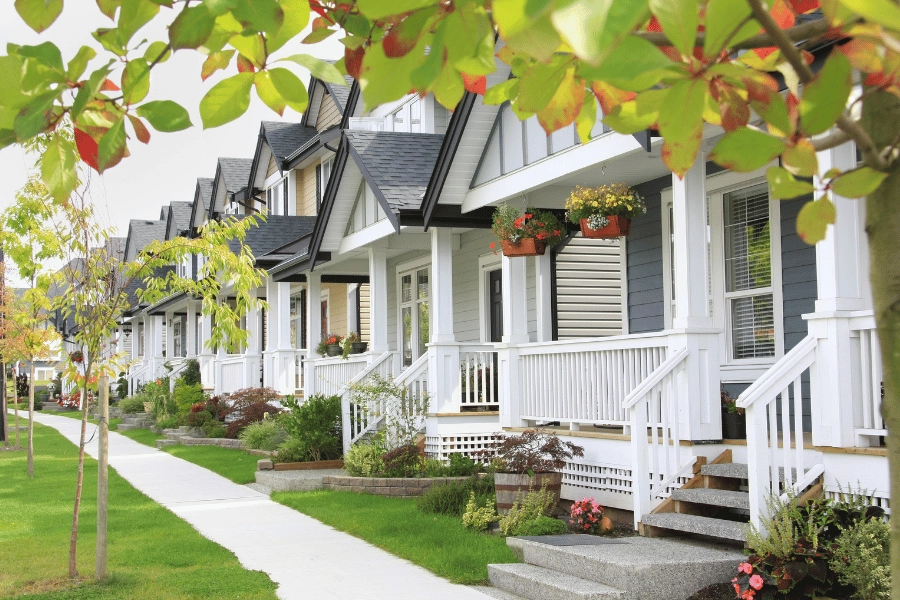
![15 Best Neighborhoods to Know BEFORE Moving to Apex, NC [2026]](https://raleighrealty.com/rr-images/uploads/blogs/1744406743892-807977027-Best Neighborhoods in Apex, NC.png)
![11 Best Neighborhoods in Cary, NC [2026 Guide]](https://raleighrealty.com/rr-images/uploads/blogs/1743022247326-325438967-Beautiful Residential Home with Brick - Neighborhoods in Cary.png)
![10 Things to Know BEFORE Moving to Cary, NC [2026 Guide]](https://raleighrealty.com/rr-images/uploads/blogs/1742507582381-855732085-Downtown Cary Park Fountain (1).png)
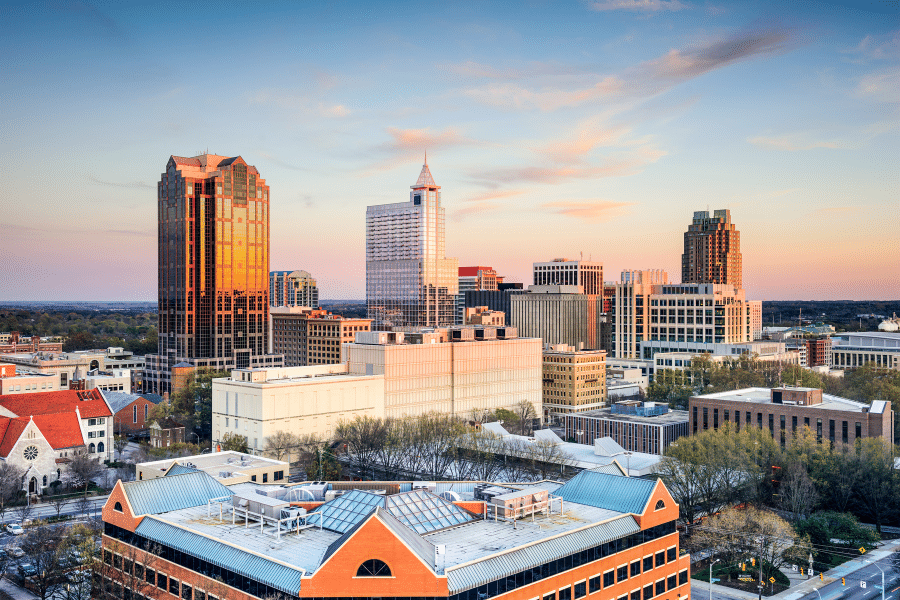


.png)

![Guide to North Carolina's Annual Chinese Lantern Festival [2025]](https://raleighrealty.com/rr-images/uploads/blogs/1762994250233-107346122-NC-Chinese-Lantern-Festival.png)
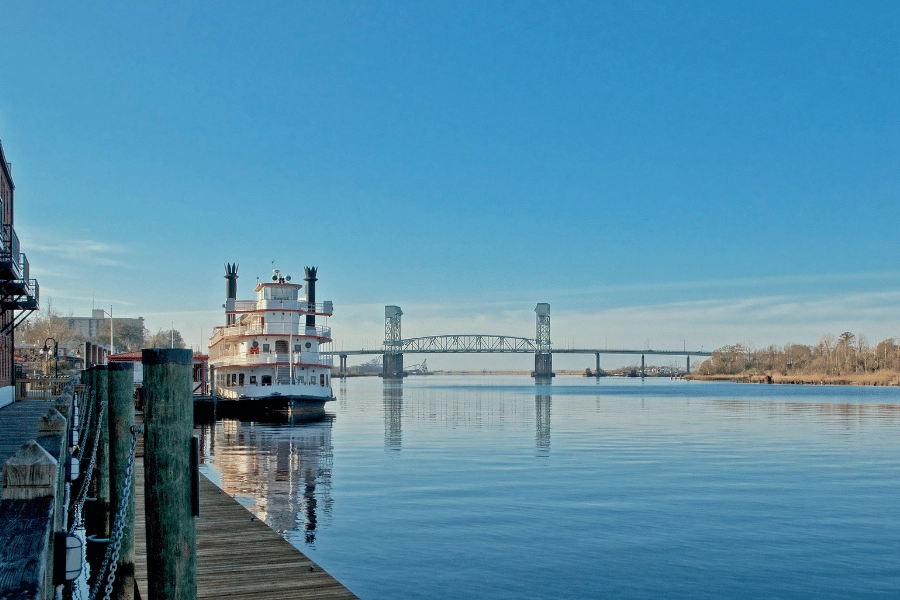


.png)