.png)
New - 5 Hours Ago





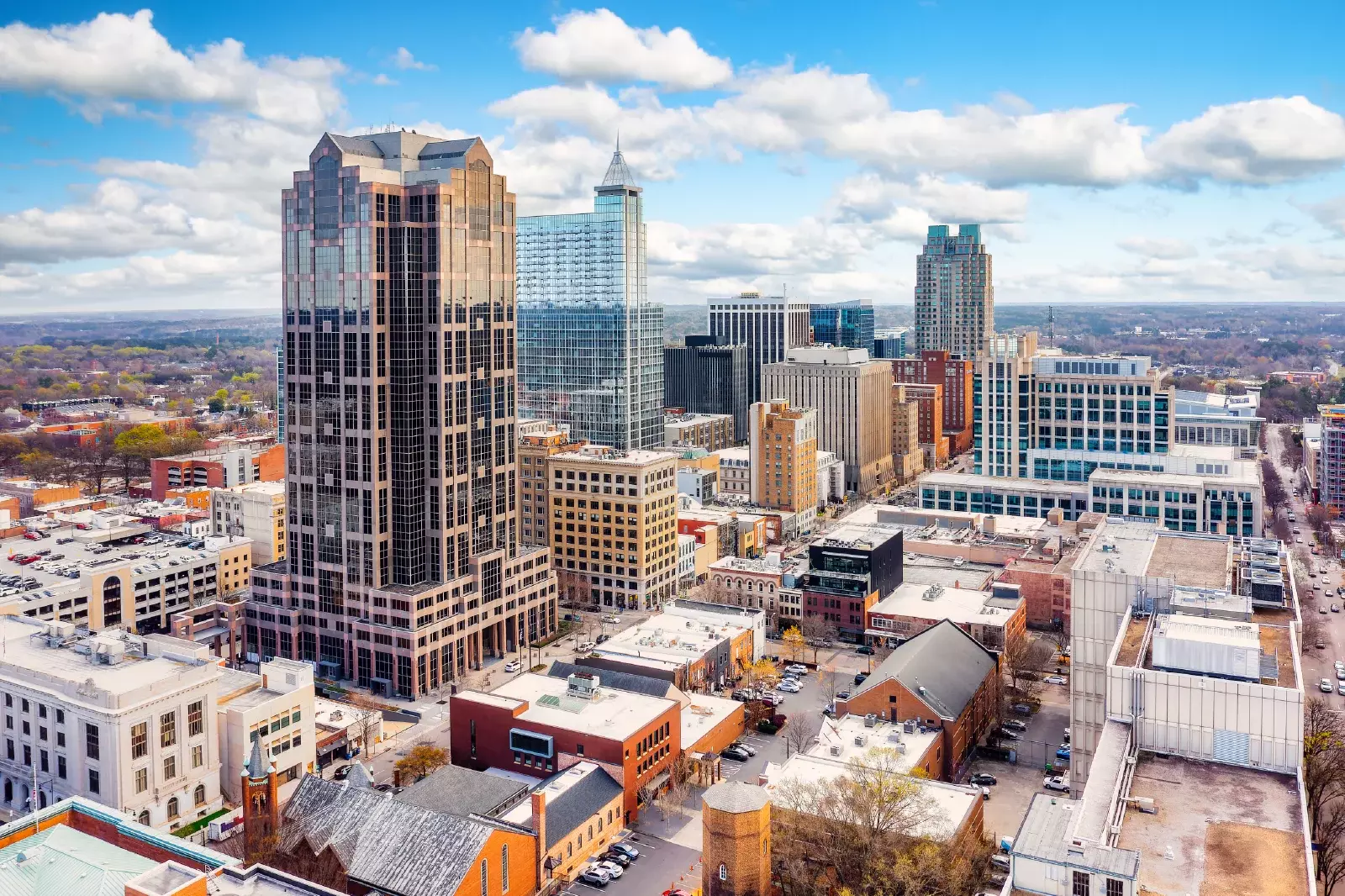
Are you a tech professional considering a move to Raleigh, NC? Here is everything you need to know about how the city's explosive tech growth is reshaping the housing market and what it means for your home search.
A tech hub is a city or region home to a high concentration of technology companies, investors, startups, and research institutions. The largest tech hubs in the United States are the San Francisco Bay Area, Seattle, and Austin, but today, a growing number of technology companies are opening up offices in Raleigh, North Carolina.
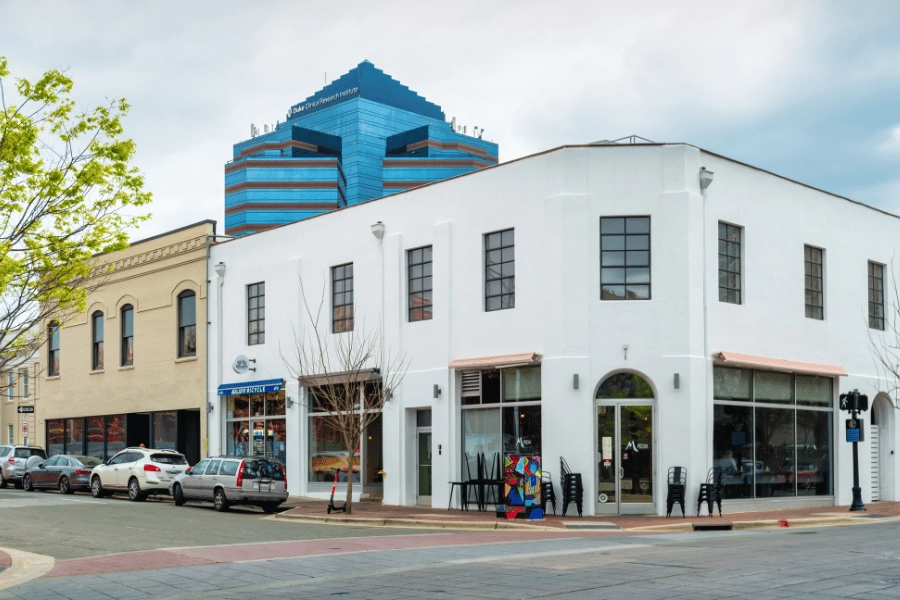
Anchored by the world-famous Research Triangle Park (RTP), a 7,000-acre research and technology campus and the largest of its kind in the United States, the greater Raleigh metro area has quietly transformed into one of the most dynamic technology destinations in the country.
As a premier center for software, biotech, and research driven by talent from nearby universities and major corporations like IBM, Cisco, Google, and Microsoft, many people are choosing to move to Raleigh specifically for work.
In 2026, technology is one of North Carolina's most powerful economic drivers. Research Triangle Park alone houses more than 385 companies that are contributing billions of dollars to the state's economy. According to the Carolina Journal, 55% of software engineers in Raleigh-Durham are employed in the tech industry.
Employing more than 60,000 residents in the technology sector, this wave of corporate investment and job creation is doing far more than filling office parks. This growth and technology boom is fundamentally reshaping Raleigh's housing market in ways that every homebuyer needs to understand.
Whether you have accepted a technology job in the Triangle and are now trying to figure out where to buy a home, or you are already a Raleigh resident trying to make sense of the current real estate market, this guide is for you.
One of the most noticeable effects of the tech boom in Raleigh is that median home prices have essentially doubled over the past decade. In 2016, the average sale price in Raleigh, NC, was $282,500. As of early 2026, that number has increased to about $424,925.
While the average price ultimately depends on the specific neighborhoods in Raleigh, this price growth is the direct result of the thousands of high-income tech workers relocating to the area. Neighborhoods closest to major tech campuses have led the appreciation.
The average tech salary in the Raleigh metro area now comfortably exceeds $151,000 per year, and many senior engineers and product managers earn considerably more. When workers in this income bracket compete for homes, median prices rise.
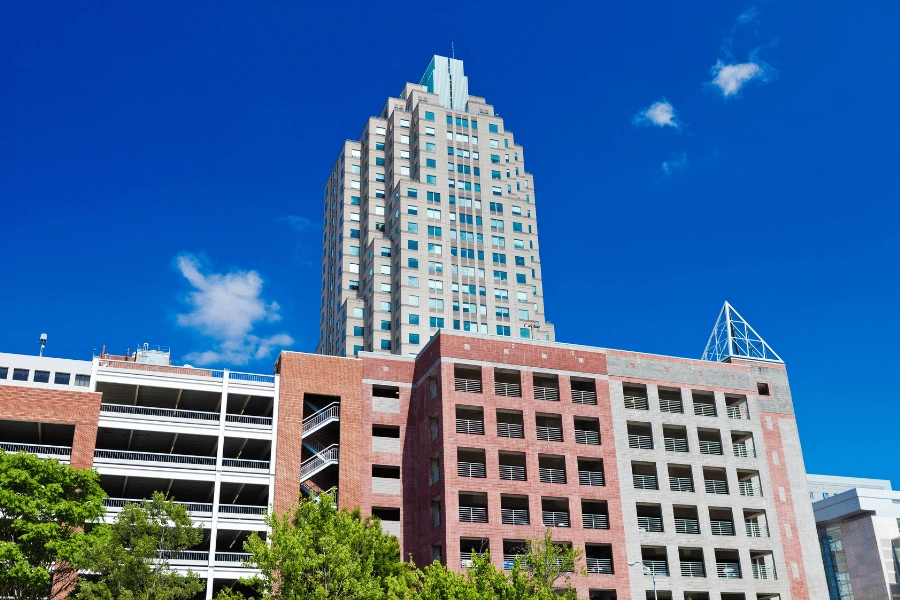
Housing inventory in Raleigh and the surrounding Wake County is very tight. This means that the supply of homes for sale cannot meet buyer demand, as there is a growing shortage of available homes.
While new housing developments are being created in Fuquay-Varina and other popular Raleigh suburbs, the shortage of available homes in Raleigh is particularly acute for affordable housing units, a significant problem for low-income residents.
As thousands of new tech workers and their families arrive in the Triangle every year, the pace of new construction simply cannot keep up. Builders are active in the suburbs, but permitting timelines, labor availability, and land costs are all constraints on the market.
For tech professionals relocating from high-cost cities, Raleigh's prices might be appealing, but these same buyers arrive with significant purchasing power, increasing competition for local buyers. Homes in desirable neighborhoods and school districts often receive multiple offers.
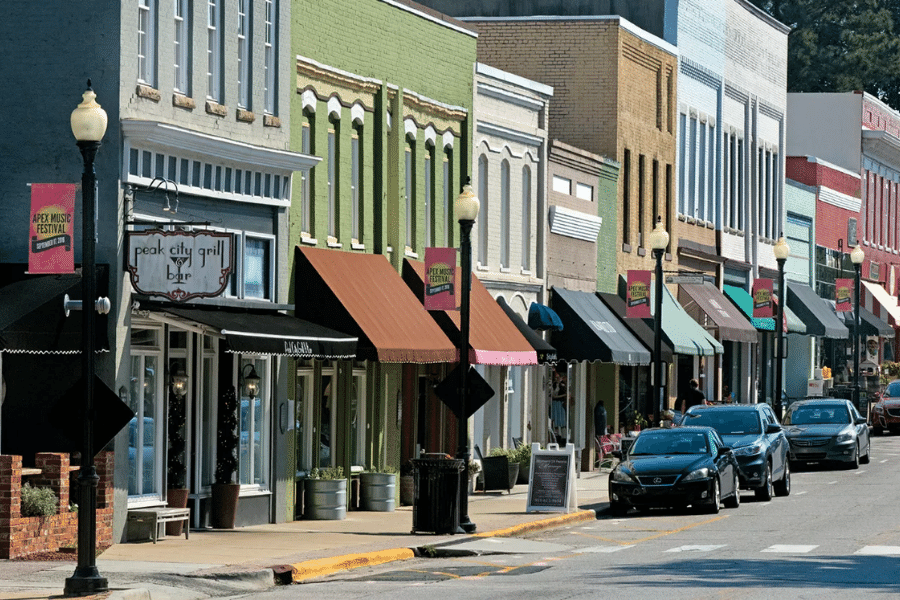
Research Triangle Park is located in both Wake and Durham counties. This makes suburbs such as Cary, Morrisville, and Apex, which are all within a 10 to 20 minute commute of RTP, desirable places to live among tech employees.
These communities offer excellent public schools, walkable mixed-use developments, low crime rates, and home styles ranging from starter townhomes to large single-family homes.
Cary is one of the most popular suburbs of Raleigh, family-oriented and widely considered one of the safest cities in the United States. Cary's median home price trends slightly higher than Raleigh's, which is a premium many buyers willingly pay for the schools and amenities.
Holly Springs, Apex, and Fuquay-Varina are other top-rated suburban tech corridors that are experiencing significant new construction and retail development. All three remain somewhat more affordable than Cary while still offering quality schools and community infrastructure.
What distinguishes Raleigh's tech economy from a temporary boom is the number of large companies that have planted roots here. Multiple major global corporations have made billion-dollar commitments to the Triangle area, driving significant population growth and raising home prices.
Companies such as Cisco, Red Hat, IBM, Epic Games, SAS, Microsoft, and Google have a presence in the Raleigh area, and the number of software, hardware, biotech, and AI companies is growing.
IBM has been a cornerstone of Research Triangle Park since 1965 and remains one of the area's largest employers, with thousands of workers focused on AI, cloud computing, and quantum technology at its RTP campus.
SAS Institute, headquartered in Cary, is one of the world's largest privately held software companies. Its campus operates almost like a small city with its own healthcare facilities, recreational amenities, and long-term employees who have bought homes and are raising families in the surrounding communities.
One of the best things about living in Raleigh is its affordable cost of living. With a cost of living 5% below the national average, the Triangle is a great option for buyers with high-tech salaries.
Tech workers relocating from higher-cost markets such as San Francisco or Seattle often arrive with financial advantages, including larger savings, equity from selling homes in pricier markets, or stock compensation, which they then use for substantial down payments.

The shift to remote and hybrid work that accelerated during the pandemic has had a lasting effect on the Triangle area and where tech workers are choosing to live. Communities that once seemed too far from the office now fall within an acceptable commute.
Remote and hybrid work is still very much a thing in Raleigh, particularly in the tech sector. Nearly 88% of employers offer hybrid work models, while 46% of companies have no in-office mandates.
This flexible work environment that Raleigh offers has pushed buyer activity into communities such as Wake Forest and Zebulon, which offer more space, acreage, and lower price points, at the expense of proximity to the office park.
One of the most notable features of Raleigh's tech economy is its location to three of the nation's top research universities, including NC State University, Duke University, and the University of North Carolina at Chapel Hill.
These three institutions fuel the Research Triangle and produce a continuous stream of engineering graduates, data scientists, biotech researchers, and computer scientists. Many graduates of these top-ranking universities remain in the Triangle, creating a pool of technically skilled workers.
This educated resident base directly sustains housing demand. As companies hire from the universities, workers settle in Raleigh, buy homes, and start families. These families then send their children to local schools, and the cycle starts all over again.
.png)
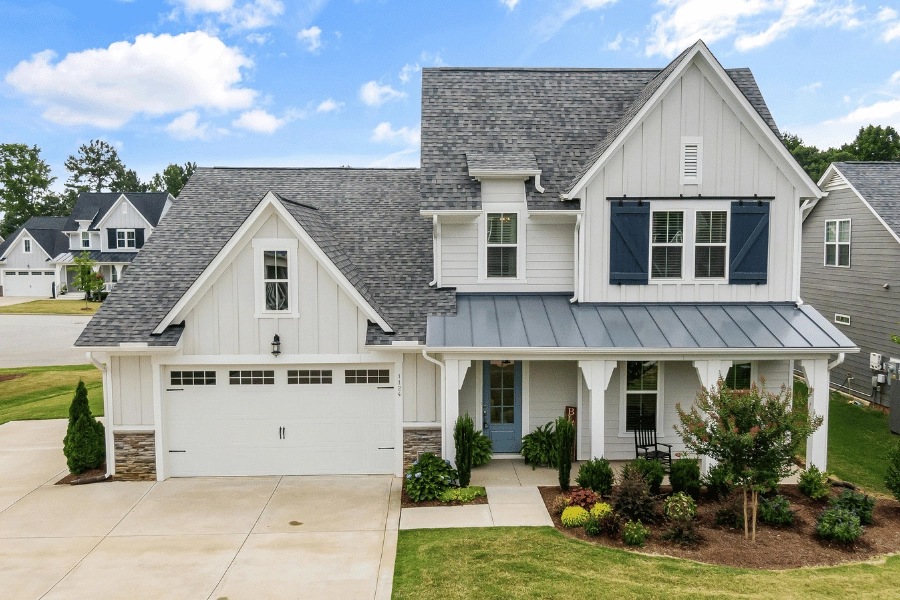
Raleigh is experiencing a massive construction surge to accommodate its tech boom and growing population. This new construction is happening particularly in the suburbs. Communities such as Wendell and Clayton have welcomed major master-planned developments that offer new homebuyers modern floor plans and sought-after amenities.
While demand for new construction is high, established neighborhoods in Raleigh, such as North Hills, Five Points, and Brier Creek, face setbacks in new construction due to limited lot availability and timelines.
Raleigh is one of the best places to start a business, and it has cultivated one of the fastest-growing startup ecosystems on the East Coast. This startup culture welcomes homebuyers who are quick to move, make competitive offers, and search for properties in walkable neighborhoods or homes in top school districts that will retain value.
Most startup workers are millennials and Gen Z professionals seeking a live-work-play environment in downtown or suburban areas that offers convenience and community. These individuals are often high earners who, in turn, contribute to the fast-paced housing market and rising prices.
The Raleigh housing market is expected to remain strong over the next few years, driven by tech-fueled population growth, high demand, and limited inventory. With a population of over 499,825, Raleigh is currently growing at an annual rate of 2.36%. The majority of this growth is concentrated in Wake County and the Triangle suburbs.
Data was sourced from The Carolina Journal, Raleigh News and Observer, ZipRecruiter, Payscale, Research Triangle, and the U.S. Census Bureau to determine how Raleigh's tech boom is changing the housing market.
Is Raleigh becoming a tech hub?
Yes, Raleigh is a tech hub in the southeastern United States that stands out for its steady job growth, healthcare, research, and access to higher education.
Why is Raleigh, NC, growing so fast?
Raleigh is growing rapidly due to its booming tech market, high quality of life, lower cost of living, mild climate, and top-tier universities.
For tech workers considering a move to Raleigh, the housing market is both an opportunity and a challenge. Home prices are higher than they were five or ten years ago, and competition for desirable homes has only increased, but compared to other tech hubs in the country, Raleigh offers many advantages in career growth and affordability.
At Raleigh Realty, we have helped hundreds of tech professionals, relocating families, and first-time buyers navigate the Triangle market. We know these neighborhoods and want to help you find a home that works for your career and long-term financial goals.
Are you ready to explore Raleigh's housing market? Contact Raleigh real estate agents to search for homes in person and start your journey to homeownership.
I own and operate Raleigh Realty, and I spend a lot of time helping people understand what life in Raleigh is actually like before they move here. This is my honest guide to living in Raleigh, NC, with the good parts, the annoying parts, and the details most relocation articles skip.Raleigh is the capital of North Carolina and one of the main anchors of the Research Triangle. The Raleigh-Cary met
Are you moving to Raleigh, NC, in search of a job? Here is what you need to know about Raleigh's economy and business opportunities. Offering a high quality of life and endless opportunities, Raleigh is an excellent city to relocate to for many reasons. It is a perfect place for families and young adults to live, featuring sought-after real estate, a thriving job market, and excellent education.W
Do you want to learn about the best neighborhoods for families in Raleigh, NC? Here are the top seven communities in Raleigh where you can raise a family. Raleigh has earned its reputation as one of America's best cities for families, and it's easy to see why. As the capital of North Carolina and anchor of the Research Triangle, Raleigh combines Southern charm with big-city opportunities, creatin
![10 Best Builders to Sell Your Home to in Raleigh, NC [2026]](https://raleighrealty.com/rr-images/uploads/blogs/1769718280128-96395581-Best-Home-Builders-to-Sell-Home-to-in-Raleigh,-NC.png)
Are you considering selling your Raleigh home to a builder? Consider these 10 trusted builders in Raleigh, NC. Selling your home in Raleigh, North Carolina, does not always mean listing it on the traditional real estate market. For homeowners looking for a faster process, especially those with older properties that need many updates and repairs, selling directly to a home builder can be an attrac