

.png)

New - 9 Hours Ago
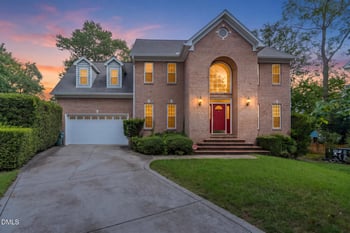
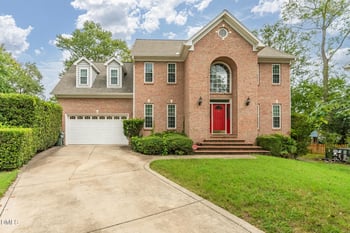



Are you wondering how builders price lots in Raleigh, NC? Here is what you need to know about how builders calculate teardown home values in Raleigh.
If you are a homeowner in Raleigh, you have likely noticed the increased growth and construction throughout the city and its many highly-rated neighborhoods. As one of the fastest-growing cities throughout the southeast, new construction homes can be found throughout Raleigh that command premium prices.
This building boom has introduced homeowners with older properties to the idea of selling directly to builders as-is, who see value not in your house, but the land beneath it. Understanding how builders evaluate and price teardown properties can mean the difference between leaving money on the table and maximizing your return.
Unlike traditional home sales, where condition, upgrades, and curb appeal drive value, teardown transactions operate by an entirely different set of rules. Builders consider location, construction costs, market absorption rates, and profit margins to determine what they can pay for your lot.
This guide breaks down the economics behind builder lot purchases, explores the specifics that influence teardown values, and provides insights to help you navigate this side of the real estate market if you are considering selling your Raleigh home.
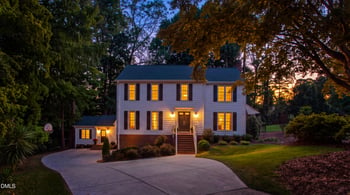
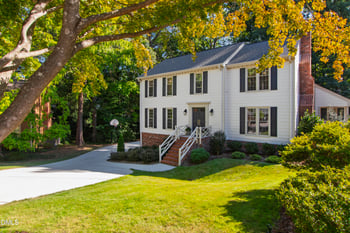
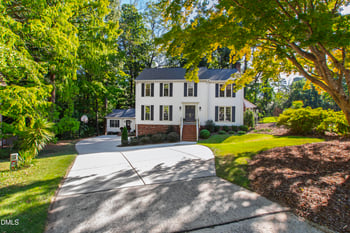
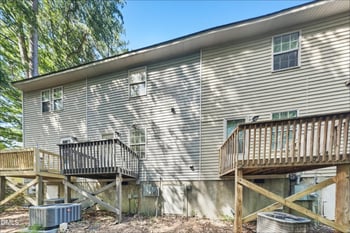
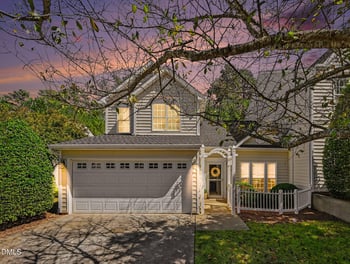
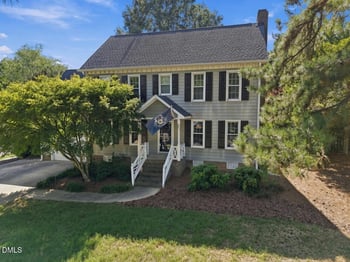
Teardown home value refers to the worth of your property based only on its land and development potential, rather than the existing structure. When builders evaluate your property as a teardown candidate, they ignore your home's condition, age, and features, focusing exclusively on what they can build on the lot after demolition.
A traditional home valuation considers square footage, upgrades, and comparable sales of similar homes. In this case, a teardown home's value is primarily determined by the market value of its land and location.
In many established Raleigh neighborhoods, this concept is intriguing to homesellers since the land has appreciated significantly while the homes sitting on those lots have aged and may no longer meet modern buyer expectations for size, layout, or amenities.
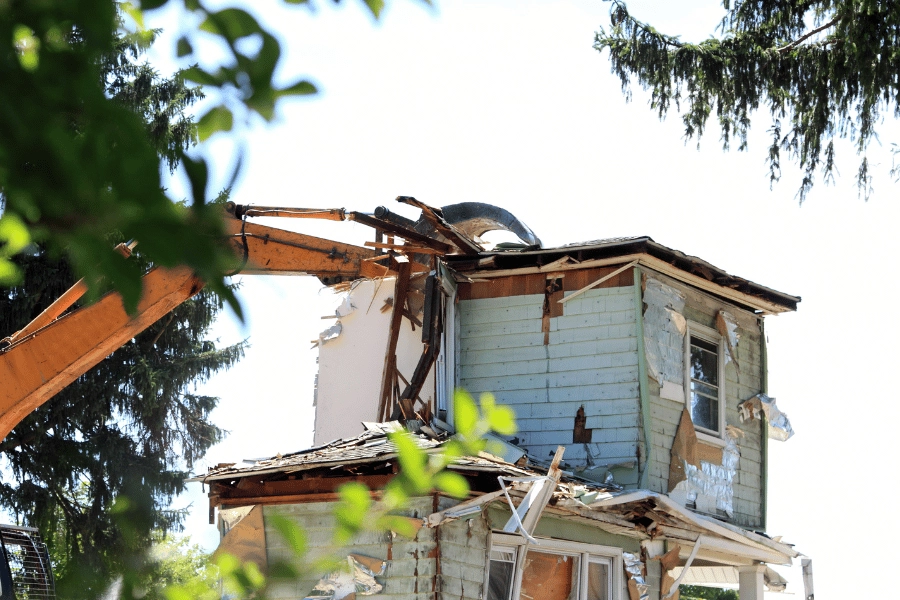
A builder can purchase your property, demolish the existing structure, and construct a new home that commands higher prices than what your current home could sell for in its present condition. The teardown value represents what builders can afford to pay while still making their project profitable.
The residual land value method determines the maximum price a builder can pay for land by subtracting total development costs from the expected gross development value. This method forms the foundation of every offer you will receive.
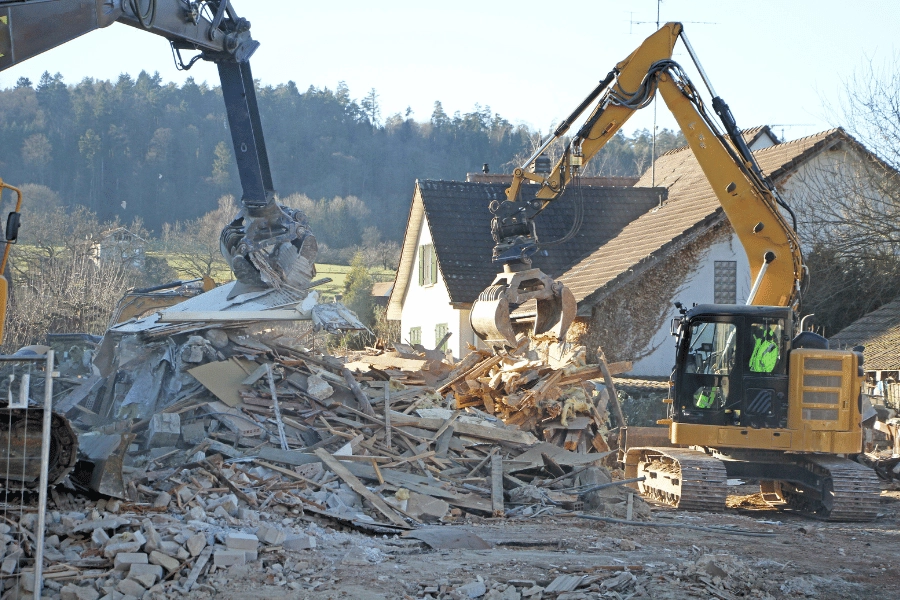
To do this, builders research and carefully analyze what similar new homes have recently sold for within a few blocks of your property. From this number, builders subtract demolition costs, construction costs, permitting expenses, insurance, marketing costs, and real estate commissions at the time of sale.
What remains after all deductions represents the maximum amount a builder can justify paying for your lot. In Raleigh's current market, new-construction homes in desirable neighborhoods can sell for anywhere from $500,000 to well over $1 million, meaning this residual value can be substantial.
Location is critical and remains one of the most influential factors in determining teardown value. Buyers are normally willing to pay top dollar for homes in sought-after locations. In Raleigh, neighborhoods such as Oakwood and Mordecai constantly attract premium offers due to their walkability, low crime rates, and general popularity.
Builders know that they can justify higher price points and generate faster sales in neighborhoods with lots of trees, sidewalks, proximity to restaurants and entertainment, and access to top-rated schools. These location advantages mean that builders are willing to pay more for lots.
Since Raleigh is located in the Research Triangle, it is a prime spot for teardown activity. Raleigh's top-rated suburbs and neighborhoods offering reasonable commutes to RTP, NC State, or downtown employment hubs are sought after by builders.
.png)
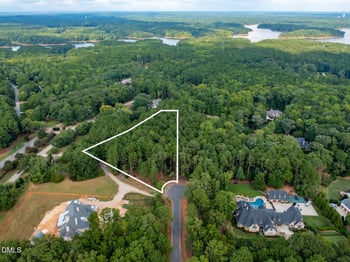
Beyond the neighborhood level, specific lot characteristics within desirable locations matter. Corner lots tend to be the most desirable due to enhanced curb appeal and greater natural light. Properties located near parks, greenways, or amenities see further increases in demand.
When it comes to lot size, larger lots obviously offer more flexibility and can support bigger homes. Builders tend to favor lots that allow for efficient home placement and provide enough space for functional front and back yards.
Lots with irregular shapes or odd angles can still attract buyer interest, but typically command lower prices because they require custom designs and may result in less efficient use of space.
Mature trees can be both an asset and a liability. While builders appreciate the character they provide, they must also consider the costs of required tree-preservation measures or removal permits. Properties with portions found in floodplains, wetlands, or stream buffers tend to see reduced interest due to limited buildable space and possible regulatory complications.
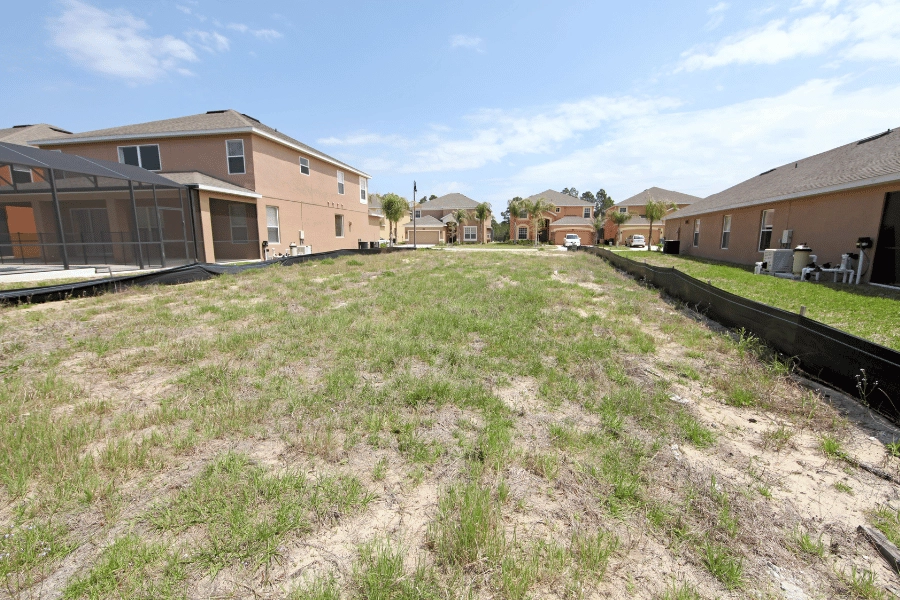
While location attracts builder attention, zoning regulations and development potential determine what builders can actually build and what they can afford to pay. Properties zoned for higher density or mixed-use development naturally command higher prices since builders can create more valuable end products.
Raleigh's missing middle housing initiative allows for townhomes, duplexes, and higher-density homes in former single-family zones to address housing shortages. If your property falls within an area where this applies, its teardown value could be higher.
Different residential zoning districts have varying setback requirements, height limits, and lot coverage maximums that dictate the size and footprint of what can be built. A lot zoned for more permissive development standards allows builders to construct larger homes, maximizing their revenue potential.
A builder's desire for teardown lots depends on local market conditions and interest rates. Raleigh's strong population growth and diversified economy have generally sustained steady builder demand even as national markets slow.
When inventory is low and sales remain high, builders actively seek lots that can increase competition among builders and result in more money for sellers. On the other hand, when new home sales slow and inventory remains high, builders are more selective and not willing to spend as much.
The spring and early summer months typically see the most builder activity as they aim to acquire lots, complete permitting processes, and begin construction in time to deliver finished homes during peak selling seasons. Sellers who bring properties to market during these active periods may generate more competitive interest than those listing during the winter.
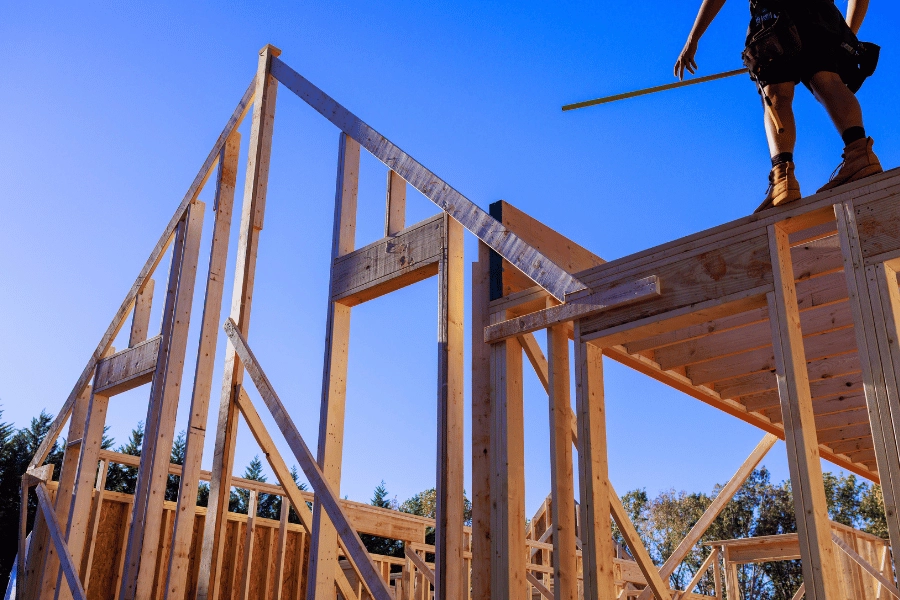
Construction costs vary depending on material prices, labor availability, and supply chain conditions. When lumber, concrete, or other building materials increase in price, builders must either accept lower margins or reduce what they can pay for lots.
The complexity and quality level of the planned home also significantly impact these cost calculations. Profit margin requirements vary among builders based on their business models and risk tolerance, but generally range from 15-25% of total project costs.
Builders developing simple entry-level homes can sometimes operate on tighter margins because their per-square-foot construction costs are lower. Luxury builders tend to face higher construction costs but can command premium sales prices, often allowing them to pay top dollar for lots in desirable locations.
Recent lot sales within a few blocks of your property provide the most relevant benchmarks for builders. Builders analyze lot size, zoning, location, and any special characteristics, such as corner placement or desirable views. If a similar lot sold six months ago for a certain price, this establishes a baseline expectation.
The frequency of lot sales in your neighborhood also matters, with more transaction data allowing builders to price more confidently and sometimes more aggressively. Sellers who take the time to research what new-construction homes are selling for in their neighborhood and which lots have sold will be better prepared to enter negotiations.
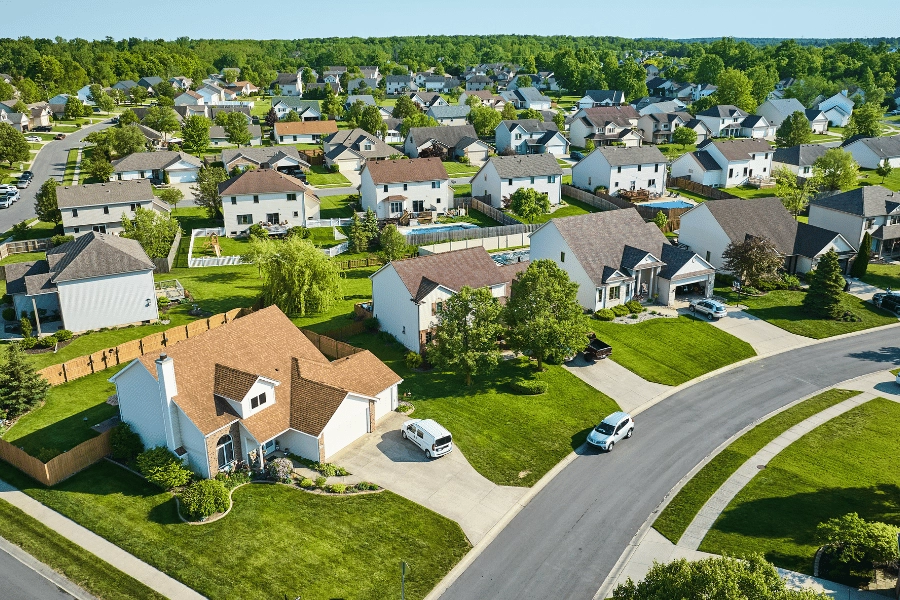
While builders purchase lots for development potential, strategic preparation can still influence the offers you receive and the speed of your transaction. As a seller, the best thing you can do is gather comprehensive property information so builders can assess teardown value quickly and confidently. This includes a current survey that shows exact lot dimensions, easements, and encroachments.
Securing a title report identifies any liens, restrictions, or title issues that might complicate the transaction, allowing you to address problems before they mess up any deals. It is also a good idea to confirm utility locations and any past septic systems, wells, underground storage tanks, or environmental concerns, so builders do not discover problems late in the process.
While property maintenance does not matter when selling to builders, removing obvious hazards or debris around the home shows that you are a serious seller. Being transparent about the presence of asbestos, lead paint, or other environmental concerns will build trust and lead to more accurate initial offers.
Navigating the builder-lot market requires expertise distinct from traditional real estate transactions, making professional representation particularly valuable. Agents experienced in teardown sales maintain relationships with active local builders and can accurately assess your property's value based on recent comparable sales.
Beyond transaction expertise, specialized agents provide realistic guidance about pricing expectations and market positioning. Successful agents can interpret builder offers in the context of current market conditions, help you understand which aspects of an offer are negotiable, and guide you through the closing process.
Data was sourced from the National Association of Realtors, CNBC, and the City of Raleigh to determine how builders are pricing lots in Raleigh, NC.
How to value a teardown house?
Teardown houses are often worth more for their land, so pricing should reflect location, lot size, and the potential for redevelopment.
Is it worth tearing down a house and building a new one?
It makes sense to teardown a house and build a new one if the cost is less than the cost to remodel. Selling to a builder for the lot value can save you a lot of money if your home needs extensive repairs.
Are builders slashing home prices?
As of late 2025 and early 2026, builders are cutting home prices to combat weak demand and high interest rates. Around 41% of builders have reduced prices by an average of 6% in hopes of enticing buyers.
Selling your Raleigh home as a teardown to a builder takes a lot of understanding and preparation. While the process may seem complex, recognizing how builders evaluate properties and price lots is essential to sellers wanting a successful sale.
For homeowners with inherited properties in desirable locations, the teardown market offers a unique opportunity to unlock value that traditional buyers might not recognize. With Raleigh's continued growth, strong employment, and neighborhood revitalization trends, demand for lots from builders is increasing.
If you live in Raleigh and are considering this option for your property, connecting with real estate professionals who specialize in builder lot sales is the best way to maximize your outcome. Contact our Raleigh real estate agents to get started and discuss your property's potential.
Are you interested in building a custom home Here are some essential questions to ask a custom home builder, as well as everything else you should know before doing so. When building a custom home, many questions must be considered. The most crucial decision is who to work with. There are many home builders, so its essential to find the one who meets all your needs and preferences. When you are co
Are you planning on building a home and need a reliable home builder? Here are seven helpful tips for choosing a home builder.When building a custom home, there are many things to be considered. The most crucial decision is which home builder to work with. There are many home builders to choose from, and it is vital to find the one who meets all your needs and preferences. Many potential homeowne
![How To Sell an Inherited Home in Raleigh, NC [2026 Guide]](https://raleighrealty.com/rr-images/uploads/blogs/1768947894285-754962438-Sell-Inherited-Home-Raleigh,-NC.png)
Are you selling an inherited home in Raleigh, NC? Here is what you need to know about selling a house in Raleigh after a death in the family. Losing a loved one is one of life's most difficult experiences. The last thing you want to deal with during this time is the stress of selling their home in Raleigh. Yet many families in Raleigh and Wake County find themselves in exactly this situation, inh

Are you considering selling your home as-is to a builder in Raleigh, NC? Discover how Wake County homeowners are selling their Raleigh homes fast without fixing a thing. If you are a homeowner in Raleigh or Wake County considering selling your property, you have likely assumed that a traditional listing with repairs, staging, and months of showings is your only option. But there is an increasingl