New - 30 Mins Ago




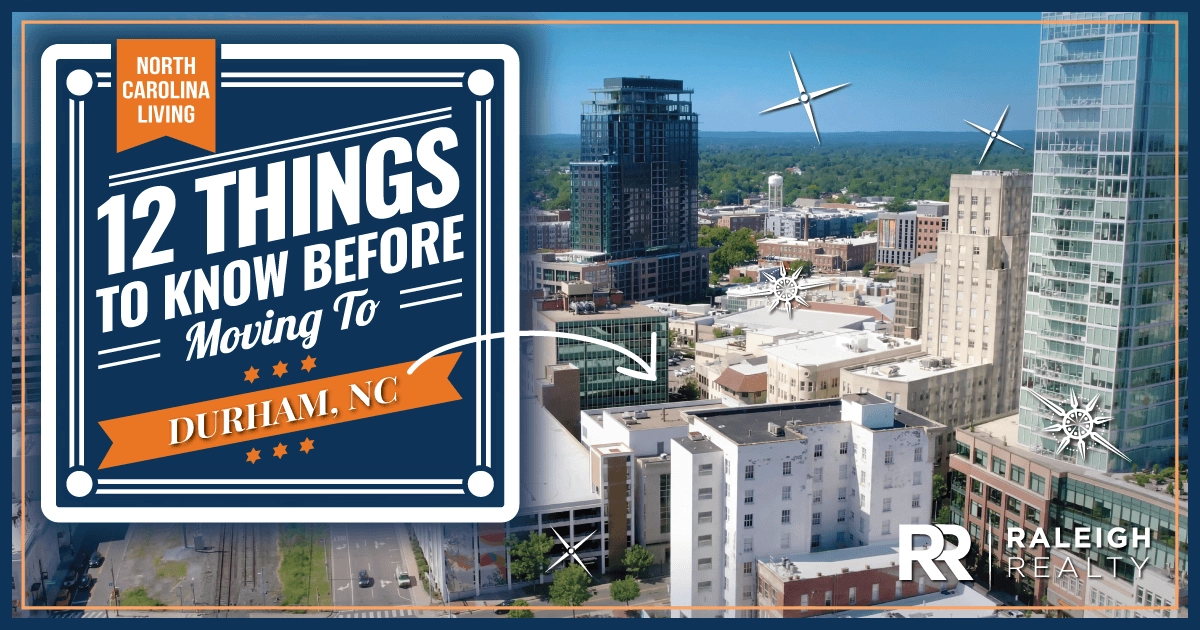
Moving to Durham, NC, gives you one of the most interesting lifestyles in the Triangle. It is not as polished as Raleigh, nor as campus-centered as Chapel Hill. Durham has its own story, and that is exactly why people keep asking about it.
I get more questions about Durham than almost any other city in the Triangle. People want to know if the food scene is really that good, if the job market is strong, what downtown is like, and whether the city still has some rough edges. The honest answer is yes to all of it.
Durham is a tobacco town, a university town, a medical hub, a tech and life sciences market, and one of the most creative cities in North Carolina. It is also a place where two neighborhoods five minutes apart can feel completely different.
This guide walks through what living in Durham actually looks like, from neighborhoods and schools to jobs, parks, food, commute times, and the local details buyers should verify before choosing a home.
If you would rather talk it through with one of our Durham real estate agents, call Raleigh Realty at 919-249-8536.
I made a video on Durham that covers these topics if you would rather watch than read.
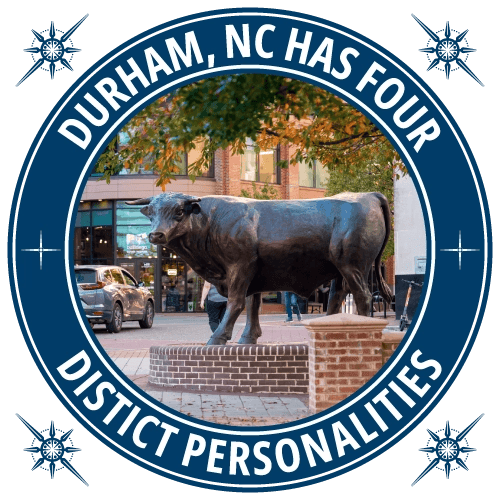 Durham wears a lot of hats, and each one tells you something about the city. That is why Durham can feel historic, gritty, creative, academic, and fast-growing all at once.
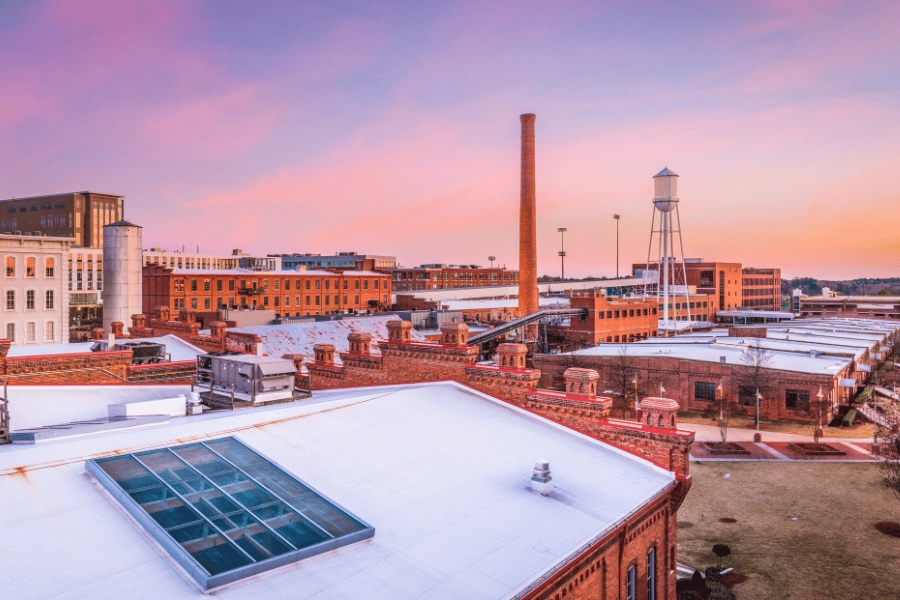
Bull City derives its name from Durham's tobacco history. The bull logo used by Genuine Durham smoking tobacco helped give the city one of its best-known nicknames, and the old tobacco warehouses are now part of Durham's downtown identity.
City of Medicine points to Duke, Duke Health, Durham's hospitals, and the surrounding medical research ecosystem. Duke University Medical Center is one of the anchors of the local economy.
Tastiest Town in the South is a title Durham earned from Southern Living, and the food scene still carries that reputation. The restaurant list keeps changing, but the city's appetite for independent food has not gone away.
The tech and life sciences side comes from Durham's location near Research Triangle Park, Duke, NCCU, UNC, NC State, and the surrounding innovation economy. RTP reports more than 55,000 people coming together there daily across hundreds of companies.
The important thing to understand is that Durham does not have a single, clear identity. That is part of the appeal. It feels layered in a way many newer suburbs do not.
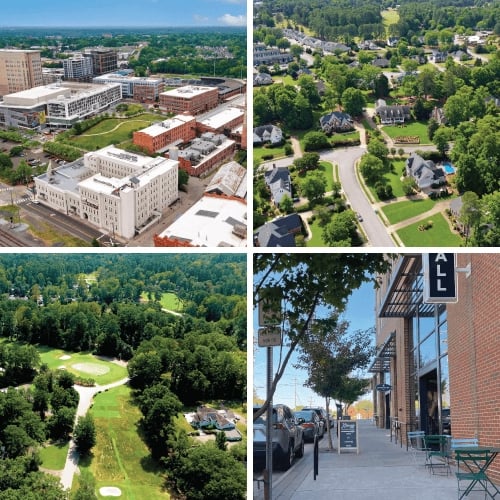 Durham is not one-size-fits-all. When buyers say they want to live in Durham, the next question is usually, "Which Durham?"
North Durham feels older, greener, and more spread out. You will find wooded lots, mature trees, and homes that can feel more rural than suburban. Buyers should pay close attention to wells, septic systems, road access, and distance to daily errands in this part of the city.
South Durham is more suburban and more connected to RTP, I-40, Chapel Hill, and Raleigh. The Streets at Southpoint is here, along with many grocery stores, restaurants, offices, apartments, and subdivisions. This area often works well for buyers who need regional access.
East Durham has seen significant change. Some areas offer newer construction and easier access to Brier Creek, RTP, and RDU, while other pockets are still transitioning. It is a part of town where street-by-street knowledge matters.
Central Durham and downtown are where the converted tobacco warehouses, restaurants, breweries, music venues, apartments, condos, and historic neighborhoods come together. If you want Durham's most urban daily lifestyle, this is where you will spend most of your time looking.
The same budget can buy very different homes depending on which part of Durham you choose. That is why commute, school assignment, utilities, parking, neighborhood feel, and resale should all be part of the conversation.
Durham has a story that no other Triangle city can copy. In the early 1900s, Parrish Street became known nationally as Black Wall Street because of the concentration of Black-owned businesses, financial institutions, and professional offices there.
Discover Durham highlights the legacy of Parrish Street and the entrepreneurs who helped shape the city. John Merrick, Dr. Aaron McDuffie Moore, and C.C. Spaulding are among the names tied to this history.
Merrick founded North Carolina Mutual Life Insurance Company in 1898. He also helped found M&F Bank in 1907, and M&F still operates today.
The Hayti community became another major center of Black cultural, business, and civic life. Hayti Heritage Center continues to preserve and celebrate that legacy through programs, events, and arts experiences.
North Carolina Central University is part of this larger story too. Founded in 1910 by Dr. James E. Shepard, NCCU remains one of Durham's most important institutions.
This history gives Durham depth. You feel it downtown, in Hayti, around NCCU, and in the way the city talks about growth, preservation, and opportunity.
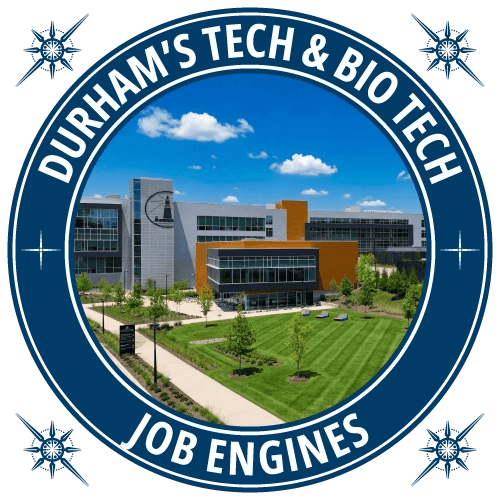 Duke is one of the biggest names in Durham, but it is not the whole job market. The city's economy also connects to healthcare, higher education, life sciences, technology, startups, government research, and professional services.
RTP is a major reason Durham is so appealing to so many relocating buyers. The park spans 7,000 acres across Durham and Wake counties and includes hundreds of companies, according to Research Triangle Park. That gives Durham residents access to a larger job market without necessarily having to live in Raleigh or Cary.
Durham County also sits in the middle of North Carolina's life sciences cluster. Durham County Economic Development notes that the Triangle is home to more than 500 life science companies.
For buyers, the practical point is simple. If your job changes or your household needs two different commutes to work, Durham offers multiple employment directions to consider.
Just be careful with the map. A home in North Durham and a home in South Durham may both say "Durham," but the daily drive to RTP can feel very different.
Durham's City of Medicine reputation is not just a slogan. Duke University, Duke Health, Duke Regional Hospital, the Durham VA, medical research, and specialty care all shape daily life and the local economy.
Duke University and Duke Health bring jobs, patients, students, research, and visitors into Durham every day. That presence affects traffic, housing demand, rental rates, restaurants, and the city's overall identity.
Specialty care is one of the reasons some people choose Durham. Duke Children's Hospital, Duke Cancer Institute, Duke Heart, Duke Eye Center, and other specialty programs provide residents with advanced care close to home.
There is a practical side too. Major medical systems can be busy, and hospital billing can be complicated. If healthcare access is a major reason for your move, confirm insurance coverage, appointment availability, and drive time from the specific neighborhood you are considering.
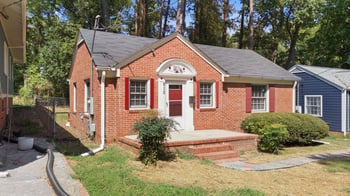
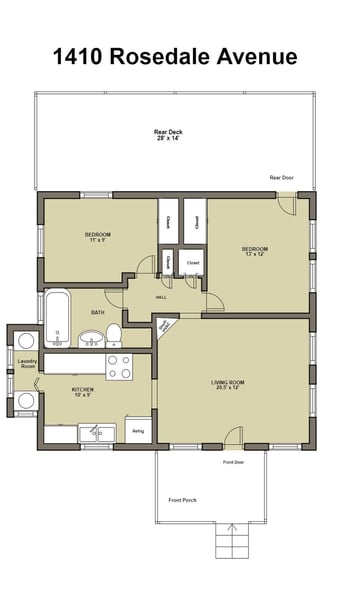
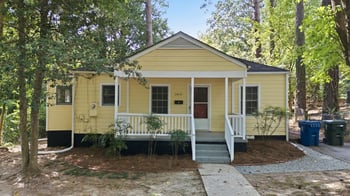
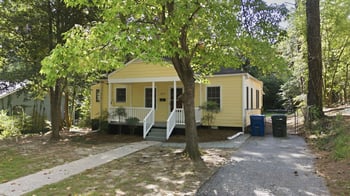
A few neighborhoods come up often on Durham relocation calls, but each one fits a different buyer. Durham rewards people who tour in person because the feel can change quickly from one street to the next.
Durham is not a city you can judge by a listing photo. Drive the route at different times of day, visit the specific block, and compare the block before making a decision.

 Education is a big part of many Durham moves, but it is also one of the areas where buyers need to slow down and verify details.
Durham Public Schools serves students across the city and county with traditional schools, magnet programs, application programs, and other options. DPS notes that magnet schools are governed by the DPS Board of Education and that Durham County residents within the designated geographic zone may apply.
That application piece matters. A school that looks appealing online may not be guaranteed by address, and magnet or application programs can involve timelines, eligibility, and commitments.
North Carolina School of Science and Mathematics is another Durham institution worth knowing. It is a public residential high school focused on science, math, and technology, with students applying from across North Carolina.
Durham also has private, charter, Montessori, and independent school options. The right fit depends on the student's needs, the home address, commute, availability, and the current application process.
Do not rely only on school-ranking sites. Use them as one input, then confirm current assignment and application rules directly with the district or school.
Durham has a food and arts scene that makes people want to stay after one weekend. It feels less corporate than many cities its size, and that is a big part of the draw.
DPAC brings Broadway tours, concerts, comedy, and major performances downtown. Carolina Theatre is the older, more intimate venue for films, concerts, and festivals. Duke's Nasher Museum of Art and downtown's 21c Museum Hotel add more visual arts options.
American Tobacco Campus is one of Durham's best examples of historic reuse, and many visitors start there. The larger food scene stretches across downtown, Ninth Street, Brightleaf, Lakewood, and South Durham. Durham Food Hall, Boricua Soul, Dame's Chicken and Waffles, NanaSteak, and newer independent spots all add to the mix.
Sarah P. Duke Gardens is one of the prettiest places in the city. Duke Lemur Center is a Durham original. The Museum of Life and Science is one of the strongest local attractions, especially for interactive exhibits and outdoor learning.
Brightleaf Square, Ninth Street, downtown Durham, and Southpoint each serve a different purpose. Downtown is better for restaurants and nightlife. Ninth Street has a classic Duke-adjacent feel. Southpoint handles the bigger mall-style shopping trips.
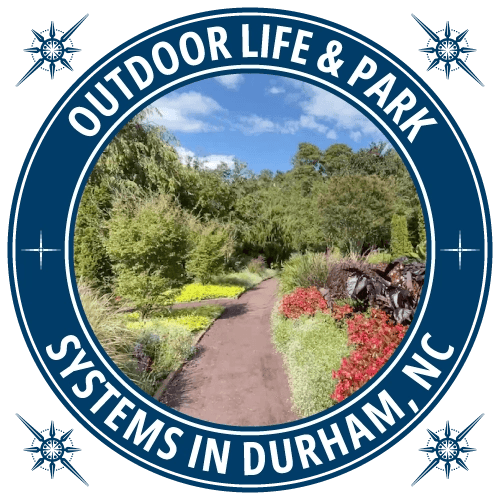 Durham has strong outdoor access for a city this size. Some of it is in the city, and some is a short drive away.
Eno River State Park is the local favorite for hiking, fishing, picnics, and shaded river trails. Falls Lake State Recreation Area adds boating, swimming areas, camping, and more water access east of Durham.
The American Tobacco Trail is one of the best practical outdoor amenities in the region. It runs from Durham south toward Cary and Apex and is used for walking, running, biking, and commuting.
Durham Central Park anchors part of the downtown weekend scene. The Durham Farmers Market operates there and is a staple for produce, flowers, baked goods, and local vendors.
The takeaway is that Durham is not just restaurants and Duke. If you like trails, gardens, parks, and weekend markets, you will have plenty to work with.
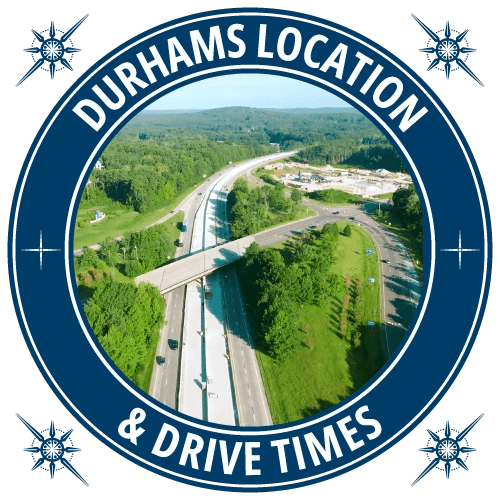 Durham is well situated within the Triangle. It gives residents access to Raleigh, Chapel Hill, RTP, RDU, Cary, and the rest of central North Carolina without feeling like a suburb of any one place.
Common drive times from Durham, outside the worst traffic, look roughly like this:
I-40, I-85, NC 147, US 15-501, and the Durham Freeway shape many daily commutes. A small difference in neighborhood location can make a big difference in drive time.
If commuting is important, test the route during your real commute window. Durham traffic is usually manageable compared with larger metros, but the wrong route can still get old quickly.
Every city has a few details that do not show up clearly in a listing. Durham has several.
None of these are reasons to avoid Durham. They are reasons to look closely. Durham is a great city when the neighborhood, home, commute, and expectations line up.
Durham is not trying to be Raleigh or Chapel Hill. It is its own city, with a tobacco-and-tech transformation story, deep Black history, a major medical presence, a strong food scene, and neighborhoods that deserve close attention.
People who do well here usually like substance over polish. They want local restaurants, history, access to jobs, creative energy, and a city that still feels like it has a point of view.
If you are thinking about moving to Durham, contact Raleigh Realty or call 919-249-8536. We can help you compare neighborhoods, understand the trade-offs, and find the right home for the way you actually want to live.
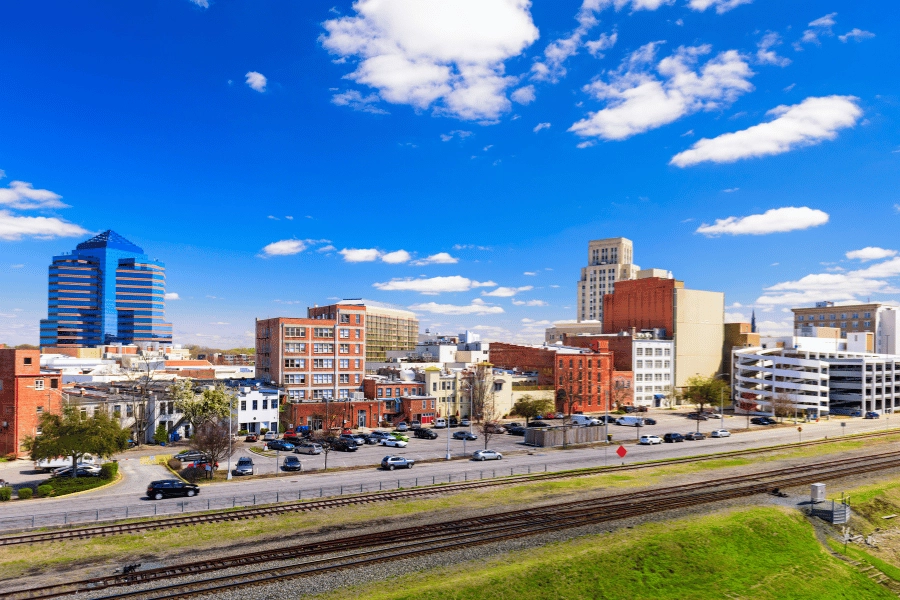
Are you searching for the best neighborhoods in Durham, NC? Check out these 15 great places to live in Durham! Durham is the fourth most populated city in North Carolina and is one of the best places to live in the state, which is no surprise to the many residents who call Durham home. If you are considering a move to Durham, read on to find out about Durham's best neighborhoods and beautiful rea
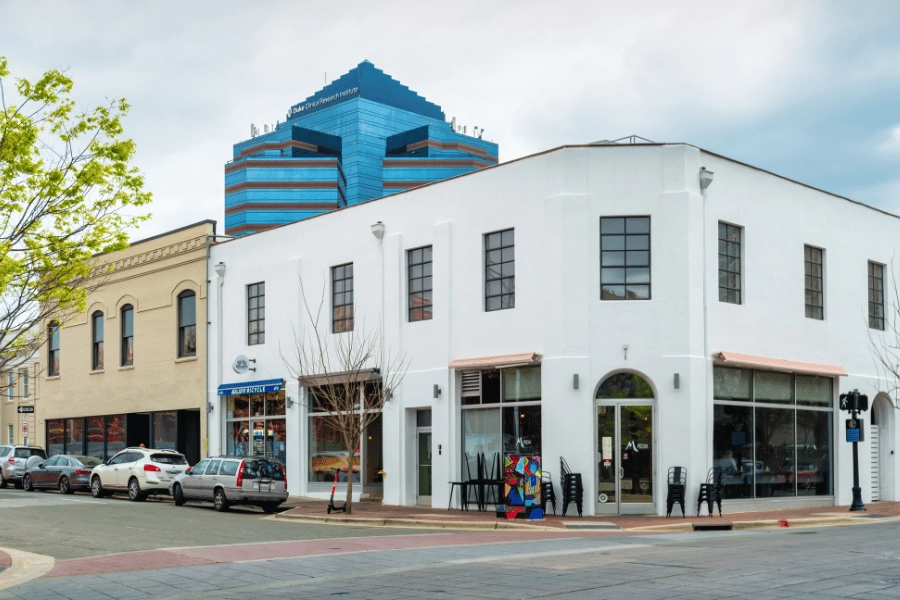
How much does it cost to live in Durham, NC? If you are moving to Durham, let's explore the cost of living, the average household income, and typical expenses. Durham, North Carolina, has emerged as one of the Triangle's most desirable places to live. It offers a unique blend of Southern charm, cutting-edge research institutions, and a vibrant cultural scene.With a population of 296,186, Durham
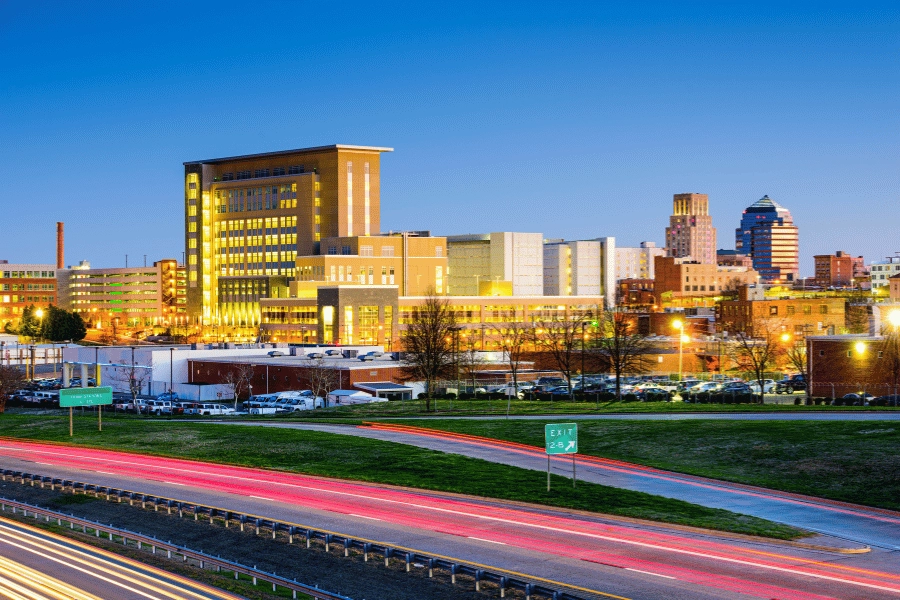
Is Durham, NC, a safe place to live? Let's dive into Durham's crime statistics, the safest areas to live in Durham, and the top safety tips for Durham residents. Moving to a new city involves many considerations, and safety is naturally at the top of most people's lists. If you're considering Durham, North Carolina, as your new home, it's essential to have accurate, up-to-date information about t
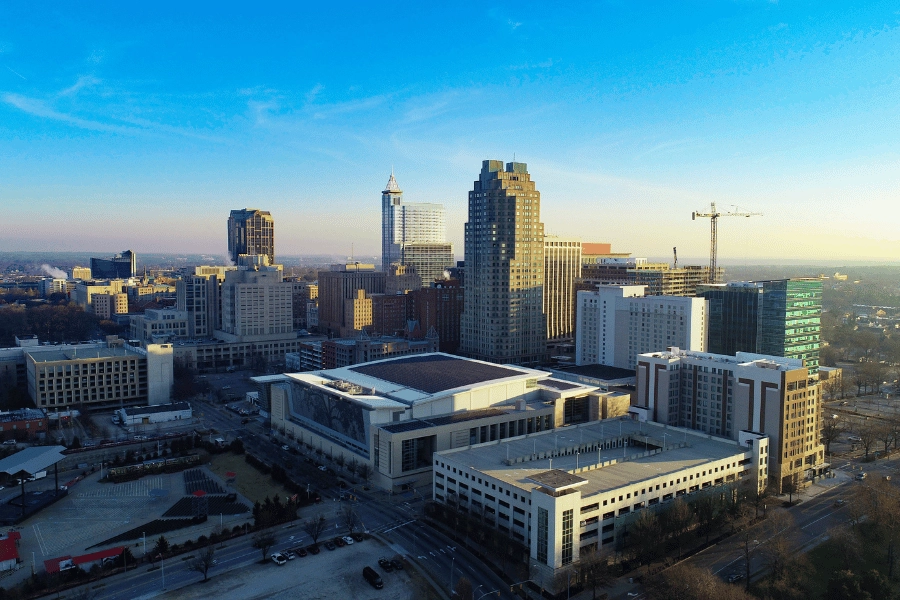
What are some differences between living in Raleigh vs living in Durham, NC? If you are considering a move, here is everything you need to know about Raleigh and Durham. The Research Triangle area of North Carolina attracts thousands of new residents each year, drawn by world-class universities, thriving job markets, and an exceptional quality of life. However, when choosing between Raleigh and D