New - Just Now
$719,900
Coming Soon
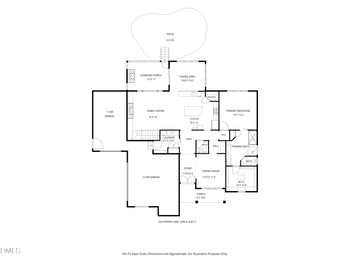
5
Beds
3
Baths
3263
Sqft
0.37
Acres
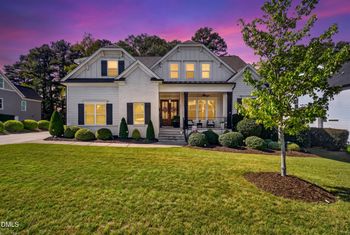
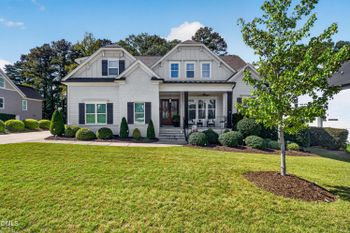
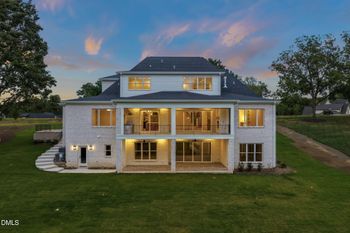
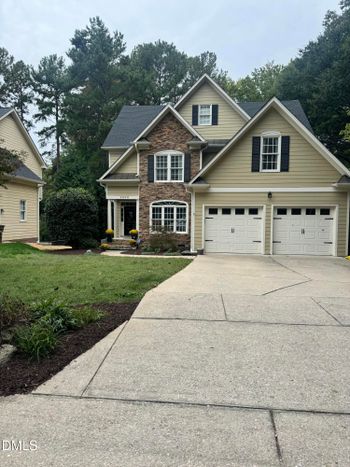
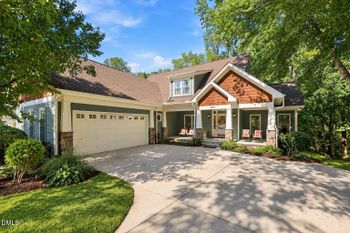
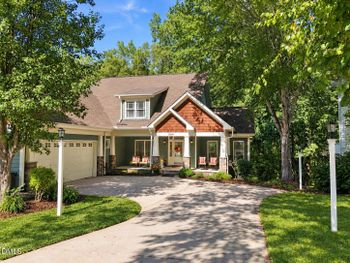
904 Hidden Jewel Ln, Wake Forest, NC 27587
MLS#: 10198165



Moving to Wake Forest, NC, gives you a growing Triangle town with newer homes, a historic downtown, strong outdoor access, and a location that still keeps Raleigh within reach.
Wake Forest has changed a lot. The town had 30,117 residents in the 2010 Census and 47,601 in the 2020 Census, and the Town of Wake Forest now publishes its own population estimates because growth has accelerated.
That growth tells you something important. Wake Forest used to feel like a small town north of Raleigh. Today, it is a destination in its own right, with buyers comparing it to Raleigh, Cary, Apex, and other popular Triangle suburbs.
The appeal is easy to understand. You can find newer homes, more room, access to Falls Lake, a real downtown, and daily conveniences without being in the middle of Raleigh. The trade-off is that growth brings traffic, school assignment questions, and more construction than some buyers expect.
I made a video on Wake Forest, NC, for those who prefer video over reading.
Before you start touring homes here, you will want the honest picture. This guide covers what buyers should know about Wake Forest before making the move. Call our team at 919-249-8536 if you want help comparing neighborhoods.
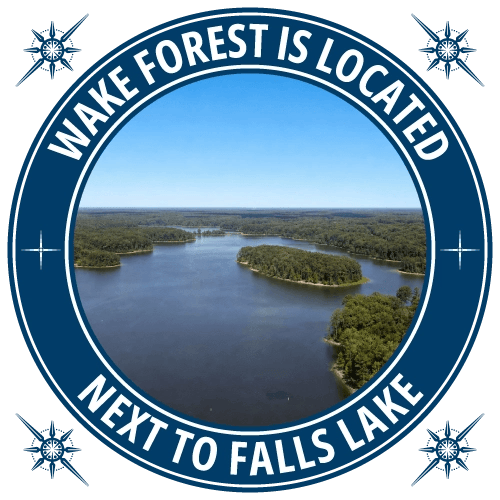 Wake Forest sits near Falls Lake State Recreation Area, giving the town access to outdoor recreation that most Triangle suburbs lack.
Falls Lake offers boat ramps, swim areas, camping, fishing, picnic areas, and trail access. You do not have to drive an hour to feel like you left the suburbs. For many Wake Forest addresses, lake access points are close enough for a regular weekend routine.
That matters for buyers comparing Wake Forest with more landlocked suburbs. Cary, Apex, and Holly Springs have excellent amenities, but Wake Forest has a large state recreation area on its doorstep.
The practical note is that "near Falls Lake" can mean different things depending on the address. Some neighborhoods offer quick access to trails or boat launches. Others are still a drive away. If lake access matters to you, map the exact route before you buy.
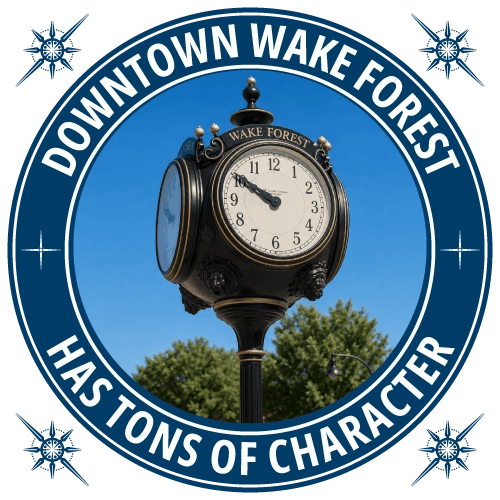 Downtown Wake Forest is small, but it has more character than many fast-growing suburbs. South White Street is the main strip, providing the town with a walkable center that newer communities often lack.
White Street Brewing Company is one of the local anchors. You will also find coffee shops, restaurants, boutiques, bookstores, and events that bring people downtown throughout the year.
Friday Night on White is one of the best-known events. The town says the free concert series runs on the second Friday of each month from April through September, with music from 6 to 9 p.m. in downtown Wake Forest.
Wake Forest has also launched a downtown social district that allows alcoholic drinks from participating businesses within the district on approved days and hours.
South of downtown, The Factory adds restaurants, shops, services, and indoor recreation, including Polar Ice Wake Forest. Norse Brewing Company and Lonerider's Wake Forest Hideout add more food and drink options outside the historic core.
The downtown is not huge. That is part of the charm. It is more of a local gathering spot than a big entertainment district.
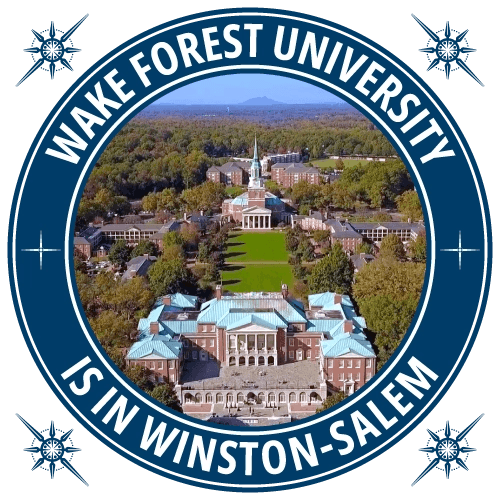 This confuses newcomers all the time. Wake Forest University is in Winston-Salem, not Wake Forest.
The university's history does start here. According to Wake Forest University, the school dates back to 1834, when Wake Forest Manual Labor Institute was founded in Wake Forest, North Carolina. The new Winston-Salem campus opened in 1956.
The old campus is now home to Southeastern Baptist Theological Seminary. That campus still gives downtown Wake Forest much of its historic red-brick character.
For buyers, the main takeaway is not the trivia. It is the feel. The seminary campus helps preserve a piece of the town's older identity, and it keeps downtown from feeling like it was built yesterday.
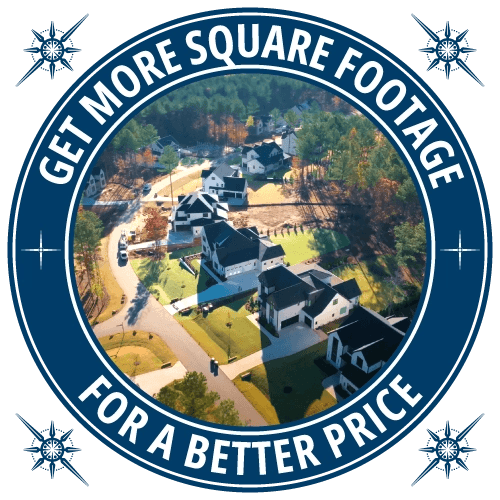 Many buyers look at Wake Forest because the same budget can often buy more space than it would in central Raleigh, inside-the-beltline neighborhoods, or parts of Cary.
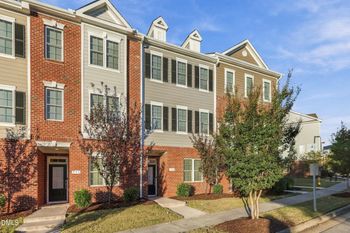
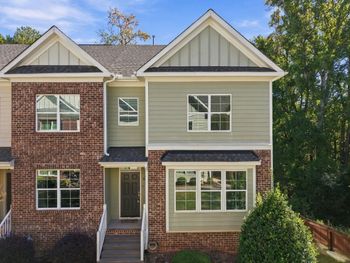
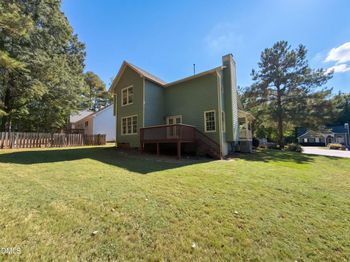
That does not mean Wake Forest is cheap. It means the housing mix is different. You are more likely to find newer construction, larger homes, planned subdivisions, and properties on the edge of town where land is still available.
Common buyer advantages include:
The trade-off is location. A home that looks like a better value on paper may come with a longer commute, a different school assignment, or fewer walkable errands than a smaller home closer to Raleigh.
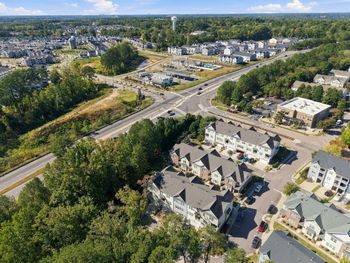
Wake Forest covers more ground than many buyers expect, and the town touches on different county and school assignment considerations. When comparing the best neighborhoods in Wake Forest, look beyond the subdivision name.
Heritage is one of the most requested communities. It is a large master-planned area with sidewalks, amenities, retail access, and a strong neighborhood identity. Buyers should verify current school assignment and enrollment rules before assuming a specific school.
Wakefield sits south of Wake Forest near Highway 98 and Falls of Neuse Road. Some addresses use a Raleigh mailing address, but many buyers compare the area with Wake Forest because of location and lifestyle.
Downtown Wake Forest and the historic areas appeal to buyers who want older homes, smaller lots, character, and walkability. These homes can be charming, but the quality of the inspection matters because age, renovations, and maintenance history vary.
The northern and Granville County edge can offer more land and a quieter setting. Some buyers look here for acreage or larger lots, including land in Wake Forest and nearby areas. The trade-off is that school districts, utilities, tax rates, and commute times may change.
New construction areas continue to shape the town's outer edges. Newer homes are appealing, but buyers should review builder reputation, HOA rules, future phases, road plans, and what will be built nearby.


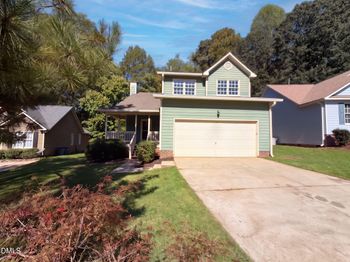
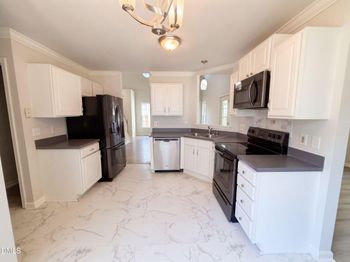
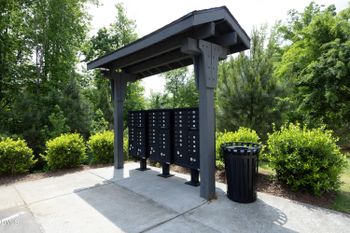
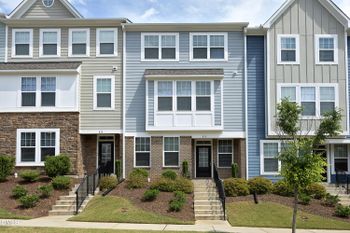
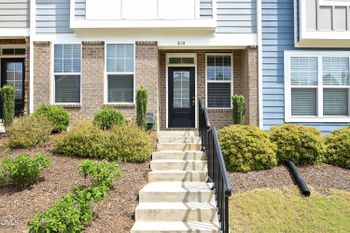
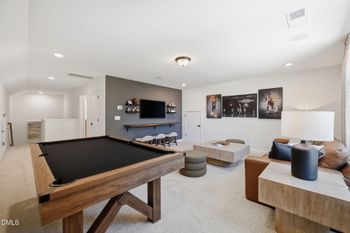
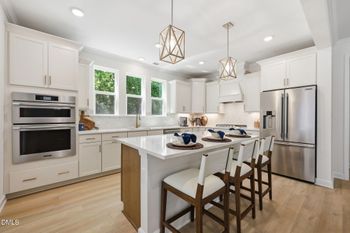
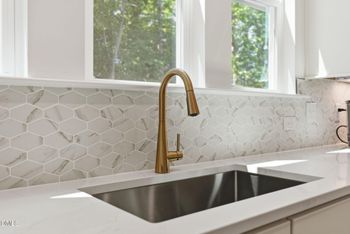
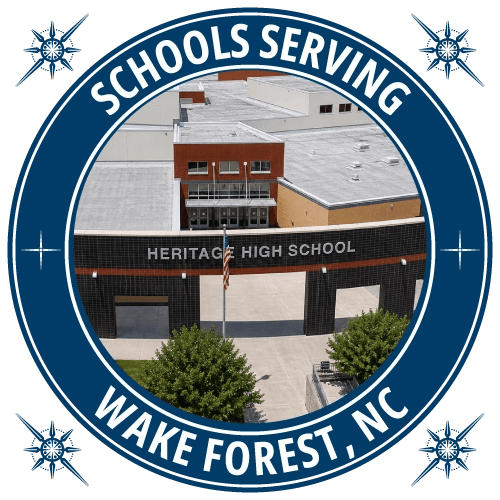 Most Wake Forest addresses are served by Wake County Public School System, but school assignment is based on the address, not the neighborhood name.
Use the WCPSS address lookup tool before relying on any specific school. This is especially important in fast-growing areas where assignment, caps, overflow rules, and calendar options can matter.
Wake Forest-area students may be assigned to schools such as Heritage Elementary, Wake Forest Elementary, Jones Dairy Elementary, North Forest Pines Elementary, Heritage Middle, Wake Forest Middle, Heritage High, Wake Forest High, or other WCPSS schools depending on the address.
Some schools can be subject to enrollment caps. WCPSS publishes a current enrollment caps page, so buyers should check the district's latest information rather than rely on outdated assumptions.
Wake Forest also has charter and private school options, including Franklin Academy. Charter schools have their own application processes, timelines, and availability.
On the northern edge, some addresses may fall under Granville County Public Schools instead of WCPSS. That can affect enrollment, commute, and resale considerations.
Wake Forest can work well for Triangle commuters, but it depends on where you work and where you shop. The town sits northeast of Raleigh, which is convenient for some routes but more challenging for others.
Typical off-peak drive times from central Wake Forest are roughly:
Rush hour can change the math quickly. Commuting to RTP is usually the hardest part of the day because it often involves traffic on Capital Boulevard, I-540, and I-40.
If your job is in North Raleigh, Wake Forest can be very practical. If your job is in RTP, Cary, or the west side of the Triangle, test the commute during the time you would actually drive it.
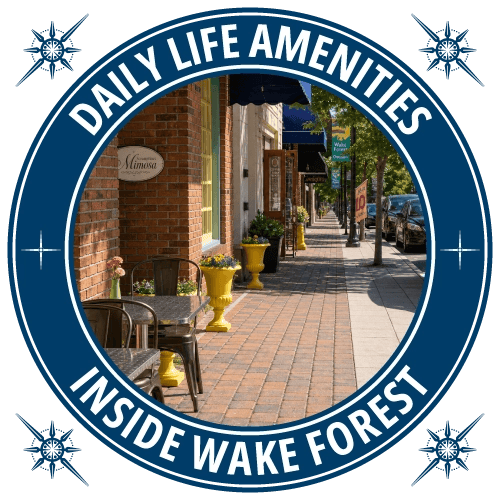 Wake Forest has added many conveniences over the years as it has grown. You no longer have to drive into Raleigh for most weekly errands.
Grocery options include Wegmans, Harris Teeter, Publix, Lowe's Foods, Food Lion, and Aldi, as well as other nearby stores. Retail and services have also expanded along Capital Boulevard, Rogers Road, South Main Street, and the areas near major subdivisions.
The town keeps a new businesses page that is useful for tracking what is actually coming to Wake Forest. I would be cautious about rumor-based retail claims until they appear in official announcements or permits.
For healthcare, WakeMed has a major presence in the region, and Wake Forest has medical offices, urgent care, dental offices, and specialty providers for routine needs. For more specialized care, many residents still use providers in Raleigh, Durham, or Chapel Hill.
The Wake Forest Community House is another local perk, with town recreation programming and facility access depending on schedule and availability.
Wake Forest has invested heavily in parks, trails, and recreation, and that shows in how people use the town.
E. Carroll Joyner Park is one of the local standouts. The town lists it as a 117-acre park with trails, open space, historic farm buildings, and outdoor programming.
J.B. Flaherty Park is another major facility. The town describes it as a 100-acre park with a community center, ball fields, playground, fitness court, ponds, pickleball courts, and tennis courts.
The Wake Forest greenway system continues to expand, connecting neighborhoods, parks, and trail corridors. For buyers, greenway access can be a real quality-of-life feature, but it varies by address.
If walking, biking, or access to parks matters to you, do not just ask whether a neighborhood "has trails." Check where the trail starts, where it goes, and whether it connects to anything you will actually use.
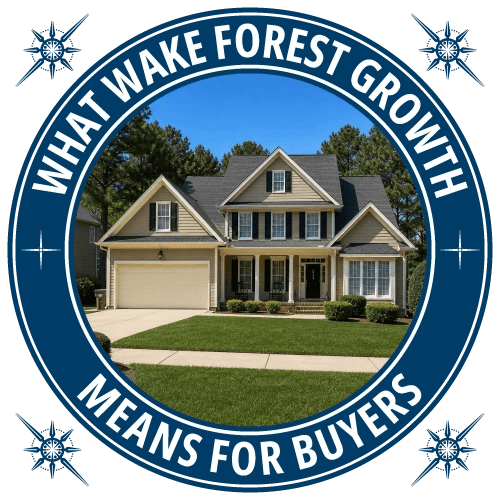 Wake Forest growth has two sides. On the positive side, growth brings restaurants, stores, parks, road projects, new homes, and more attention from employers and service providers.
On the frustrating side, growth brings traffic, construction, questions about school capacity, longer lines, and more change than longtime residents always want.
This is the main thing buyers need to understand. Wake Forest is no longer a sleepy small town, but it is not a fully built-out suburb either. It is in the middle of that transition.
That can be a great fit if you want newer homes, more amenities coming online, and a town that still has room to grow. It may be less ideal if you want everything settled, quiet, and fully built out.
Wake Forest is a strong option for many buyers, but the details matter. A home can look perfect online and still miss the mark if the commute, school assignment, utility setup, or nearby development plan does not fit your life.
Wake Forest is one of the most active buyer markets in the Triangle because it offers a mix hard to find elsewhere: newer homes, outdoor access, downtown character, and Raleigh-area convenience.
It is also a town in transition. That means buyers should look carefully at commute routes, school assignment, county lines, town limits, utilities, and future development before choosing a home.
If you are thinking about moving to Wake Forest, contact our Wake Forest Realtors or call 919-249-8536. We can help you compare neighborhoods, understand the trade-offs, and find the right home for the way you actually want to live.
![17 Best Neighborhoods in Raleigh, NC [2026 Guide]](https://images.agentloft.com/rr-images/uploads/rr-migrated/blogs/August2024/E0Cjyqy5pGsC61lv5bGG.jpg)
Are you looking for the best neighborhoods in Raleigh, NC? Here are 17 great neighborhoods to call home in Raleigh! Raleigh, North Carolina's vibrant capital city, has earned its reputation as one of the fastest-growing metropolitan areas in the United States. Known as the "City of Oaks" for its majestic tree-lined streets, Raleigh offers newcomers an exceptional quality of life that balances Sou
I own and operate Raleigh Realty, and I spend a lot of time helping people understand what life in Raleigh is actually like before they move here. This is my honest guide to living in Raleigh, NC, with the good parts, the annoying parts, and the details most relocation articles skip.Raleigh is the capital of North Carolina and one of the main anchors of the Research Triangle. The Raleigh-Cary met
.png)
Are you searching for the best neighborhoods in Wake Forest, NC? Here are seven great places to live in Wake Forest! Wake Forest is a town northeast of Raleigh that has experienced rapid growth over the past few years. One of the best parts of living in Wake Forest is the lively downtown area, which is filled with local shops, restaurants, breweries, and a small-town charm that will surely deligh
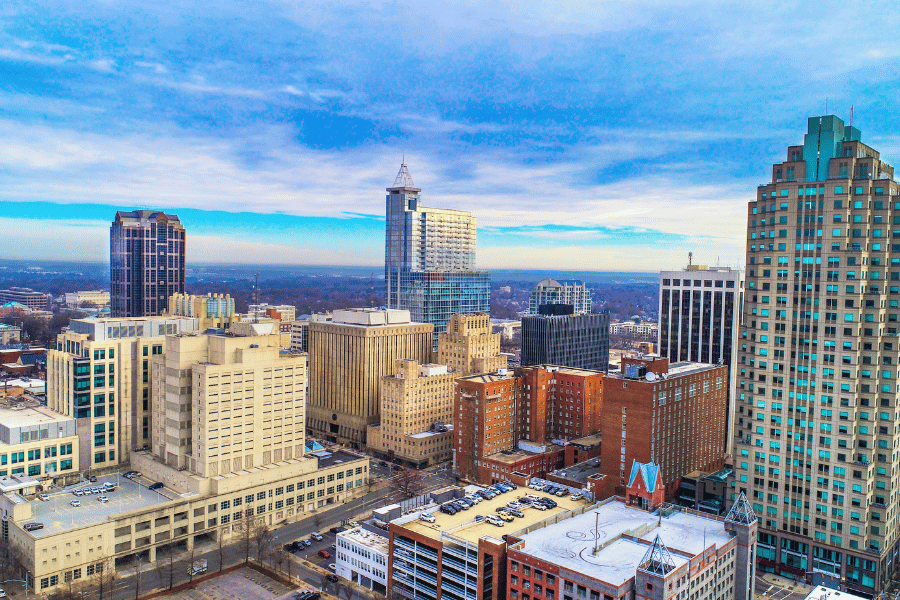
Is Raleigh, NC, a safe place to live? Here is what you need to know about Raleigh crime statistics, the safe neighborhoods in Raleigh, and how to stay safe in Raleigh. Raleigh is not only the capital of North Carolina but also a beautiful city known for its top-rated universities, historic attractions and museums, southern charm, numerous job opportunities, pleasant climate, and affordable housin